


Public Reaction to Reality TV Confrontation
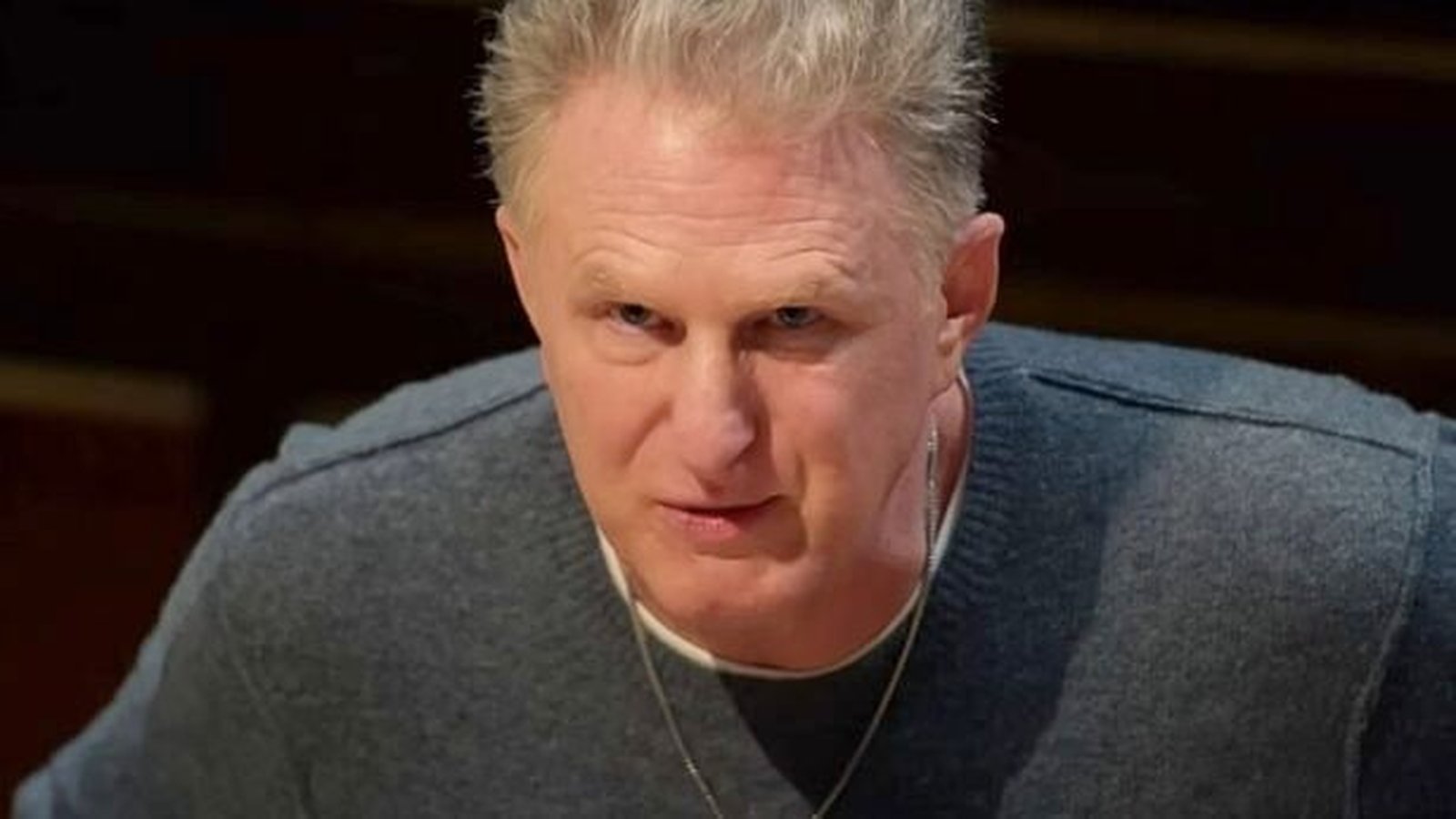
Actor and media personality Michael Rapaport has emerged as the favored party in a recent public dispute following his televised confrontation with reality star Colton Underwood on the fifth episode of The Traitors US. The exchange, which occurred during a high-stakes ‘Round Table’ segment, has ignited a polarized debate among international viewers, highlighting the varying perceptions of reality television figures.
During the episode, Rapaport challenged Underwood’s gameplay, stating, “Nobody in this room would be better at holding a secret than you.” Underwood, a former lead of The Bachelor, interpreted the comment as a personal attack related to his past, responding, “There it is. You think it was fun for 29 years of my life?” Rapaport dismissed the pivot, maintaining, “It’s nothing to do with that. I think you came into this game loving to be a Traitor.”
Analysis of Viewer Sentiment
The aftermath of the broadcast revealed a stark divide in viewer reception. According to analysis of social media platforms including Reddit and X, American audiences have largely sided with Rapaport. Many viewers argued that Underwood attempted to deflect from his gameplay by weaponizing his personal history, with several users labeling his reaction as an attempt to manipulate sympathy.
This support for Rapaport is deeply rooted in Underwood’s controversial history within the reality television ecosystem. Underwood, who gained fame in 2018, faced significant public scrutiny following his relationship with Cassie Randolph, which culminated in stalking allegations. These past events appear to have colored the current audience’s perspective, with many viewers expressing discomfort with his continued presence on mainstream television.
Conversely, reports suggest that international audiences—specifically those in the UK watching the episode for the first time—have shown a greater propensity to defend Underwood. This discrepancy underscores the influence of localized media narratives and the varying degrees to which different audiences are aware of a reality star’s off-screen controversies. Ultimately, the incident serves as a case study in how established public reputations can dictate the outcome of on-screen conflicts, as Rapaport’s aggressive interrogation resonated with a segment of the audience that had already formed a negative opinion of his competitor.