


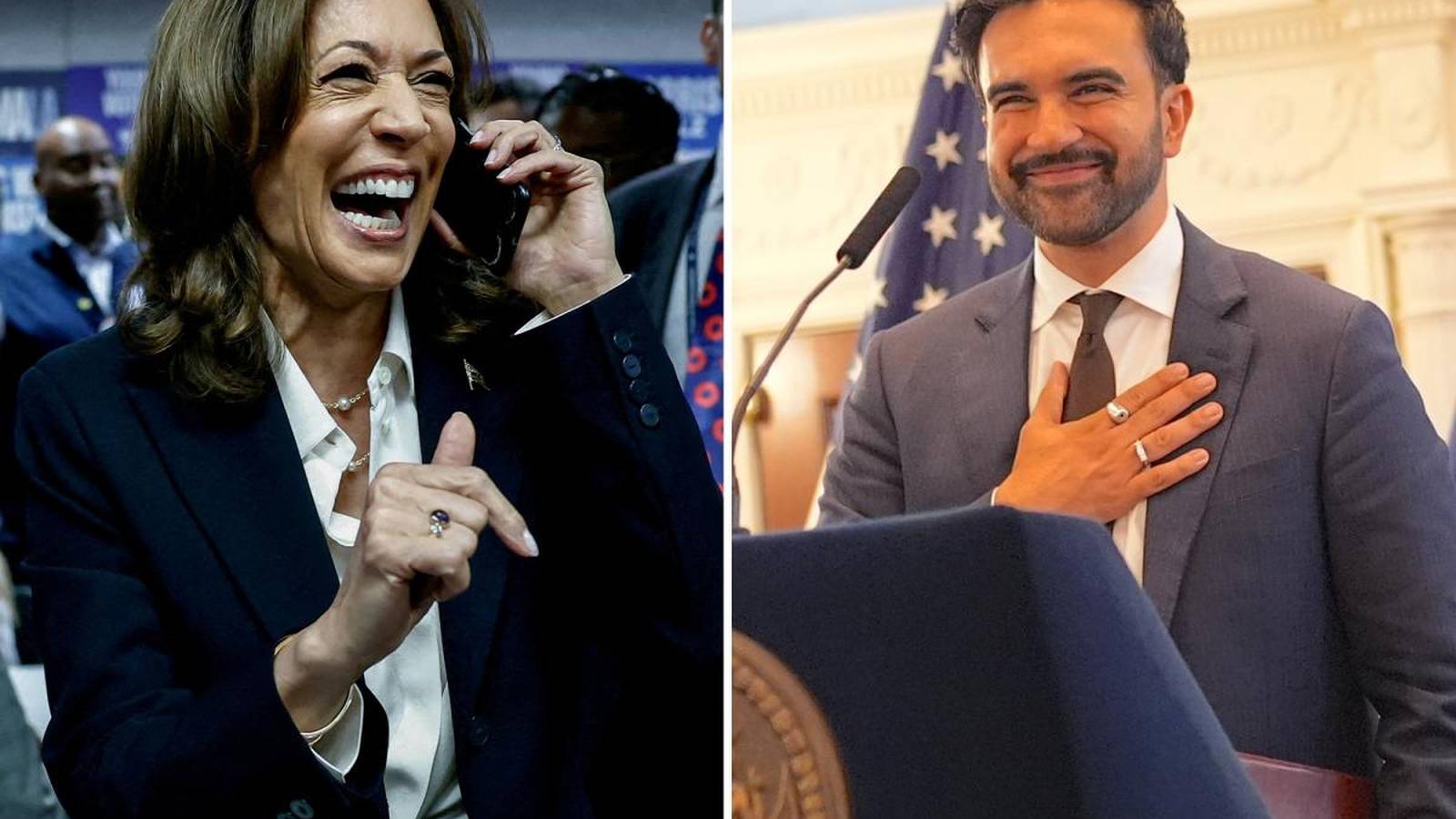
Former Vice President Kamala Harris has initiated outreach to key progressive figures and anti-Israel activists, including New York City Mayor Zohran Mamdani, as she works to solidify her position as the front-runner for the 2028 Democratic presidential nomination. The outreach, confirmed by Mamdani during a SiriusXM appearance, signals a strategic effort to bridge the internal party divide that contributed to electoral challenges in 2024.
Strategic Realignments
According to reports from Axios and confirmed details from the New York Post, Harris has maintained contact with Mamdani and other left-wing leaders over the past several months. The move follows a surge in progressive victories during recent New York primaries, where candidates endorsed by the Democratic Socialists of America (DSA) defeated established incumbents. Analysts suggest that Harris is attempting to recalibrate her political brand to regain traction with younger voters and the party’s left flank, a demographic where she faced significant friction during her 2024 presidential bid.
Harris currently leads the national Democratic primary field with 27.3% support in the RealClearPolitics average, comfortably ahead of potential rivals like California Governor Gavin Newsom and Transportation Secretary Pete Buttigieg. However, her long-term viability depends on reconciling with the “Uncommitted” movement and other factions that broke from the party over the Biden-Harris administration’s stance on the conflict in Gaza.
The Policy-Coalition Nexus
The outreach effort is not merely symbolic; it reflects an awareness of the shifting power dynamics within the Democratic party. By engaging figures like Mamdani and DNC member James Zogby, Harris is testing the waters on whether she can adopt a more critical stance toward Israeli policy without alienating the broader party establishment. During her 2024 campaign, Harris frequently walked a fine line, publicly expressing empathy for ceasefire advocates while maintaining the administration’s core support for Israel. The current effort to re-engage suggests an attempt to consolidate support ahead of a crowded primary cycle.
Political observers note that while Harris holds a polling advantage, her path to 2028 remains contingent on her ability to demonstrate that she has learned from the electoral losses of 2024. Whether this outreach to the progressive wing will lead to a cohesive platform or create new tensions with moderate donors and voters remains the central uncertainty of the upcoming cycle.