


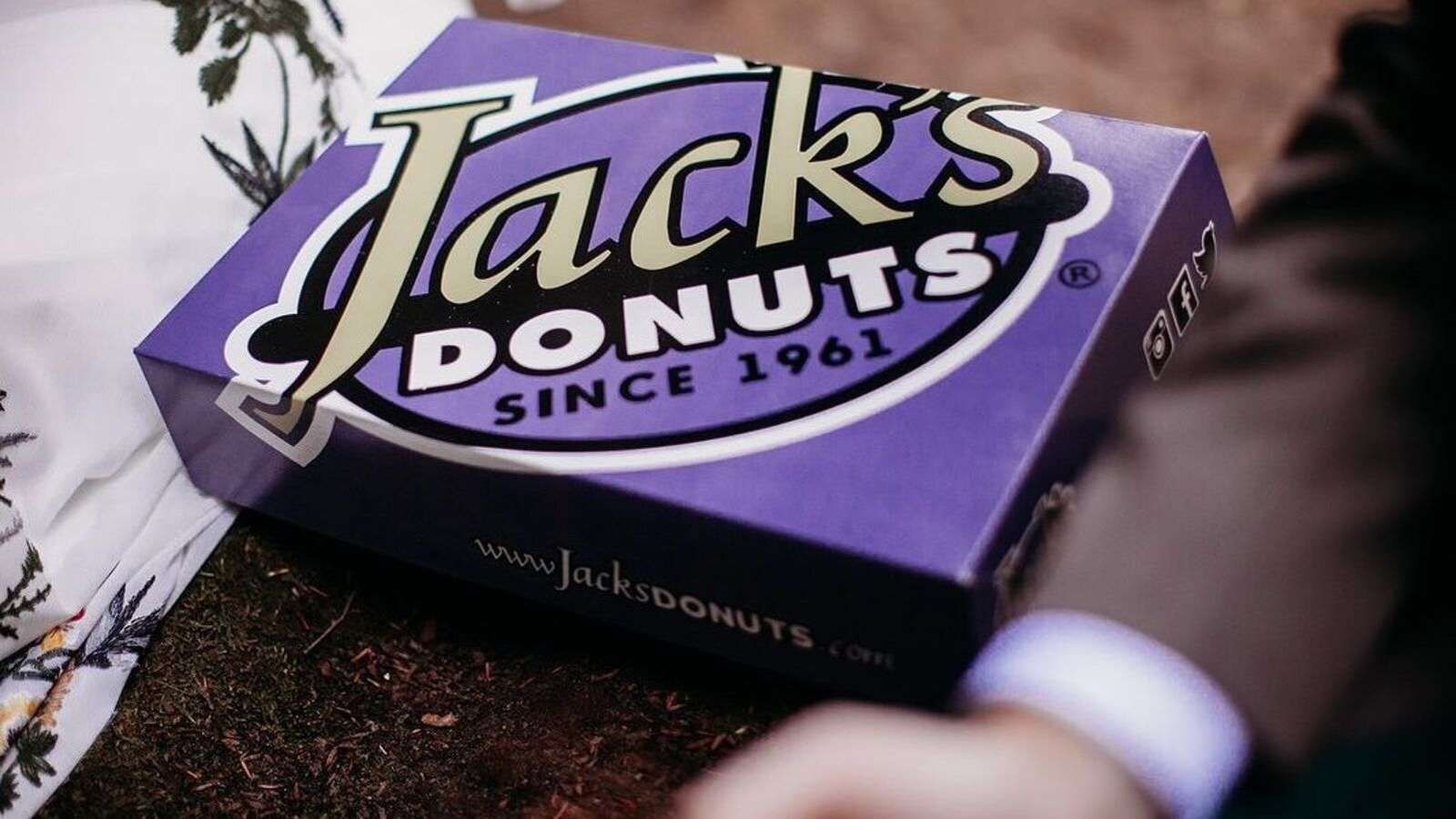
Jack’s Donuts Files for Chapter 11: The Sweet Chain’s Bitter Turn
Jack’s Donuts, a household name for donut lovers across Indiana and beyond, has found itself at a crossroads few anticipated. On October 30, 2025, the company filed for Chapter 11 bankruptcy protection in the US Bankruptcy Court for the Southern District of Indiana, as reported by WRTV. This legal maneuver is more than just a financial technicality—it’s a dramatic inflection point for a brand that’s been a staple of American mornings for over six decades.
How Did It Come to This? A Legacy Under Strain
Founded in 1961 in New Castle, Indiana, Jack’s Donuts built its reputation on fresh, handmade pastries and a warm, community-centered ethos. Yet, beneath the surface of nostalgia and tradition, trouble had been brewing. According to bankruptcy filings, the company’s commissary—the hub that supplies donuts to franchises—now faces more than $14.2 million in liabilities, far outweighing its reported $1.4 million in property assets.
The root causes are tangled: legal battles, operational shake-ups, and mounting debts. Most notably, CEO Lee Marcum’s decision in October 2023 to centralize production at a new commissary forced many franchisees to stop baking on-site and buy products directly from headquarters. This move was supposed to streamline operations, but instead, it sparked resentment among franchisees. Many were compelled to sell their baking equipment and lay off staff—losing not just their autonomy, but a part of their local identity.
Customers noticed the difference, too. Online chatter and in-store feedback compared the new donuts to “gas station donuts”—a stark fall from the brand’s once-proud standards. The ripple effect was swift: declining customer satisfaction, franchisee frustration, and a cascade of lawsuits from suppliers who claimed they weren’t paid for delivered goods. Carter Logistics, a major trucking company, is among more than 100 creditors listed in court documents.
Chapter 11: Restructuring, Not Goodbye
Unlike Chapter 7 bankruptcy, which usually signals liquidation and closure, Chapter 11 is designed to give businesses a second chance. Under court supervision, Jack’s Donuts will attempt to reorganize its debts and operations, aiming to emerge leaner and more stable. In a statement, the company sought to reassure anxious customers and franchisees: “We have plans for continued and uninterrupted future operations that will be filed in the case. Our stores remain open, our teams are at work, and our commitment to quality, tradition, and community remains unchanged.”
The statement also clarified that independently owned franchises are not directly affected by the bankruptcy—only the franchisor and certain related entities are subject to proceedings. For many franchisees, this offers a lifeline. Their operations can continue, even as the parent company navigates turbulent waters.
Franchise Fallout: Autonomy vs. Centralization
The heart of Jack’s Donuts’ crisis is a classic business dilemma: how much control should headquarters exert over local outlets? For decades, franchisees enjoyed significant autonomy, adapting recipes and practices to local tastes. Marcum’s centralization push undermined that tradition, replacing it with a uniform product that, for many, lacked the soul of the original.
“People come to our shop for the taste they grew up with,” said one Indiana franchise owner who asked not to be named. “When the donuts started coming from the commissary, customers noticed. Some stopped coming altogether.”
For a brand built on local pride, the shift felt like a betrayal. The backlash wasn’t just emotional; it had real financial consequences. Disgruntled franchisees, declining sales, and a public relations storm quickly followed.
Legal Troubles and the Road Ahead
The bankruptcy isn’t happening in isolation. CEO Lee Marcum and his businesses face multiple civil lawsuits and court rulings. Suppliers like Carter Logistics claim they haven’t been paid for services rendered, and other creditors are demanding compensation for breaches of contract. The bankruptcy court will now play referee—deciding which debts get paid, how much, and in what order.
For employees and franchisees, the uncertainty is palpable. Will jobs be cut further? Will stores close? While the company insists that daily operations will continue, the next few months will be decisive. The court’s restructuring plan could mean renegotiated contracts, new leadership, or even a sale of assets.
Community and Brand: A Test of Loyalty
Jack’s Donuts has always been about more than just donuts. “For more than 60 years, Jack’s Donuts has been about more than donuts—it’s been about people,” the company said in its statement. The brand has sponsored local events, supported charities, and served as a meeting place for generations. Its fate matters not just to shareholders, but to communities across Indiana and beyond.
Whether Jack’s Donuts can survive this crisis depends on more than legal filings and debt restructuring. It will hinge on the willingness of customers to return, franchisees to trust headquarters, and creditors to accept compromises. The brand’s legacy—built on trust, quality, and local flavor—will be tested as never before.
What Comes Next?
In the coming weeks, bankruptcy proceedings will unfold in court. Jack’s Donuts will submit its restructuring plan, outlining how it intends to pay creditors, streamline operations, and restore profitability. Independently owned franchises will watch closely, hoping the parent company’s troubles don’t drag them down.
Meanwhile, customers will decide with their wallets and their loyalty whether the Jack’s Donuts experience is worth preserving. In an era where local businesses are struggling to compete with national chains, the outcome will resonate far beyond Indiana.
Jack’s Donuts’ bankruptcy is a cautionary tale about balancing tradition with change. The company’s struggle to maintain quality and community spirit while modernizing operations underscores the delicate relationship between headquarters and franchisees. Whether the brand emerges stronger or fades into memory will depend on its ability to reconcile these competing forces—and on the loyalty of those who still believe in its story.