


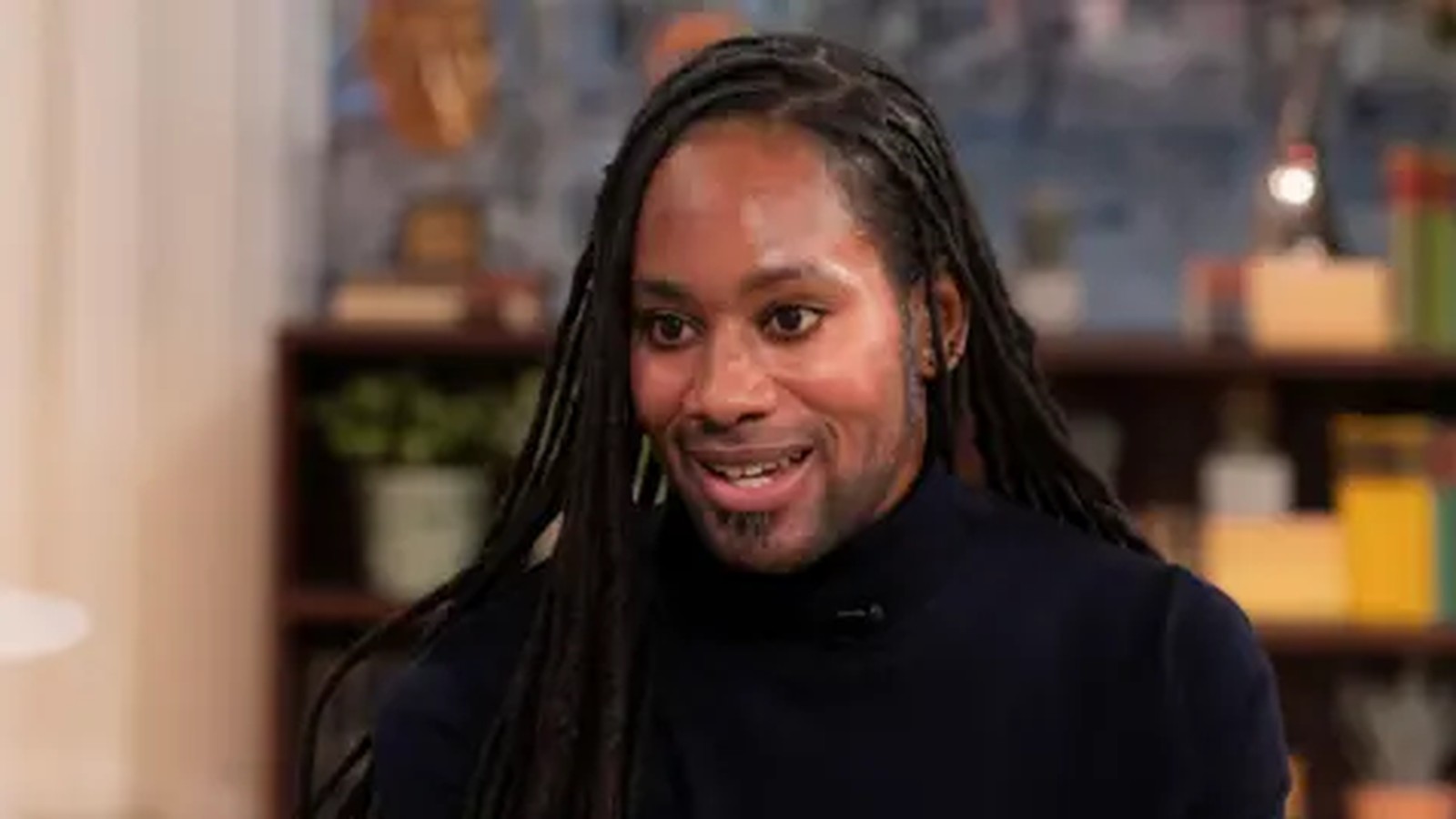
Former University of Cambridge professor Jason Arday has been found dead at the age of 41, London emergency services and police confirmed on Friday, August 14. The academic’s death comes nine days after he resigned from his prestigious chair in the sociology of education following intense public scrutiny, allegations of academic plagiarism, and questions regarding his public biography.
Metropolitan Police officers were called by the London Ambulance Service to an address in Battersea, south London, on Friday afternoon after a man was reported unresponsive. Police stated that the 41-year-old was pronounced dead at the scene. Authorities confirmed his next of kin have been informed and stated that while the death is currently being treated as unexpected, it is not believed to be suspicious. A file is being prepared for the coroner by officers from the Met’s Central South Command Unit.
In a statement released on Friday, Arday’s family expressed profound shock, describing him as a gentle man who always wished to see the best in others. The family directly cited the pressure surrounding the recent allegations, stating that the campaign of misinformation had proven overwhelming for him.
Timeline of Allegations and Resignation
Arday’s sudden departure from Cambridge occurred on August 5, 2026, following weeks of mounting controversy regarding his scholarly output and personal claims. The public dispute erupted after Nathan Cofnas, a former Cambridge philosophy researcher whose own employment at the university ended in 2024 after controversial critiques of diversity initiatives, published allegations asserting numerous instances of plagiarism in Arday’s academic work.
Beyond questions regarding his text, public scrutiny expanded to claims Arday had made concerning extraordinary physical achievements for charity, including running 30 marathons in 35 days, 300 miles in three days, and 600 miles on a treadmill over six days to raise over £5 million. Arday strongly denied deliberate dishonesty, though he conceded that errors existed in his early academic work. He attributed structural oversights in his earlier texts to his neurodiversity, explaining that as an autistic individual who was non-verbal until age 11 and unable to read or write until 18, he had relied heavily on mimicry to synthesize complex information.
Addressing the criticism in an interview with The Times earlier this month, Arday defended his integrity while condemning the nature of the backlash. While acknowledging early technical oversights, he argued that similar scrutiny of other academics would reveal comparable errors. He stated that the hostility he faced crossed the line from scholarly critique into personal persecution, characterizing the characterization of him as a liar and fantasist as completely unacceptable and disproportionate.
Institutional Responses and Ongoing Reviews
When the claims first emerged, Cambridge University noted that allegations regarding Arday’s PhD thesis and several published articles had previously been investigated by Liverpool John Moores University (LJMU), which awarded his doctorate in 2015, as well as by relevant academic journals. LJMU’s review concluded that Arday had not committed deliberate plagiarism.
However, as debate intensified, institutional scrutiny broadened. Earlier in the week preceding his death, Cambridge Vice-Chancellor Professor Deborah Prentice announced an independent review into Arday’s initial appointment, acknowledging widespread concerns across academia. Simultaneously, the University of Glasgow, where Arday had previously served as a professor of sociology of education, announced its own review into his past academic output.
Following Friday’s news, Vice-Chancellor Prentice issued a statement expressing deep sadness and offering sympathies to Arday’s family on behalf of Cambridge University. Statements of shock and condolence were also issued by representatives from the University of Glasgow and Liverpool John Moores University.
High-Profile Career and Broad Institutional Impact
Arday’s appointment to Cambridge in 2023 at the age of 37 was celebrated nationally as a milestone moment, making him the youngest Black scholar ever appointed to a professorial chair in the institution’s history. Beginning his career as a physical education teacher before earning his PhD, he held positions at Durham University and the University of Glasgow before joining Cambridge.
His tragic passing coincides with the release of his memoir, Great And Unfortunate Things, published by Simon & Schuster. The book, released in the United States earlier in the week and scheduled for UK publication on August 27, details his trajectory from childhood speech and literacy challenges through his rapid rise in academia. Arday had cancelled promotional appearances for the book last weekend following his resignation.