


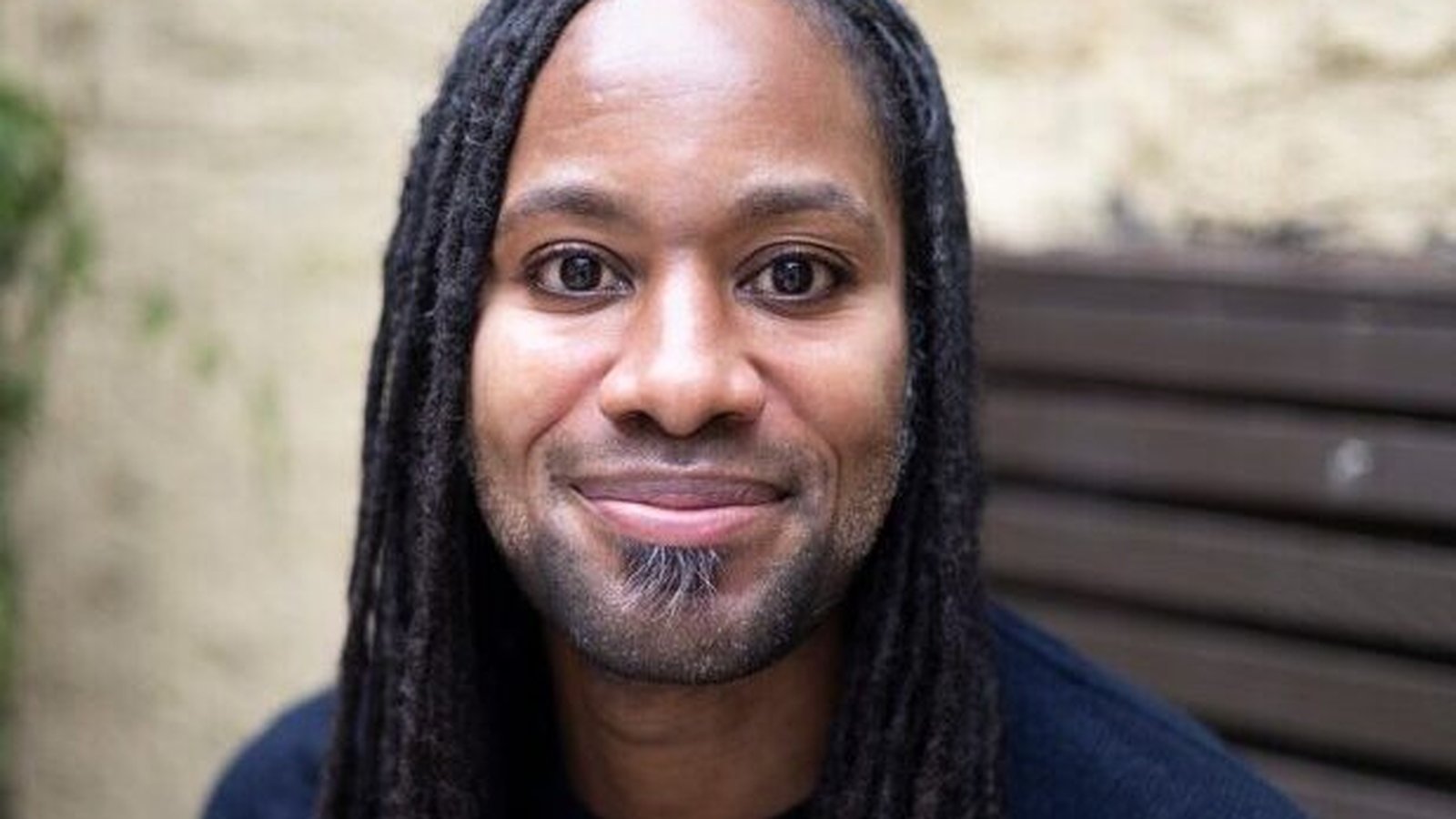
The Scrutiny of Academic Credentials
Professor Jason Arday, the youngest Black professor in the history of Cambridge University, is currently at the center of a volatile debate regarding allegations of plagiarism in his past academic work. The controversy, which has gained significant traction since June 2026, involves claims that his 2015 doctoral dissertation contains substantial uncredited passages from other scholars’ works. While these allegations have been championed by vocal critics of Diversity, Equity, and Inclusion (DEI) policies, a broad coalition of over 600 academics, public figures, and civil society leaders has launched a solidarity campaign, labeling the attacks as malicious and politically motivated.
Timeline of Allegations and Institutional Response
The origins of the current scrutiny date back to internal concerns raised by an anonymous source with Cambridge University administration in 2023. At that time, the university declined to launch a formal investigation, citing that the work in question predated Arday’s tenure. However, the issue persisted. In September 2025, Times Higher Education (THE) began investigating the dissertation, but the inquiry was halted after Arday engaged the prominent defamation law firm Carter-Ruck.
The discourse intensified in mid-2026 when Nathan Cofnas, a former Cambridge philosopher and vocal critic of DEI initiatives, published a detailed critique of Arday’s work. Independent analyses, including those referenced by Retraction Watch, have noted that while some of Arday’s papers have undergone corrections, the dissertation allegations remain unaddressed by a public, transparent institutional review. Critics point to overlaps with the 2009 dissertation of Paula Zwozdiak-Myers and other academic papers as evidence that a formal inquiry is necessary to protect institutional standards.
The Solidarity Campaign
In response to what they describe as a “sustained and malicious” campaign, supporters of Professor Arday have mobilized. A formal petition, supported by high-profile figures including Lord Simon Woolley and various Cambridge heads of colleges, asserts that Arday has been fully exonerated by previous university inquiries. The signatories argue that the focus on Arday is not about academic integrity but is an attempt to undermine Black scholars in positions of power. They maintain that the “right-wing media” is weaponizing baseless allegations to cause reputational damage.
The Intersection of Integrity and Bias
The case highlights a profound tension within modern academia. Proponents of a deeper investigation argue that regardless of the source’s motivations, the evidence presented—specifically verbatim text usage without proper quotation—demands an objective review to maintain the integrity of Cambridge’s academic credentials. Conversely, defenders argue that the timing and the specific targeting of a high-profile Black academic suggest a discriminatory pattern, where plagiarism allegations are used as a tool to silence DEI-associated voices.
The situation remains at a stalemate. Cambridge University has yet to announce a new investigation, leaving the academic community divided between those calling for procedural transparency and those viewing the entire scrutiny process as a form of institutional harassment.