


Public Statement and Leadership Vacuum
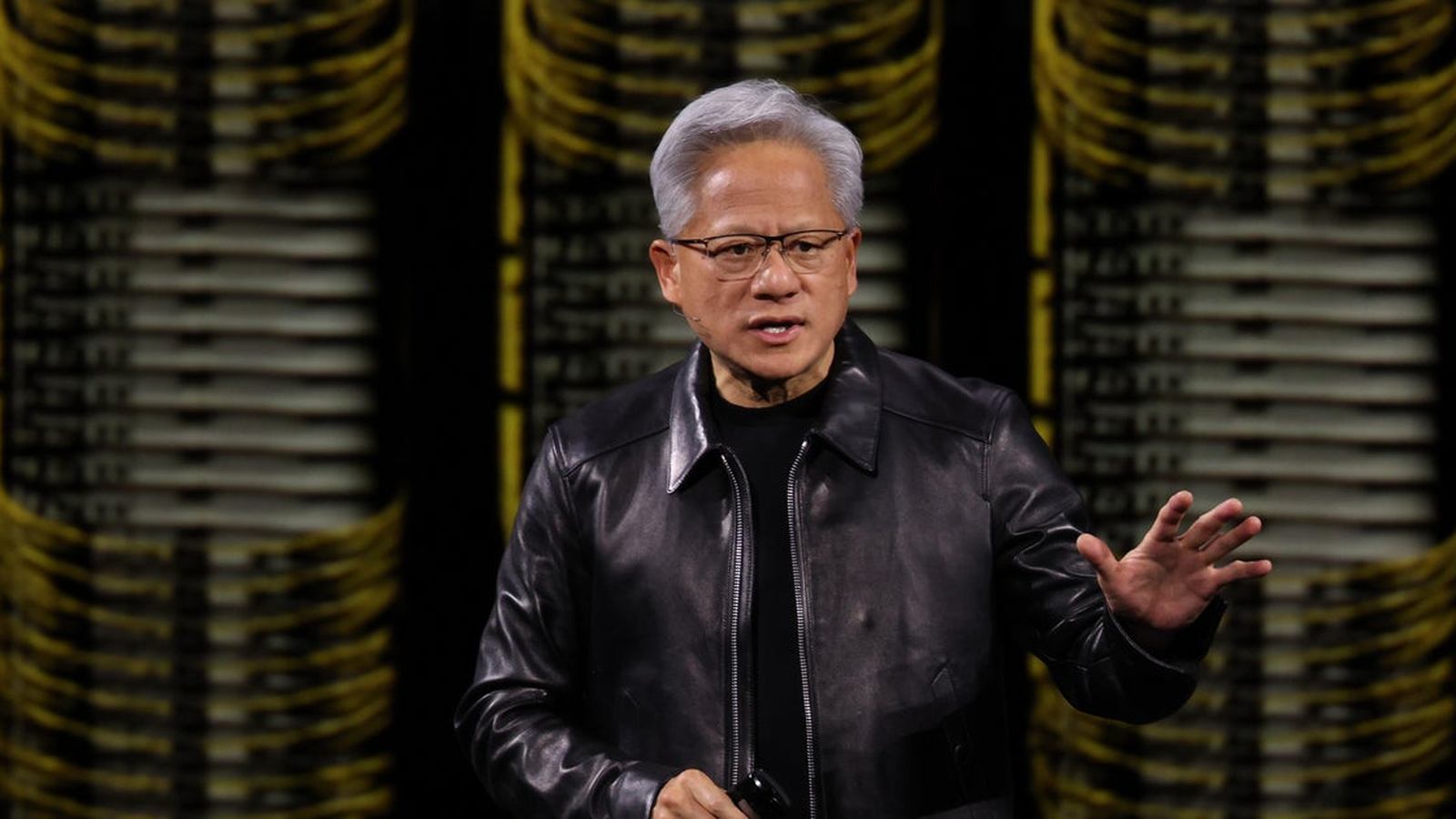
Former Nvidia CEO Jensen Huang issued his first public statement on Tuesday, November 17, 2026, since resigning from his position last week. In a message confirmed by CBS News, Huang addressed the turmoil surrounding his departure, which followed revelations of extramarital affairs, including one with an individual alleged to be a Chinese spy. Huang stated, “If the board of directors decides that my return is in the best interest of our shareholders, our employees, the company and America, I would be honored to answer these calls and return as CEO.”
Despite this public overture, the path to reinstatement appears blocked. According to reporting from The Guardian, members of the Nvidia board of directors remain uninterested in reinstating Huang to any capacity within the organization. The board has taken concrete steps to distance the company from the former executive, including the formation of a specialized committee dedicated to overseeing national security policies and ensuring strict compliance with U.S. export controls.
The Divide Between Grassroots Support and Board Strategy
The tension surrounding Nvidia’s leadership is characterized by a stark disconnect between public sentiment and corporate governance. A petition urging the board to reinstate Huang has garnered over 190,000 signatures, including support from thousands of current Nvidia employees. This grassroots pressure highlights the significant influence Huang maintained during his tenure as a founder-CEO who led the company since 1993.
However, analysts suggest that the board’s structural moves indicate a definitive shift. Dan Ives, a technology analyst at Yorkville Ives & Co., noted in a research report that the board’s immediate prioritization of a new compliance framework serves as a clear signal. “The sequencing is the tell,” Ives wrote. “Jensen has conditioned his return on a board decision, and the board’s first public act this week was to build a compliance structure around the issue that forced him out, which is not what a board preparing to reverse itself does.”
National Security and Legal Stakes
The situation carries profound geopolitical implications. The investigation into Huang’s association with Alice Huang—a former executive at the Singaporean datacenter firm Megaspeed—has drawn the attention of U.S. federal authorities. The U.S. government confirmed that the Justice and Commerce departments have been investigating Megaspeed since 2024. While the company was placed on an internal “no sell” list by Nvidia in June 2025, the ongoing scrutiny regarding potential breaches of national security remains a primary driver for the board’s rigid stance.
Jensen Huang is scheduled to appear before House lawmakers on December 1, 2026. This hearing is expected to address critical questions regarding the nature of his relationship with the alleged spy and the extent of any technology or information exposure. The market continues to react to this uncertainty, with Nvidia shares closing down 1.7% at $153.51 on Tuesday, marking a total decline of 16% since the scandal became public.
Corporate Governance and Future Outlook
The board’s refusal to engage with the idea of a return reflects a broader institutional priority: insulating the company from the legal and regulatory fallout of the security scandal. By forming a dedicated committee for export and national security compliance, the board is attempting to signal to regulators and shareholders that the company is undergoing a necessary transition. As Nvidia prepares to report its quarterly earnings, the focus for investors will likely shift from the potential return of its founder to the long-term stability of its compliance protocols and its ability to maintain its market position amid intense geopolitical pressure.