


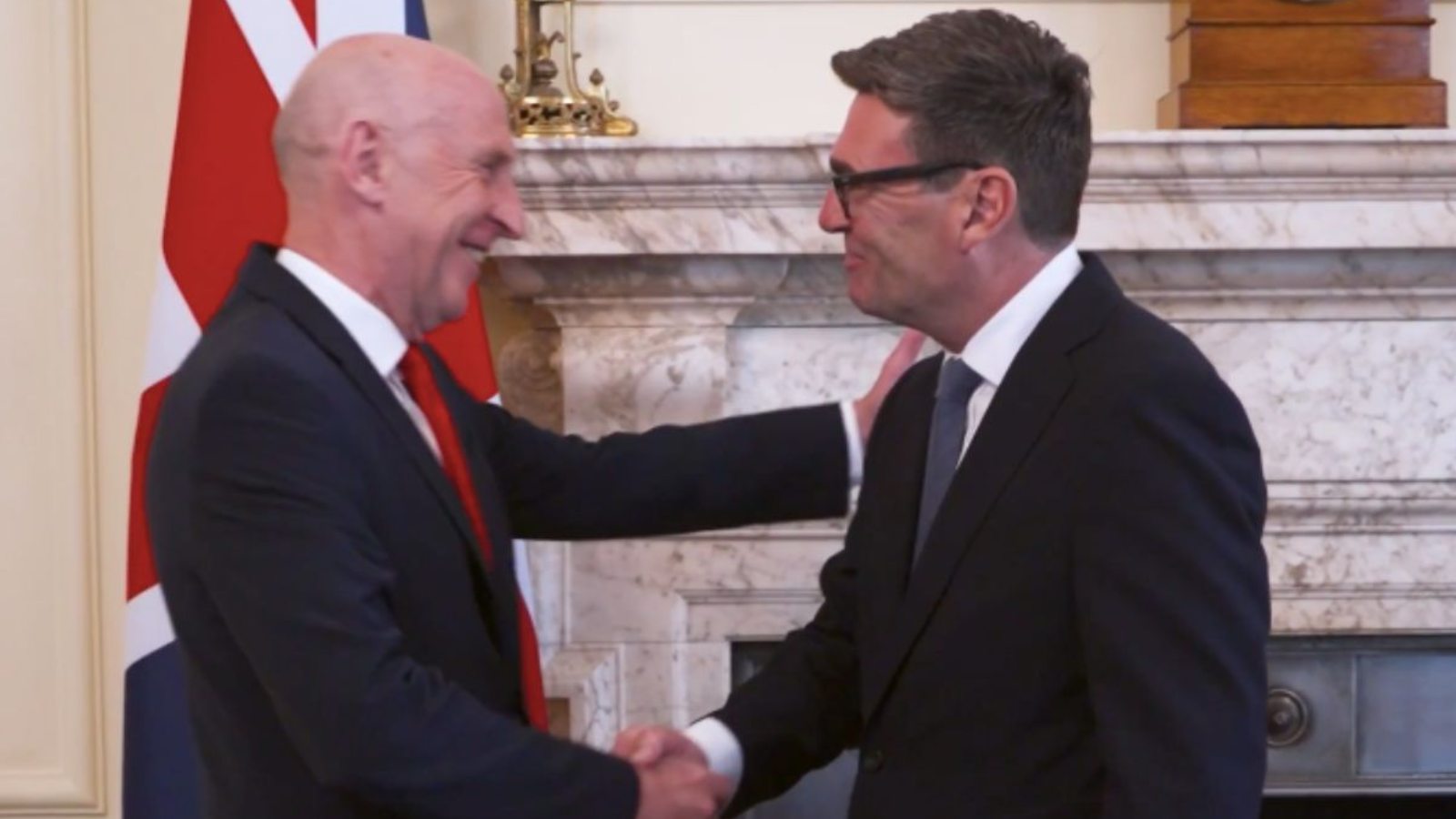
Prime Minister Andy Burnham has appointed John Healey as the new Chancellor of the Exchequer, a surprise move that brings the veteran Labour politician back into the heart of government only weeks after his resignation as defence secretary.
Healey, 66, left his previous post under former Prime Minister Sir Keir Starmer in June 2026, citing significant disagreements with the Treasury regarding defence funding. In his resignation letter, Healey criticized what he described as “Treasury trickery” and argued that the government’s investment plans were insufficient to meet rising national security threats. His departure at the time was viewed as a major blow to Starmer’s administration.
The appointment marks a significant shift in the Treasury’s leadership, as Healey replaces Rachel Reeves. Reeves, who served as chancellor following Labour’s 2024 election victory, issued a statement wishing her successor “the very best of luck” while reflecting on her tenure as the first woman to hold the position.
Political observers note that Healey and Burnham share a similar outlook on key policy priorities, including reindustrialization, cost-of-living challenges, and regional economic growth. As a frontbencher with nearly three decades of experience, Healey is regarded as a “safe pair of hands” within the Labour Party. Having previously served in ministerial roles related to housing and local government under both Tony Blair and Gordon Brown, he brings extensive institutional experience to his new role.
During his time as defence secretary, Healey was a vocal advocate for increasing UK defence spending to 3% of GDP by 2030. His move to the Treasury now places him in a position to oversee the national budget directly, potentially allowing him to implement the fiscal policies he previously advocated for from the outside.