


A New Chapter in Cupertino
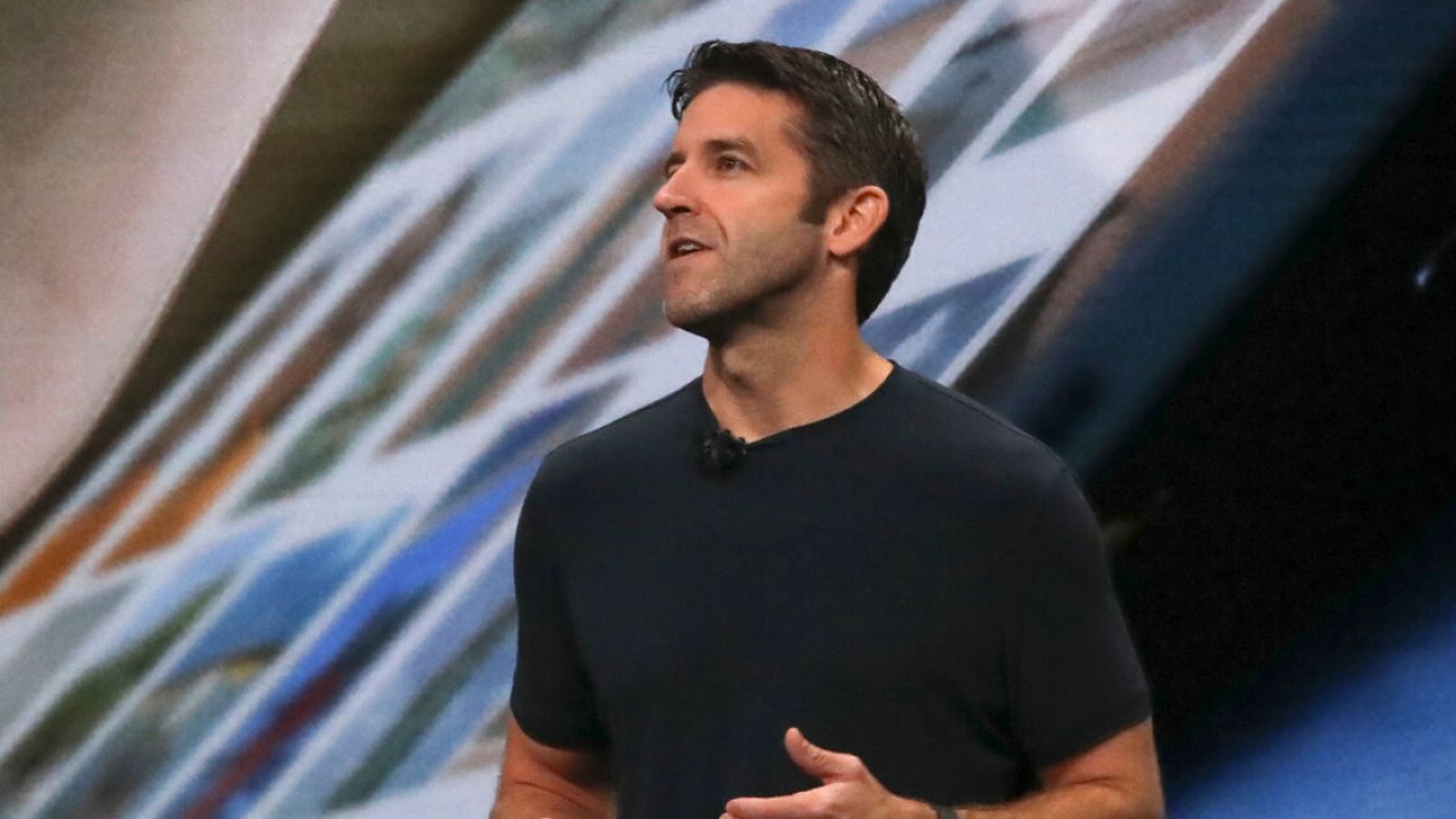
Apple officially entered a new era on September 1, 2026, as John Ternus assumed the role of Chief Executive Officer, succeeding Tim Cook after his 15-year tenure. Ternus, who previously served as Apple’s Senior Vice President of Hardware Engineering, takes control of a $4.7 trillion technology giant at a pivotal moment, as the company seeks to define its role in the rapidly evolving artificial intelligence landscape.
Cook, who transformed Apple into a global manufacturing and supply chain powerhouse, expressed confidence in his successor. In a final memo to employees, Cook stated, “Few people understand what it takes to build products that change the world the way John does.” The transition comes as Apple faces intense competitive pressure in the AI sector and navigate complex geopolitical environments, including ongoing trade tensions involving manufacturing hubs in Asia.
This report draws on information published by Al Jazeera.
The Hardware-First Strategy
Unlike his predecessor, whose background was rooted in operations and supply chain management, Ternus is a career engineer. Joining Apple in 2001, he played a critical role in the development of the Cinema Display, AirPods, iPad, and Mac divisions. His track record includes overseeing the transition from Intel processors to Apple Silicon, a project that solidified the company’s vertical integration strategy.
Observers note that Ternus’s appointment signals a return to a product-centric leadership model. According to industry analysts, this shift is intended to help Apple resolve persistent hardware challenges, such as the market performance of the Vision Pro and the development of forthcoming augmented reality smartglasses. His direct involvement in the creation of these products as hardware chief is expected to provide him with the necessary technical insight to course-correct.
Geopolitical and Economic Challenges
Ternus inherits a complex set of external risks. The company continues to face pressure from Washington regarding domestic manufacturing, with the current administration threatening tariffs on products assembled overseas. While Cook successfully navigated these waters through direct diplomatic engagement and investment commitments, this terrain represents a new challenge for the incoming CEO.
Beyond politics, the company is managing a global memory shortage that is currently impacting device pricing. Analysts at Yorkville Ives & Co. suggest that while Cook left the company in “phenomenal order,” the mandate for Ternus is to define the “AI chapter.” The upcoming iPhone launch on September 9 will serve as the first major public test of his leadership, with significant market focus on potential hardware redesigns, including rumors of a foldable iPhone model.
Integrating Hardware and Software
While Ternus is primarily known for hardware, his tenure as an executive has involved deeper engagement with software strategy. He was a key advocate for the creation of iPadOS, arguing that the hardware’s potential could only be realized through a bespoke operating system. As the “executive sponsor” for design, he has also been tasked with oversight of design issues across both hardware and software, positioning him to bridge the gap between engineering and user experience in a way that may address criticisms of Apple’s recent software performance.