


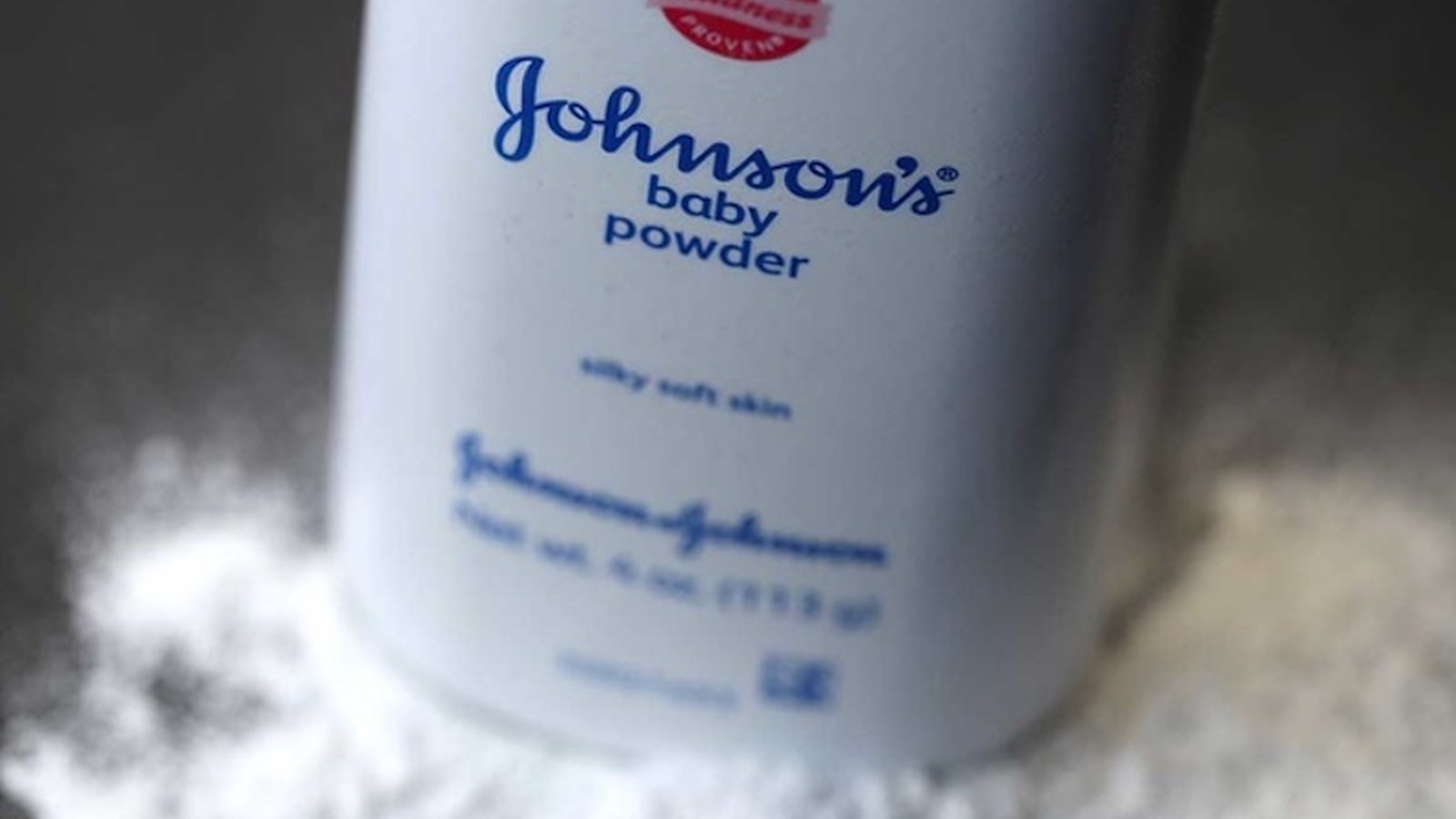
Johnson & Johnson (J&J), a name synonymous with baby care for over a century, now finds itself at the center of what could become the largest product liability case in British history. This October, more than 3,000 individuals, represented by UK law firm KP Law, filed a lawsuit in the High Court, alleging that J&J’s talcum powder products caused cases of ovarian cancer and mesothelioma due to asbestos contamination (BBC, Cosmetics Business, Sky News).
Thousands Seek Accountability in Landmark UK Talc Lawsuit
The claim covers product use spanning from 1965 to 2023. Claimants and their families say they trusted Johnson’s Baby Powder, using it for themselves and their children, unaware of the alleged risk. The damages sought exceed £1 billion—a figure that underscores both the scale and seriousness of the allegations.
At the heart of the lawsuit is the assertion that J&J knew its talc products could contain carcinogenic asbestos fibers, yet continued selling them. Internal memos, scientific reports, and correspondence, some dating back to the 1960s and 1970s, are said to reveal corporate awareness of contamination risks. Claimants argue that, rather than issuing warnings, J&J launched aggressive marketing campaigns portraying its powder as pure and safe. The product became a staple in homes, trusted by generations.
Tom Longstaff, lead partner at KP Law, described the scale of alleged wrongdoing as “extraordinary.” “The facts are clear,” he stated, “contaminated talc contains carcinogenic material, and Johnson & Johnson knew the risk to consumers.” He pledged relentless pursuit of accountability on behalf of those affected.
Corporate Response and Legal Defenses
Both J&J and Kenvue, its former consumer health subsidiary, deny the allegations. Kenvue, which separated from J&J in August 2023 and now indemnifies J&J for talc litigation outside North America, maintains that its baby powder was compliant with regulatory standards, did not contain asbestos, and does not cause cancer. “The safety of Johnson’s baby powder is backed by years of testing by independent and leading laboratories, universities, and health authorities in the UK and around the world,” a spokesperson stated.
J&J itself points to regulatory compliance and decades of scientific testing, asserting that their products were safe. However, court documents and media reports cite internal communications discussing asbestos contamination, proposed patents for asbestos removal, and marketing strategies that allegedly prioritized sales over consumer safety.
Personal Stories Highlight Human Cost
The lawsuit is not just a corporate battle—it’s a deeply personal one for thousands of families. Janet Fuschillo, 75, who used J&J’s baby powder since the 1960s, was diagnosed with ovarian cancer seven years ago. “We were told it was pure, and it was good for you,” she recalls. Patricia Angell’s husband Edward died of mesothelioma in 2006 after daily use of the powder. “Talc was mentioned on Edward’s autopsy report, along with asbestos strains found in contaminated talc,” she says.
Siobhan Ryan, another claimant, shared her shock upon receiving a stage 4 ovarian cancer diagnosis. “My mother used it and I used it. It smelt nice and was soft and lovely. When my babies were born I used it on them. I thought I was doing my best for them,” she told the BBC. Her cancer, now inoperable, has returned despite multiple rounds of chemotherapy. For many, the trust placed in a household name has given way to anger and a sense of betrayal.
Mesothelioma, a rare cancer typically linked to asbestos exposure, and ovarian cancer are central to the claims. Medical experts note that while ovarian cancer often results from a combination of genetic, internal, and external factors, exposure to harmful substances like asbestos can increase risk. Symptoms include persistent bloating, pelvic pain, and changes in urinary or bowel habits—signs that often go unnoticed until the disease advances.
Global Context: US Litigation and Regulatory Scrutiny
The UK lawsuit mirrors extensive litigation in the United States, where J&J faces more than 62,000 claims alleging cancer from talc products. American courts have awarded billions in damages to claimants, including a $966 million verdict last week to the family of a woman who died of mesothelioma. J&J has appealed many of these decisions, and a US judge recently rejected its $10 billion settlement proposal, keeping the legal battle alive.
J&J ended all global sales of its talc-based baby powder in 2023, shifting to cornstarch-based products. This move followed mounting evidence and public pressure, but critics argue it came decades too late. In the UK, the legal claim alleges that J&J lobbied regulators to accept lower sensitivity standards for asbestos detection, sponsored studies to downplay dangers, and suppressed information about contamination.
Legal experts say the case could set a precedent for product liability in the UK, given its scale and the potential for hundreds of millions in damages. While US courts have sometimes awarded massive payouts, UK courts typically issue more restricted damages. Still, the outcome may shape future regulation and corporate accountability for health-related consumer products.
What’s Next for Johnson & Johnson and Consumers?
As the UK lawsuit moves forward, J&J and Kenvue face intense scrutiny—not just from courts, but from the public and regulatory bodies. The outcome will depend on the evidence presented, particularly internal company documents, scientific studies, and testimony from claimants and experts.
For consumers, the story is a stark reminder of the importance of transparency and rigorous safety standards in everyday products. Many are left wondering: How do we balance trust in familiar brands with vigilance about what goes into the products we use on ourselves and our children?
The Johnson & Johnson talcum powder case highlights the tension between corporate interests and consumer safety, raising questions about regulatory oversight and the limits of legal recourse. As thousands seek justice, the outcome may signal a shift in how health risks are managed and communicated in the marketplace.