


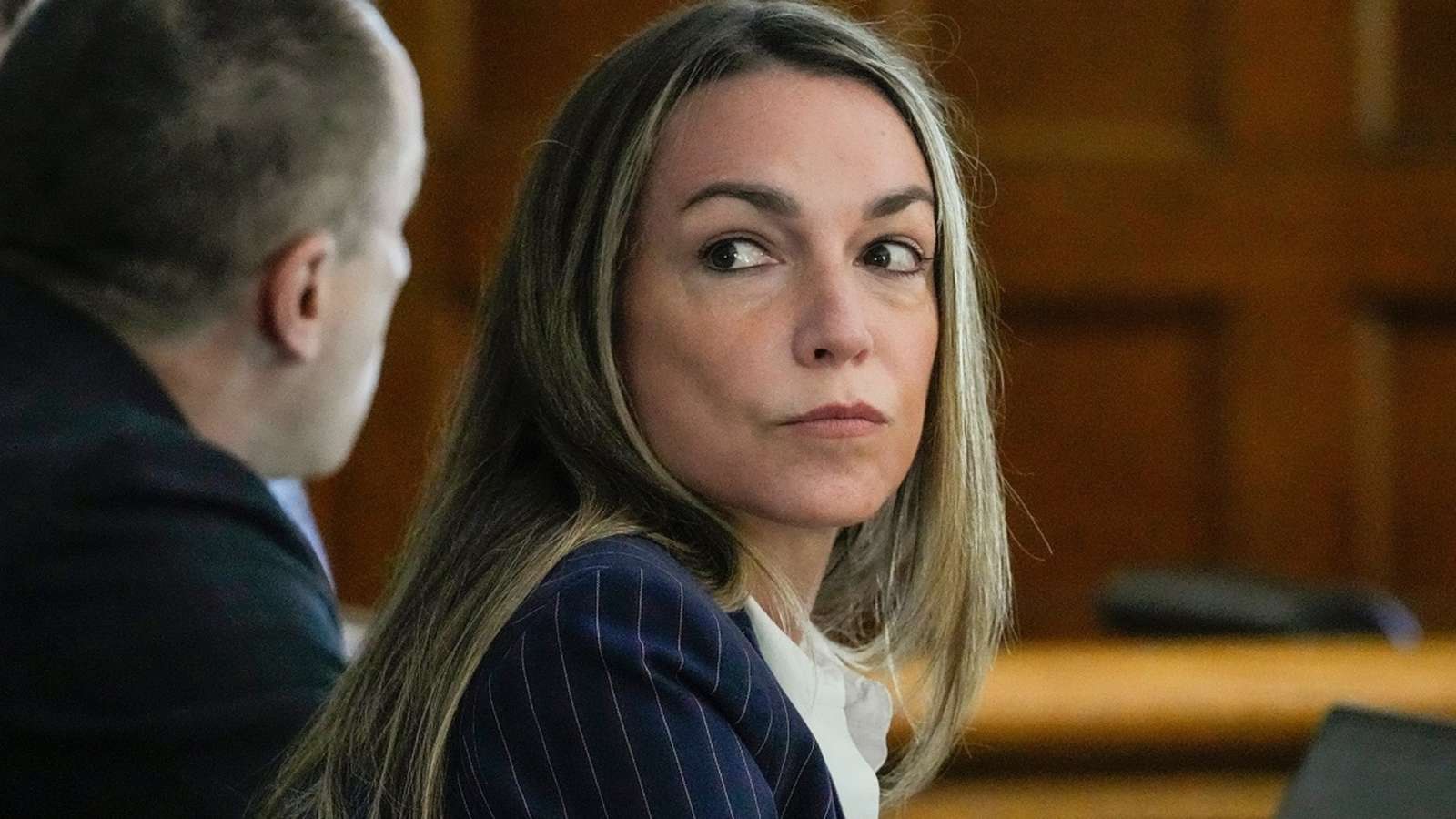
Legal Tensions Rise as Karen Read Returns to Court
In a development that has reignited both legal and public interest, Karen Read, whose name has become synonymous with controversy and debate, is back in court facing a wrongful death suit. The proceedings have cast a fresh spotlight on a case that first gripped Massachusetts and sent ripples far beyond. The courtroom, once again, becomes the stage where the collision of facts, speculation, and emotion unfolds.
The Heart of the Wrongful Death Suit
The wrongful death case centers on the tragic passing of John O’Keefe, a Boston police officer, whose death in 2022 triggered a chain of investigations, media coverage, and legal maneuvering. Read, O’Keefe’s then-girlfriend, stands accused of causing his death after allegedly striking him with her vehicle outside a friend’s home. The details, as presented in court, are stark and sobering: O’Keefe was found outside in freezing conditions, and prosecutors contend that Read failed to render aid or call for help.
Read’s defense, however, paints a different picture. Her legal team has consistently argued that the evidence is circumstantial, suggesting that others at the gathering may bear responsibility for what happened that night. They point to inconsistencies in witness statements, the handling of forensic evidence, and the timeline pieced together by investigators. The wrongful death suit—separate from the criminal proceedings—seeks damages on behalf of O’Keefe’s family, adding yet another layer of complexity to an already fraught legal landscape.
Public Scrutiny and Media Frenzy
This is not just a legal battle; it’s a story that has captured the imagination and ire of the public. From local news outlets in Massachusetts to national platforms such as Today and Reuters, the coverage has been relentless. Social media channels buzz with speculation, amateur sleuthing, and impassioned debate. Supporters of Karen Read have rallied both online and in person, holding signs outside courthouses and amplifying claims of injustice. Meanwhile, others call for accountability and justice for O’Keefe’s family.
The case’s visibility raises important questions about the role of public opinion in judicial proceedings. Can a fair trial truly be achieved under the glare of constant media attention? The judge presiding over the wrongful death suit has issued reminders that the facts—not the headlines—must guide deliberations.
The Legal Arguments and Stakes
Inside the courtroom, the stakes are high. The wrongful death suit is a civil matter, distinct from criminal charges, and the standards of proof differ. O’Keefe’s family, represented by their attorneys, is seeking financial compensation for the loss of their loved one. Their arguments hinge on the premise that Read’s alleged negligence directly led to O’Keefe’s death, and that justice demands accountability.
Read’s defense team, however, is challenging both the factual basis and the legal interpretation underpinning the suit. They argue that the timeline constructed by investigators is riddled with gaps, that forensic evidence was improperly handled, and that the prosecution’s case is built on inference rather than certainty. In recent hearings, experts in accident reconstruction and forensic pathology have taken the stand, dissecting the minutiae of tire marks, bodily injuries, and weather conditions on the night in question.
The outcome of the suit will not only determine financial liability but could also influence the trajectory of related criminal proceedings. Legal analysts from CBS News note that civil judgments often carry significant weight in shaping public narratives—and sometimes, in prompting new investigations.
The Human Impact: Grief, Division, and Unanswered Questions
Beyond the legal arguments, the Karen Read case is, at its core, a human story marked by grief, division, and a search for truth. O’Keefe’s family continues to mourn the loss of a son, brother, and colleague, their pain compounded by the prolonged legal battle. For Read, the ordeal has been marked by intense scrutiny, public vilification, and a steadfast insistence on her innocence.
Communities in Massachusetts have become polarized, with neighbors, friends, and even strangers taking sides. The case has exposed deep fissures—between trust in the legal system and skepticism, between the need for closure and the desire for answers. In interviews with Boston Globe, local residents express frustration that the case has dragged on, fueling rumors and anxiety. “We just want the truth,” one neighbor said. “It’s hard to watch everyone pick sides when nobody really knows what happened.”
Looking Ahead: The Path to Resolution
As Karen Read’s wrongful death suit continues, the path to resolution remains uncertain. The judge has called for all parties to respect the process and refrain from public commentary that could prejudice the case. Legal experts predict that the proceedings could stretch on for months, with appeals possible regardless of the outcome.
For now, the case stands as a stark reminder of how a single night can unravel lives, relationships, and communities. It raises difficult questions about the intersection of law and emotion, about how justice is pursued and perceived in the public square.
In the end, the Karen Read wrongful death suit is more than a headline—it’s a mirror reflecting the complexities of justice in America. The facts are contested, the emotions are raw, and the stakes—both legal and human—are enormous. As the courtroom drama continues, one truth endures: the demand for accountability must be balanced by the presumption of innocence, and only a careful, thorough examination of evidence can bring closure to those most deeply affected.