


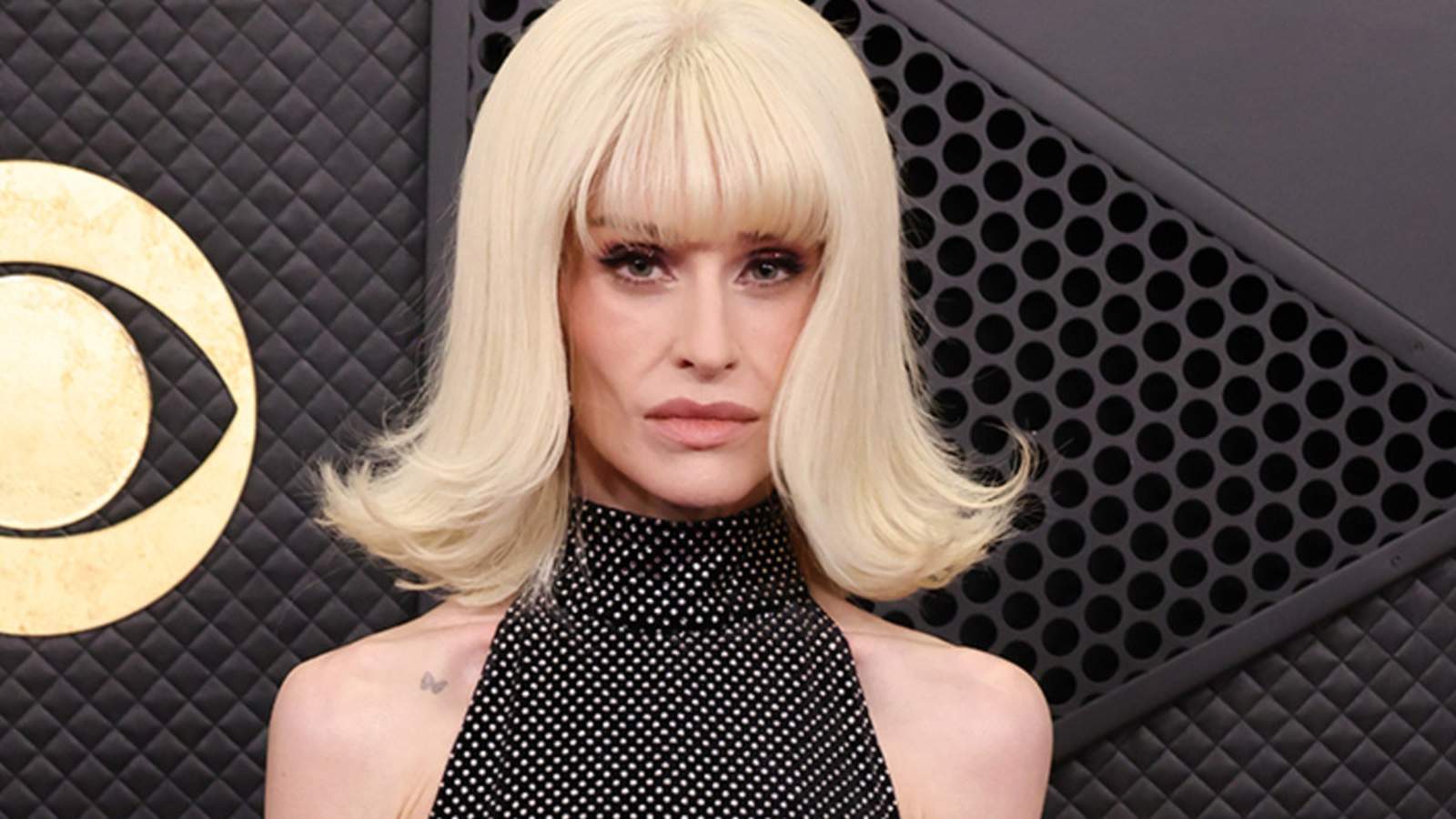
The intersection of celebrity culture, personal tragedy, and relentless aesthetic scrutiny has rarely been as starkly illustrated as in the recent disclosures by television personality Kelly Osbourne. In a series of candid interviews with The Mail and Hello! Magazine, the 41-year-old revealed that her dramatic weight loss following the death of her father, legendary rock musician Ozzy Osbourne, was so severe that she resorted to wearing a wig at the 2026 Grammy Awards simply to conceal her gaunt facial structure from the public eye.
The Physical Toll of Acute Grief
Ozzy Osbourne passed away from a heart attack at his Buckinghamshire home at the age of 76 on July 22, 2025, less than three weeks after performing his final concert in his hometown of Birmingham. For Kelly, the loss of her father triggered a profound physiological and emotional crisis. She described being consumed by a level of grief that manifested physically as constant nausea, making it nearly impossible to eat. “I was filled with so much pain that the feeling of hunger couldn’t even pop up,” she admitted.
The extent of her physical decline went unnoticed by Osbourne herself until she saw a photograph taken during a dress fitting ahead of the 2026 Grammy Awards in Los Angeles. The image shocked her. “I looked like the f**king Crypt Keeper,” she recalled. “I said, ‘This is scary. I didn’t know I looked like this’. My spine – you could see every single bone.” Alarmed by her own appearance and terrified of diverting media attention away from her father’s legacy, which was being celebrated at the ceremony, she and her styling team took strategic measures to mask her condition. They sourced a wig to obscure her hollow cheekbones and selected specific wardrobe pieces designed to make her look less emaciated. Reflecting on the event, Osbourne expressed regret over her decision to attend, stating, “In all honesty, when I reflect on it, I don’t think I should have gone. I wasn’t very well.”
The Dehumanizing Lens of Public Scrutiny
Osbourne’s physical transformation did not escape public notice, triggering intense speculation and criticism. The scrutiny intensified following her appearance at the 2026 Brit Awards, where she accepted a posthumous Lifetime Achievement award on behalf of her father alongside her mother, Sharon Osbourne. The wave of online commentary regarding her appearance left her feeling “dehumanized.” Addressing her critics on Instagram, she wrote: “There is a special kind of cruelty in harming someone who is clearly going through something.”
This was not the first time Osbourne had to defend her well-being. In December 2025, she appeared on Piers Morgan Uncensored to address the initial wave of public backlash regarding her sudden weight loss. The constant need to explain her physical state while navigating deep personal mourning highlights a broader systemic issue within media and public commentary: the tendency to treat celebrity bodies as public property, divorced from the human experiences of trauma, grief, and illness.
Balancing Maternal Duty and Personal Recovery
Amidst her private struggle, Osbourne was also focused on shielding her three-year-old son, Sidney, from the weight of her sorrow. Sidney, whom she describes as a “mini version” of Ozzy, shared an exceptionally close bond with his grandfather. Kelly revealed that she made a conscious effort to conceal her grief in his presence. “Whenever he walked in the room, something would come over me and I’d snap into Miss Fun Mum,” she said, adding that she would leave the room to cry to ensure her son was “not exposed to inappropriate sorrow.” Today, she and Sidney continue to visit Ozzy’s grave regularly, maintaining a connection to the late rock icon.
Osbourne’s path to recovery is now focused on comprehensive psychological healing. Speaking to Hello! Magazine, she emphasized that physical recovery must follow mental rehabilitation. “You’ve got to fix the head before you can fix the body,” she noted, acknowledging that her therapy sessions are helping her uncover behavioral patterns rooted in her childhood. “I’m not going to be fixed in a day… This is a lifetime of work I’ve got to do.”
A Public Narrative for Collective Healing
In an effort to turn her personal trauma into a resource for others, Osbourne has announced plans to document her grief and recovery in an upcoming three-part television series. By detailing her struggles with grief-induced physical decline and her subsequent therapeutic journey, she aims to foster a more compassionate public conversation about mental health and mourning.
Her experience serves as a sobering reminder of the invisible battles individuals fight behind the polished facade of red-carpet appearances. For Osbourne, the journey ahead is slow, but her willingness to dismantle the illusion of celebrity perfection offers a vital critique of how society views vulnerability under the spotlight.