


The Strategic Pivot in Minnesota
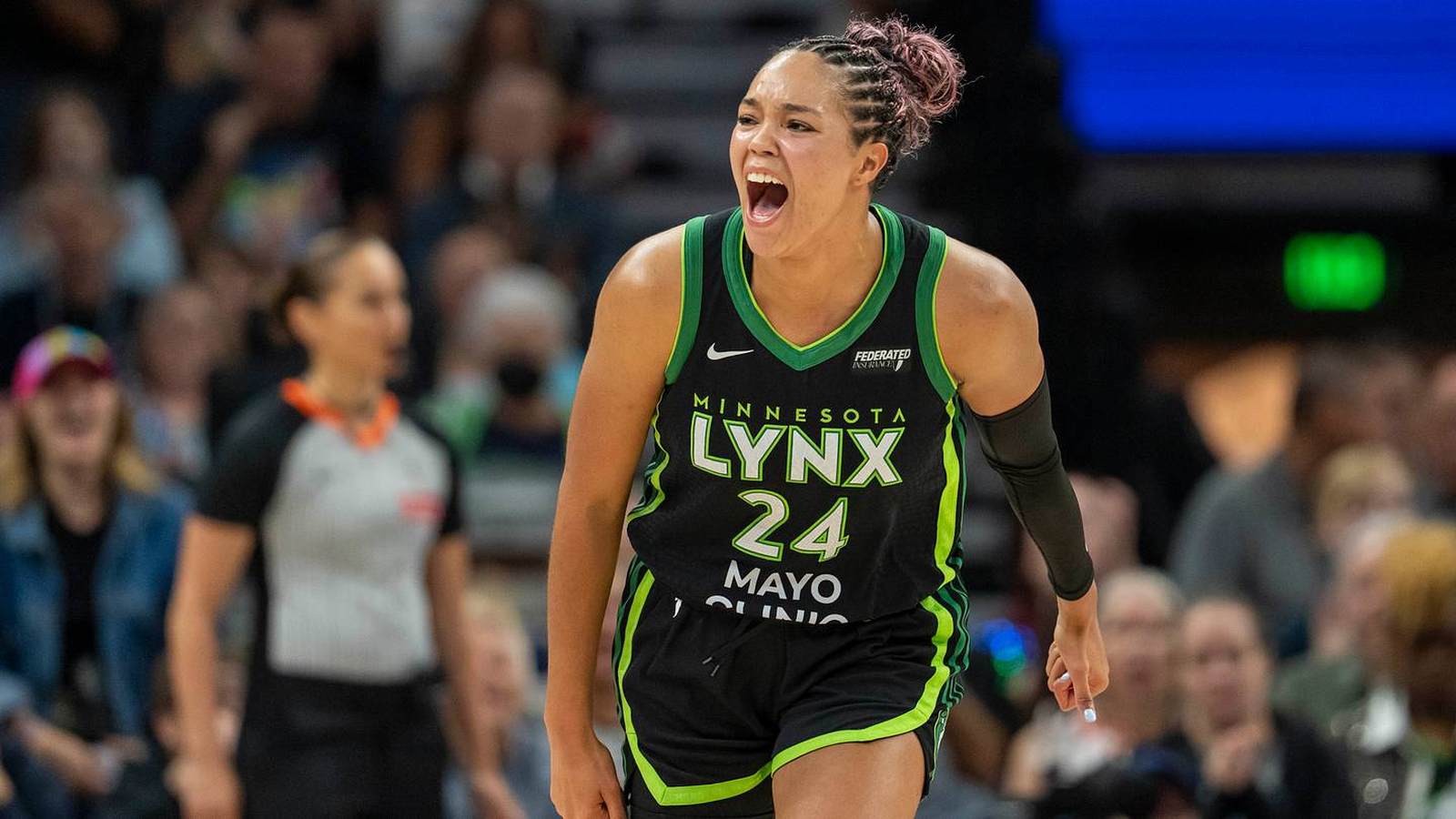
As the 2027 WNBA offseason begins, the status of Napheesa Collier has emerged as the most significant storyline for league analysts and front offices. Collier, a two-time MVP runner-up and the 2024 Defensive Player of the Year, entered the unrestricted free agency period after opting for a one-year, $1.4 million supermax contract ahead of the 2026 season rather than committing to a long-term extension. This decision, reported by Sports Illustrated on November 19, 2026, has fueled speculation regarding her future with the Minnesota Lynx, a franchise she has called home since being drafted in 2019.
The internal dynamics in Minnesota have shifted notably over the past year. Collier faced physical setbacks, including surgery on both ankles, which limited her availability during the 2026 campaign. Concurrently, the Lynx organization secured the second overall draft pick, selecting Olivia Miles, who has been positioned as a new cornerstone for the team’s future. While Collier has publicly expressed her affection for the Minnesota organization, her choice to maintain short-term contractual flexibility suggests a willingness to evaluate options that align with her championship ambitions.
Potential Landing Spots and Roster Stakes
Should Collier decide to test the market, several franchises have been identified as logical destinations based on their current cap flexibility and roster needs. The Golden State Valkyries, fresh off a championship, are frequently mentioned as a landing spot. According to Yardbarker, Collier’s existing chemistry with Gabby Williams—developed through their shared history at UConn and with Fenerbahce—could provide a seamless transition into the Valkyries’ defensive-minded system.
The Indiana Fever represent a high-stakes alternative. Analysts suggest that if the Fever were to experience a roster shift—specifically involving the departure of Kelsey Mitchell—Collier would fill a critical void. Her ability to anchor the frontcourt alongside Aliyah Boston would provide the defensive versatility that Indiana has sought to pair with Caitlin Clark’s offensive output. However, any move to Indianapolis involves navigating the intense media scrutiny and fan discourse that typically surrounds the Fever.
Other franchises, including the Toronto Tempo, the Portland Fire, and the Seattle Storm, are also monitoring the situation. Toronto’s recent lottery success and the prospect of playing under a championship-caliber coach like Sandy Brondello could appeal to Collier. Meanwhile, Seattle offers a potential reunion with former teammate Natisha Hiedeman, providing a veteran presence to stabilize a young core of players including Dominique Malonga and Flau’jae Johnson. The New York Liberty have also been noted as a theoretical destination, though the financial logistics of integrating a $1.4 million salary into their existing cap structure would necessitate significant roster adjustments.
The Economic and Competitive Calculus
The primary driver behind this offseason uncertainty is the intersection of player autonomy and team-building strategies. For the Minnesota Lynx, the challenge lies in balancing the desire to retain a franchise icon with the need to integrate younger talent like Miles. For Collier, the calculus involves finding a system that maximizes her remaining prime years. The 2024 DPOY’s defensive prowess makes her an immediate upgrade for any contender, but the financial requirements of a supermax contract mean that interested teams must be prepared to sacrifice depth to facilitate her arrival.
As of late November 2026, no official decision has been communicated. Collier has maintained that she has not yet had the time to fully evaluate her future, prioritizing her recovery and current obligations. The coming weeks, leading into formal free agency negotiations, will determine whether the Lynx seek to re-sign their cornerstone or if the league is on the verge of a major roster shakeup that could alter the trajectory of multiple championship contenders.