


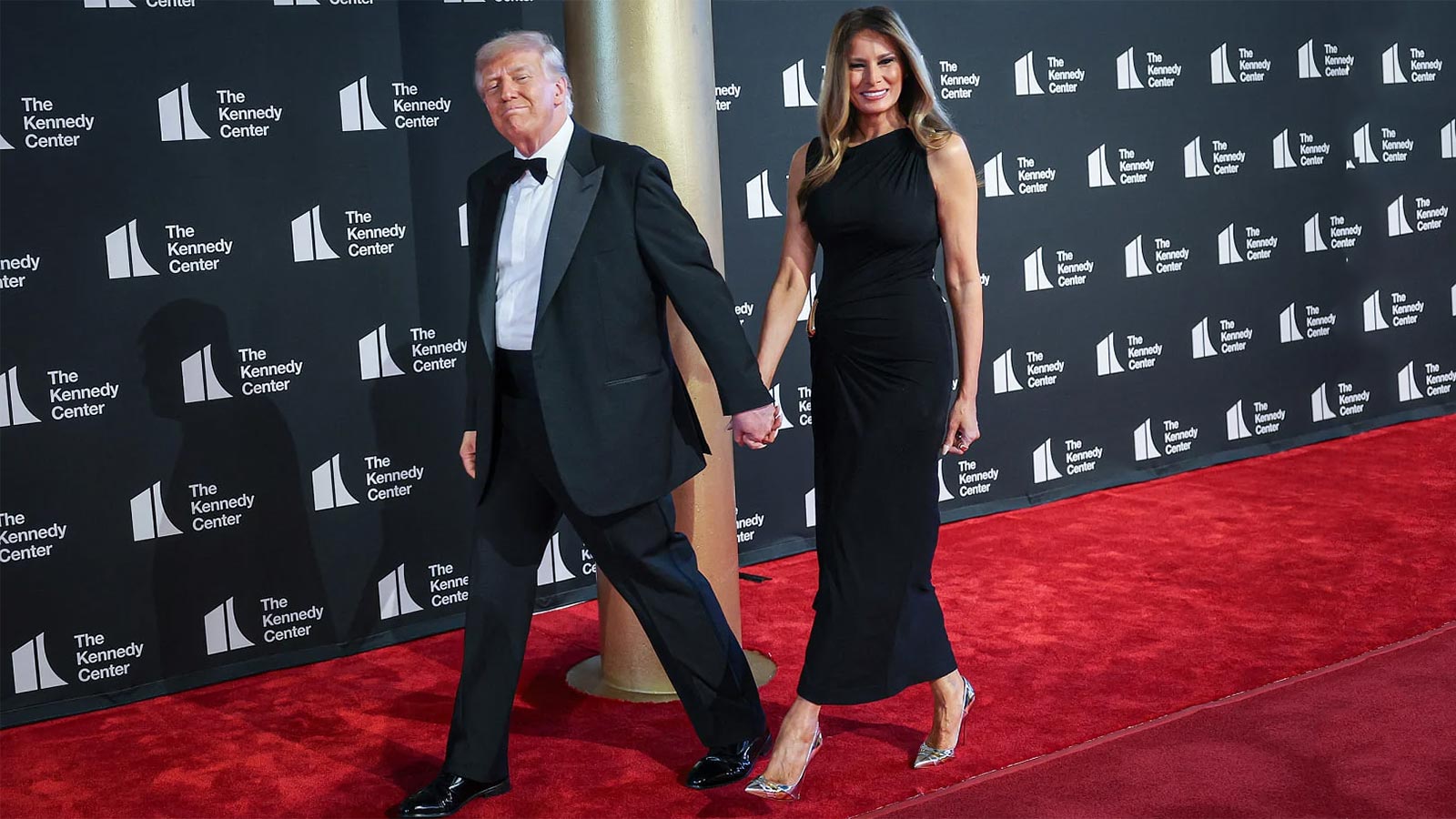
The Kennedy Center for the Performing Arts, a revered cultural institution in Washington D.C., has found itself at the center of a political storm following a proposal by House Republicans to rename its opera house after former First Lady Melania Trump. This move, announced on July 22, 2025, has sparked intense debate on Capitol Hill, reflecting the ongoing cultural and political clashes within the United States.
Details of the Proposal
During a House Appropriations Committee hearing on Tuesday, July 22, an amendment was introduced to rename the Kennedy Center’s opera house in honor of Melania Trump. The amendment is part of a broader bill that outlines fiscal year 2026 funding levels for federal agencies, including the Kennedy Center. Republican Representative Mike Simpson of Idaho, who authored the amendment, cited Melania Trump’s role as honorary chair of the Kennedy Center board as a justification for the proposal. “Naming a theater after her is an excellent way to recognize her appreciation for the arts,” Simpson stated.
However, the Trump administration did not request this renaming. According to Simpson’s communications director, Lexi Hamel, the proposal was independently initiated by the congressman. The opera house, which seats nearly 2,400 people, is one of several iconic spaces within the Kennedy Center. Its current name reflects its association with President John F. Kennedy, a symbol of American cultural and political history.
Criticism and Political Implications
The proposal has faced significant criticism from Democrats. Representative Chellie Pingree of Maine, the ranking Democrat on the subcommittee overseeing the Kennedy Center’s funding, expressed surprise and concern over the amendment. “The Republicans snuck in, I think, something that’s slightly divisive, which is renaming one section of the Kennedy Center after a family member of this administration,” Pingree remarked during the hearing.
The renaming effort is viewed by many as part of a broader push by President $1 Trump to assert control over the Kennedy Center. After regaining the presidency, Trump reshuffled the institution’s board of trustees, appointing allies such as Attorney General Pam Bondi and country singer Lee Greenwood. Trump himself now serves as chairman of the board, while his close associate Richard Grenell acts as the center’s president. These actions have been interpreted as attempts to steer the Kennedy Center away from what Trump describes as “woke culture,” according to CBS News.
Challenges Ahead
Despite its advancement in the House Appropriations Committee, the renaming proposal faces significant hurdles. For the spending bill to pass the Senate, it would require at least 60 votes, necessitating bipartisan support. Given the Democratic majority in the Senate, the likelihood of the amendment surviving the legislative process remains uncertain. Lawmakers have until the end of September to finalize funding measures and avoid a potential government shutdown, adding further complexity to the situation.
Moreover, public opinion on the issue is divided. Supporters argue that the renaming recognizes Melania Trump’s contributions to the arts, while critics see it as a politicized move that undermines the Kennedy Center’s legacy as a nonpartisan cultural institution. The controversy underscores the tension between preserving historical traditions and adapting to contemporary political realities.
Historical Context
The Kennedy Center, established in 1971, was envisioned as a living memorial to President John F. Kennedy, celebrating the performing arts as a cornerstone of American culture. Over the years, it has hosted countless performances, ranging from classical music and opera to modern theater and dance. Renaming any part of the center carries symbolic weight, as it reflects not only the institution’s identity but also the values it seeks to uphold.
The current debate is not the first time the Kennedy Center has been embroiled in political controversies. In recent years, cultural institutions across the United States have faced scrutiny over their roles in addressing societal issues, with some advocating for greater inclusivity and others calling for a return to traditional values.
As discussions continue, the future of the Kennedy Center’s opera house remains uncertain, serving as a microcosm of the broader cultural and political battles shaping the nation.