


Policy Shift Targets Small-Scale Retail
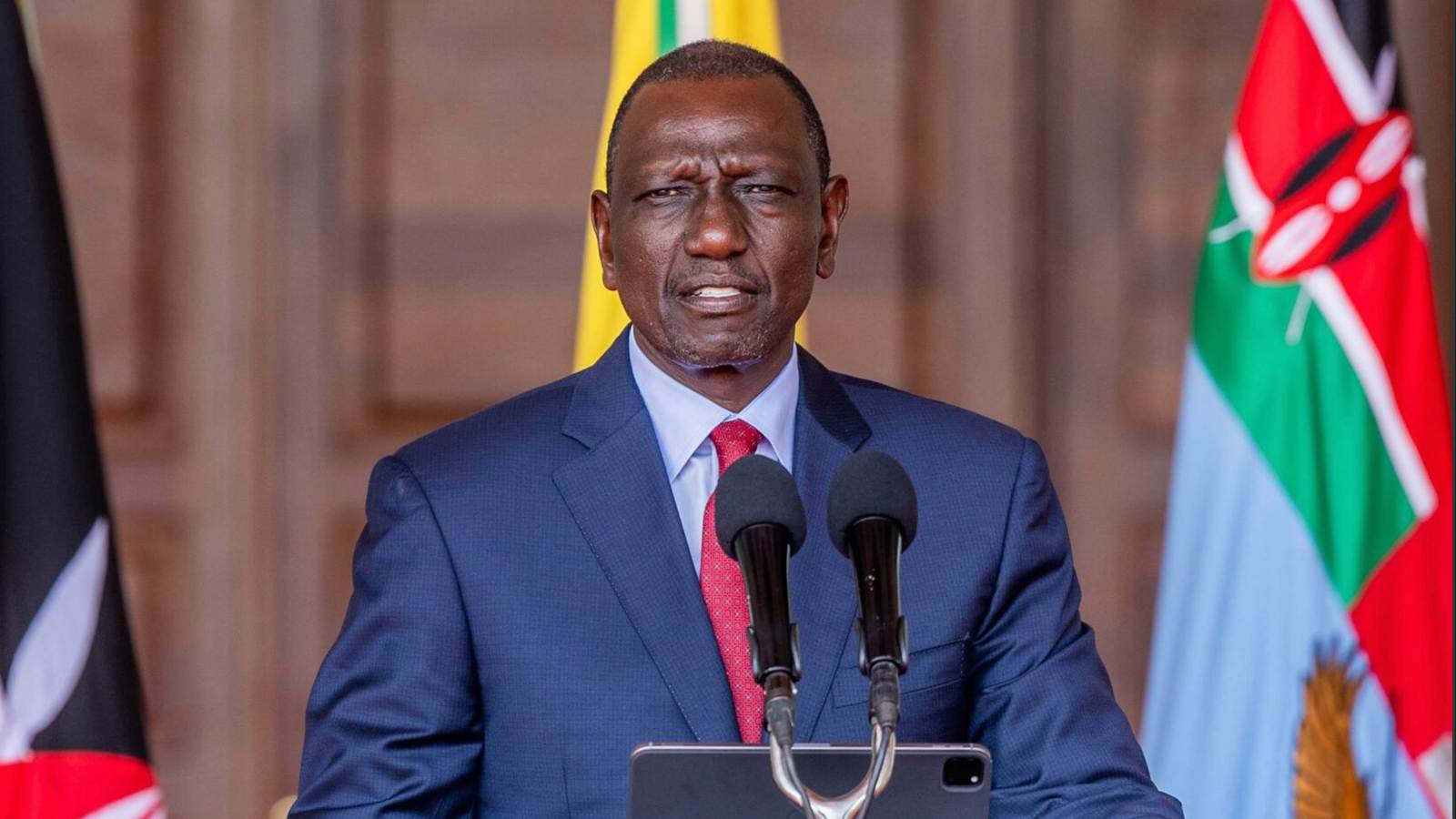
The Kenyan government has initiated a nationwide crackdown on foreign nationals operating small-scale retail shops and engaging in street hawking, following a direct order from President William Ruto. The directive, which took effect on September 7, 2026, aims to reserve entry-level commercial activities for Kenyan citizens, according to Al Jazeera.
President Ruto announced the policy during an address to micro, small, and medium-sized enterprise (MSME) traders at State House in Nairobi on September 2. He argued that foreign investment should be focused on sectors requiring significant capital and industrial capacity, rather than competing with local traders in small-scale commerce. “Foreigners should not compete with Kenyans in businesses such as hawking and small retail,” Ruto stated.
Legislative Context and Enforcement
While the government prepares for the potential enactment of the Local Content Bill, 2025, which would formalize requirements for local sourcing and employment, the current crackdown is being carried out through administrative action. President Ruto has directed National Assembly Majority Leader Kimani Ichung’wah and Trade Cabinet Secretary Lee Kinyanjui to accelerate the legislative process for the bill.
The scope of the enforcement remains a subject of clarification. Foreign Affairs Principal Secretary Korir Sing’Oei noted on September 6 that the directive should be viewed within the context of the proposed legislation. He emphasized that foreign nationals who currently hold valid work permits and comply with existing licensing laws remain protected under the law, suggesting that the president’s remarks were intended to target unauthorized or improperly licensed operations.
Economic Stance on Foreign Investment
The government’s move has sparked a debate regarding the role of foreign capital in Kenya. According to data from the Kenya National Bureau of Statistics (KNBS), the country’s stock of foreign direct investment reached 1.458 trillion Kenyan shillings ($11.27bn) at the end of 2023. While the government seeks to foster local entrepreneurship, analysts warn that the implementation must be predictable to avoid deterring larger foreign investors who contribute to job creation and technology transfer.
Separately, the government is engaged in a dispute with Tata Chemicals Magadi over its soda ash operations. President Ruto has ordered the company to cease operations, alleging a lack of sufficient benefits for the local community in Kajiado County. The company has maintained that it is in compliance with regulatory requirements and is seeking a resolution through legal channels. Government officials have clarified that this industrial dispute is distinct from the policy targeting small-scale retail.