


Impending Transit Reductions
The Panama Canal Authority is preparing for potential further reductions in ship traffic as a strengthening “Super El Niño” climate pattern exacerbates drought conditions in Panama, according to the canal’s administrator, Ilya Espino de Marotta. The canal, which facilitates approximately 5 percent of global maritime trade, has already implemented a series of phased restrictions to manage dwindling freshwater resources in the Gatun and Alajuela lakes.
As of September 4, the daily vessel transit limit was reduced to 34, with a further decrease to 32 scheduled for September 15. Administrator de Marotta confirmed that rainfall totals over the critical period of September through November will dictate whether additional slot reductions are necessary for early 2027. The canal relies on rainfall to replenish the lakes that operate its lock system; each transit consumes approximately 200 million liters (53 million gallons) of water.
Global Impact and Shipping Strains
The restrictions arrive during a period of heightened sensitivity for international logistics. With traffic through the Strait of Hormuz experiencing significant volatility, the Panama Canal has become an even more essential conduit for global trade. Some shipping companies have reportedly paid over $1 million at auction to secure transit slots amid the current bottleneck, according to reports cited by Al Jazeera.
In addition to limiting the number of transits, authorities have lowered the maximum draft for vessels from 15.2 meters to 14.6 meters. This restriction necessitates that ships carry lighter cargo loads to maintain safe clearance, further impacting the efficiency of global supply chains.
Climate Context: A ‘Super El Niño’
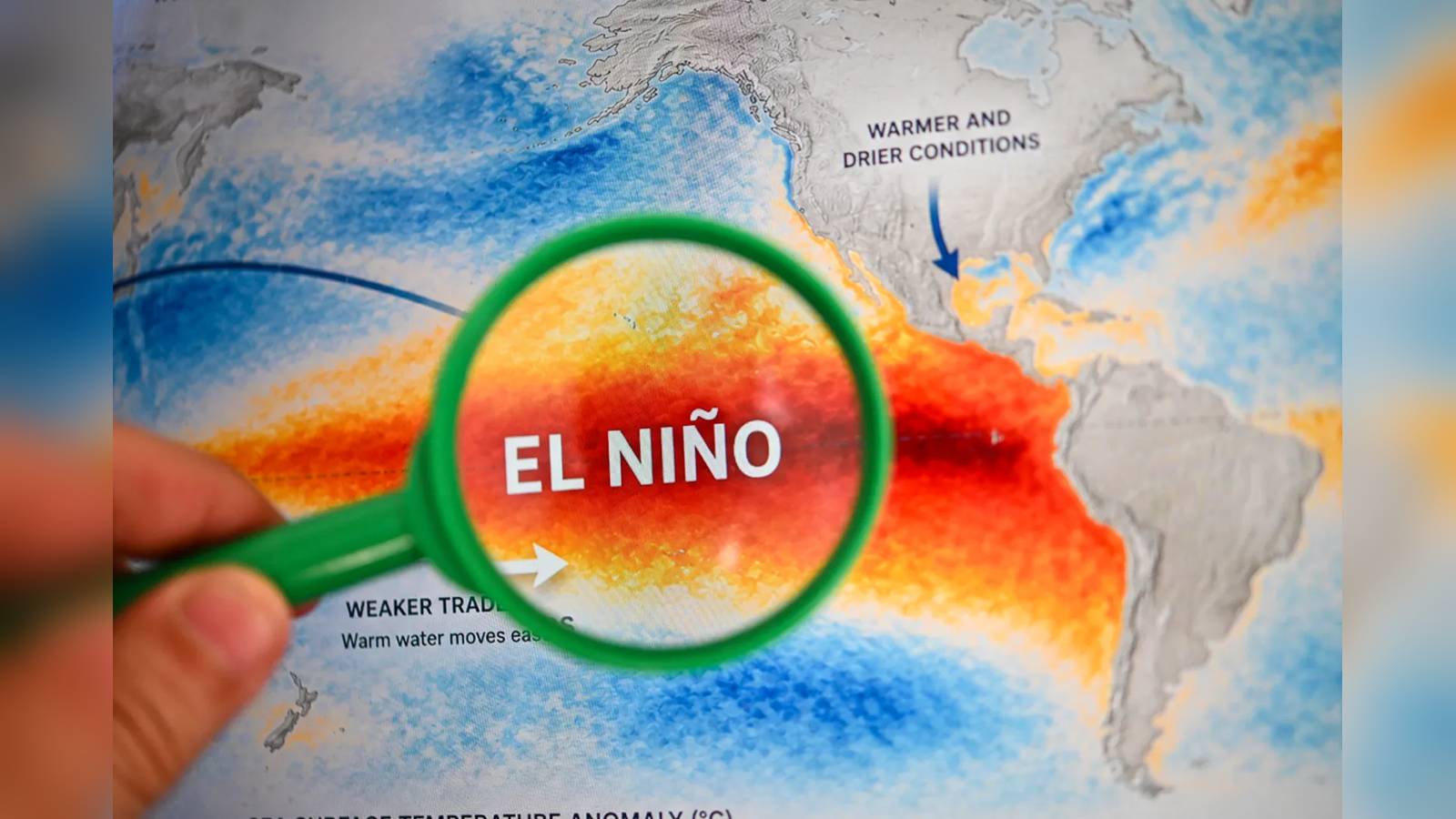
The current El Niño event is projected to be the most intense in four decades, with the National Oceanic and Atmospheric Administration (NOAA) predicting a greater than 90 percent chance of a “very strong” event during the 2026-27 fall and winter seasons. Meteorologist Tony Fracasso of the NOAA Weather Prediction Center noted that while every El Niño cycle differs, the current strengthening of Pacific sea-surface temperatures is expected to drive severe weather patterns globally, including record-breaking heat and shifted storm tracks.
Meteorologist Jeff Berardelli noted on X that this specific episode could peak at temperatures 4.0° Celsius higher than normal, potentially surpassing the records set during the 2015-16 event. As the phenomenon intensifies, Panama has officially declared a nationwide state of emergency, and authorities are currently exploring the development of a new reservoir at the Rio Indio river as a long-term strategy to mitigate water scarcity.