


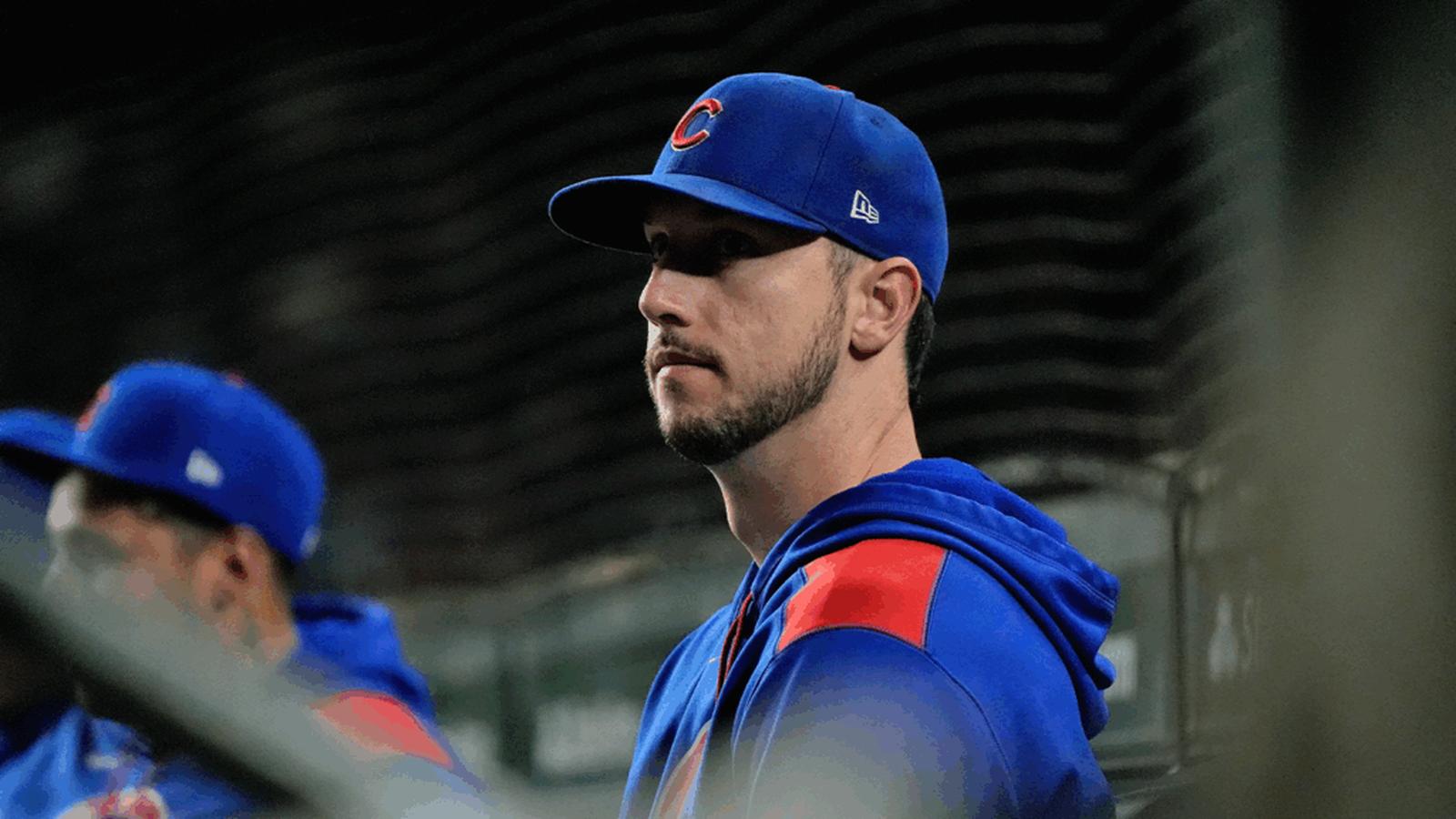
Kyle Tucker’s 2025 Season: Power, Precision, and Pain
When the curtain fell on the 2025 Major League Baseball season, Kyle Tucker’s name was etched into the hearts of Chicago Cubs fans—alongside bruises that told a story of relentless effort and hard knocks. As the free agent market opens, Tucker stands as one of the most intriguing figures on the board, his future shadowed by both promise and uncertainty.
At 28, Tucker had positioned himself as one of the league’s most potent left-handed power hitters. Early in the year, he was a strong MVP candidate. But baseball is a game of attrition, and Tucker’s campaign was derailed by a series of injuries, including a broken finger and a nagging calf strain that kept him sidelined for much of September. Yet, the postseason offered a glimpse of his resilience: back in the Cubs lineup for eight critical playoff games, Tucker hit .259, contributing one home run and one RBI. These numbers were a reflection of his second-half performance—steady, if not spectacular.
From July onward, Tucker managed five home runs and 21 RBIs, showing that even diminished, his bat could still make noise. However, his defensive prowess in the outfield suffered as aggressive base running and repeated fouling balls off his legs and kneecap took their toll. It’s a reminder that the physical demands of a full season can reshape the narrative for even elite players.
Free Agency Calculus: Value vs. Vulnerability
As clubs across the league size up their options, Tucker’s strengths and setbacks form a complicated equation. Scouts praise his plate discipline: “Tucker is one of the most selective hitters in baseball,” an NL Central scout noted, emphasizing his impressive walk rate and ability to minimize strikeouts. This rare blend of patience and power is a premium asset in today’s game.
Yet, the shadow of recent injuries looms large. Tucker’s overall output in 2025 didn’t match his best seasons prior to 2024, and executives must weigh his durability against the cost of a long-term commitment. According to The Athletic’s Jim Bowden, Tucker could command as much as $427 million over 10 years—figures that seem out of reach for the Cubs and many others. More realistic estimates hover in the $30 to $35 million per season range for a shorter contract, reflecting both his talent and the risk profile.
His experience at Wrigley Field was largely positive, with Tucker expressing genuine affection for the fans and his teammates. However, his home stats at Wrigley were modest: seven home runs, 36 RBIs, and a .236 batting average. “We will see what happens,” Tucker said when asked about a possible return to the Cubs. “I don’t know what the future is going to hold. But if not, it was an honor playing with all of these guys and I wish them the best of luck. Whether I’m playing with them or not, it was a fun group to be a part of.”
The Cubs’ Dilemma: Tucker, Schwarber, or Bellinger?
The Cubs’ front office faces a crossroads as they consider their options for the 2026 season. Tucker isn’t the only name in play; Kyle Schwarber and Cody Bellinger are also part of the free agent conversation, each bringing their own brand of power and versatility.
Schwarber, a Chicago legend and World Series hero, had a career year in 2025, leading the National League with 56 home runs and 137 RBIs. At age 33, he remains a fan favorite, and there is palpable excitement around the possibility of his return. His leadership and charisma offer intangible value, and the Phillies are reportedly eager to retain him, even as other teams prepare to bid.
Bellinger, meanwhile, found new life with the Yankees after the Cubs traded him last winter. Playing four positions and posting a .272 average with an .813 OPS, Bellinger’s versatility makes him an attractive option for clubs seeking flexibility and defensive reliability. His decision to opt out of his contract adds another layer of intrigue to the free agent market.
For the Cubs, choosing between these three sluggers is more than a question of numbers—it’s about identity, risk tolerance, and the vision for the next era of Chicago baseball.
Market Realities and Tucker’s Next Chapter
The MLB free agency market is notoriously unforgiving, especially for players with recent injury histories. While Tucker’s ceiling remains high, teams will scrutinize his durability. The competitive bidding process is expected to be fierce, with the possibility that Tucker’s next contract may not be with the Cubs, despite his appreciation for the organization and city.
League insiders suggest Tucker’s unique combination of selectivity, power, and postseason experience will keep him in high demand, but the final decision will hinge on how much risk teams are willing to accept. As Cubs president of baseball operations Jed Hoyer emphasized, the organization aims to create an environment where players want to stay—but financial and strategic realities may dictate otherwise.
In Tucker’s own words, the experience leaves him “wanting more.” The hunger to improve, to recover, and to contribute at the highest level remains palpable. As winter unfolds and negotiations begin, Tucker faces a future filled with possibilities—each shaped by the lessons and scars of 2025.
Assessment: Kyle Tucker’s free agency embodies the delicate balance between potential and uncertainty that defines modern baseball contracts. His proven skills and postseason grit are undeniable assets, but recent injuries have introduced an element of risk that teams cannot ignore. The final outcome will reflect not just Tucker’s talent, but also the evolving priorities and risk strategies of MLB front offices in 2025.