


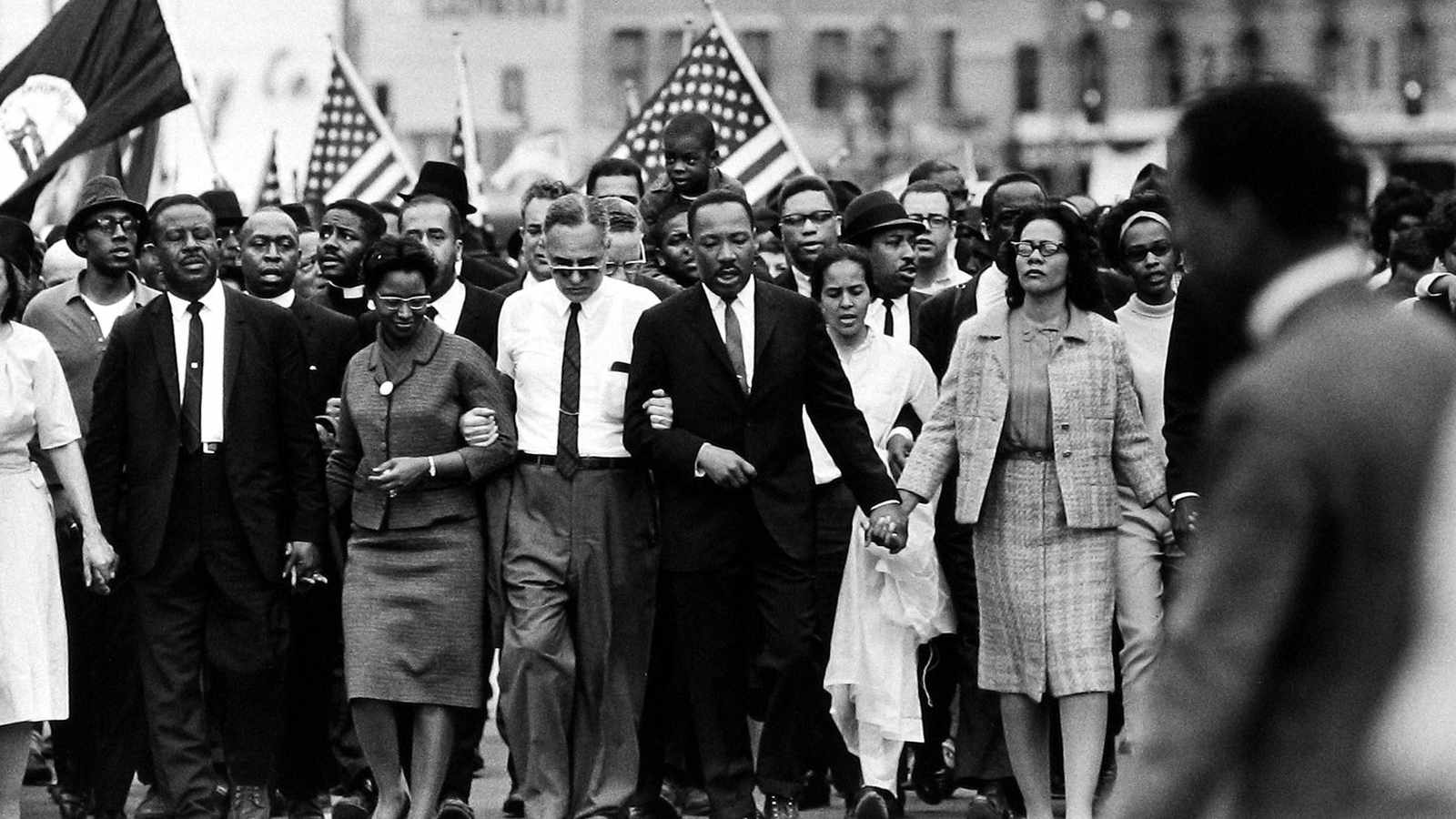
A recent examination of American history highlights the essential role of peacebuilders—individuals who, often without traditional institutional power, have steered the course of societal change. As noted in a recent perspective published by the Hartford Courant, these figures range from suffragists to military whistleblowers, each addressing the root causes of injustice and conflict.
Among the notable figures, Alice Paul is recognized for her leadership in the 20th-century women’s rights movement. Her organization of the March 3, 1913, Suffrage Parade in Washington D.C. involved over 5,000 participants and served as a critical catalyst for the passage of the 19th Amendment in 1920. Her work demonstrated that peaceful, organized protest could effectively challenge established legal systems.
The historical record also includes Major General Smedley Darlington Butler, a highly decorated Marine Corps officer who became a vocal critic of U.S. interventionism following his retirement in 1935. In his book, War Is a Racket, Butler argued that corporate interests frequently drove military conflict at the expense of public welfare and human life. His advocacy in the 1930s serves as an early example of institutional critique from within the military establishment.
Furthermore, the influence of figures such as the Vietnamese monk Thích Nhất Hạnh, who collaborated with Dr. Martin Luther King Jr. to advocate against the Vietnam War, and the “Peace Pilgrim” Mildred Lisette Norman, who walked 25,000 miles across the U.S. to promote peace, underscores a diverse tradition of nonviolent advocacy. These activists remain central to discussions on how individual commitment can influence global ethics and policy outcomes.