


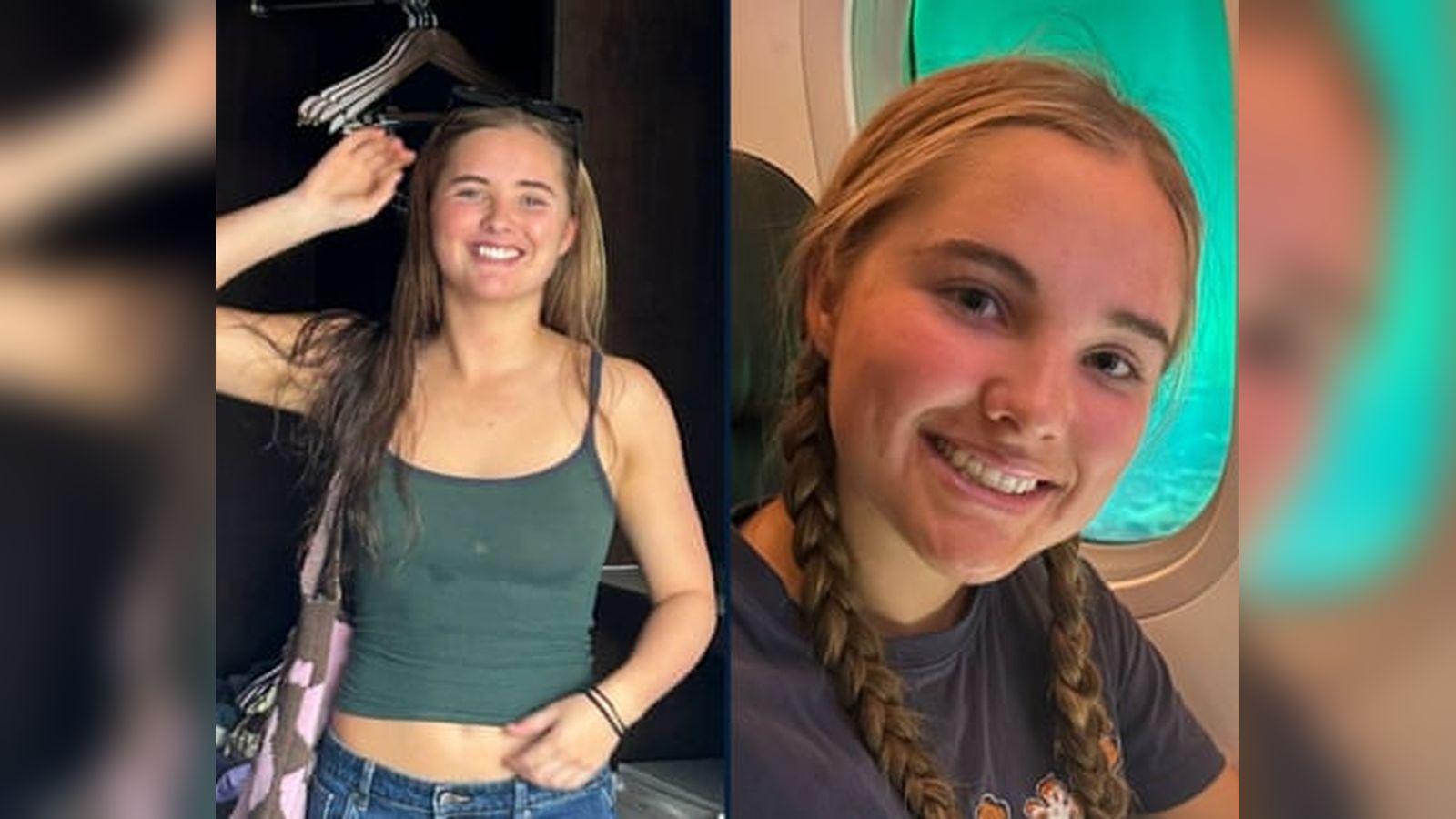
An intensive eight-day multi-agency search for missing 18-year-old hiker Lily Hooper came to a devastating end in New South Wales when search crews discovered her body in a remote, heavily forested section of Nattai National Park. However, the tragic outcome was immediately compounded by a severe breakdown in emergency communications that saw state officials, including Premier Chris Minns, briefly announce to parliament and the public that the teenager had been found alive.
The incident has exposed critical vulnerabilities in how real-time operational field updates are transmitted from isolated search zones to command posts, senior officials, and grieving families. What began as a moment of profound relief turned into immense heartbreak within minutes, prompting formal apologies from police leadership and calls for an exhaustive review into emergency messaging protocols during high-stakes search operations.
The Timeline: Eight Days in Severe Terrain
Lily Hooper set out from her Sydney home on Wednesday, August 12, 2026, planning a day hike along the Bonnum Pic walking trail in the Nattai National Park, located approximately 90 kilometres south-west of Sydney in the state’s Southern Highlands. Text messages sent from the trail earlier that morning indicated she had reached the mountain summit by mid-morning. Alarm was raised late that evening when she failed to return home by her planned 10:00 PM arrival time.
Emergency responders located Hooper’s parked vehicle near the trailhead on Wanganderry Road at High Range later that night, initiating a massive search effort. Over the subsequent week, nearly 1,000 personnel participated in operations across steep ridges, dense scrub, and difficult gorges. The multi-agency deployment involved specialized NSW Police Force units—including PolAir, the Rescue Unit, Trail Bike Unit, Mounted Unit, and Dog Unit—alongside the State Emergency Service (SES), Rural Fire Service (RFS), Fire and Rescue NSW, and the National Parks and Wildlife Service.
As harsh weather conditions hampered ground efforts over the weekend, the operational footprint was expanded. By Wednesday, 100 Australian Defence Force (ADF) personnel were deployed to bolster the search alongside 260 SES bush search and rescue specialists who had been rotating through the area since Saturday.
Ten Minutes that Disrupted a Crisis Response
The tragedy reached a pivotal moment at approximately 11:30 AM local time on Thursday, August 20, when an SES ground team located Hooper off the main trail in dense bushland, a significant distance from her vehicle. Utilizing hand-held radio equipment in thick terrain, the field team initially dispatched a report indicating that the teenager was alive.
That initial field message moved rapidly through official channels. Hooper’s parents, who were being briefed at the search command post in Moss Vale, were told their daughter had survived. Police officials notified media outlets that a hiker had been found, and NSW Premier Chris Minns delivered an emotional update directly to a parliamentary hearing, stating that Hooper had been found alive with half a bottle of water remaining.
However, within ten minutes of the original transmission, field personnel relayed a corrected report confirming that Hooper was deceased. Premier Minns was forced to interrupt the parliamentary proceedings shortly thereafter to retract his statement, telling lawmakers: “I’ve got some terrible news. I apologise … Lily’s body has been found.” Minns later issued a statement explaining he had acted on advice he genuinely believed to be true, expressing profound sorrow for adding to the family’s pain.
Institutional Accountability and Radio Communications
Speaking at a press conference in Moss Vale on Thursday afternoon, NSW Police Assistant Commissioner Joe Cassar acknowledged the profound impact of the erroneous report, stating, “There’s no playbook to communication,” while explaining that search crews were working under extreme physical and technical constraints in dense bushland. Cassar noted that while officers sought to keep the family informed in real time, the limitations of field communications prevented immediate secondary verification before the initial report spread.
NSW Police Commissioner Mal Lanyon delivered an unreserved apology to the Hooper family, describing the error as a tragedy born out of initial elation among search crews that quickly collapsed into devastating deflation. Lanyon affirmed that while personnel acted with noble intent during a emotionally charged moment, the breakdown highlighted a clear need to examine operational reporting chains.
Federal and state leaders also reflected on the broader impact of the event. Prime Minister Anthony Albanese addressed Parliament, describing Hooper’s death as an “unspeakable tragedy” that resonated across the country, while local MP Angus Taylor emphasized the emotional toll inflicted on the family by the false report of her survival.
Next Steps: Coronial Inquiry and Extraction Operations
Due to the rugged topography of Nattai National Park, emergency services confirmed that aerial retrieval of Hooper’s body via rescue helicopter was impossible. Specialized teams commenced an arduous extraction operation on foot to transport her body out of the wilderness.
A formal investigation has been launched by criminal investigators from the Hume Police District. A comprehensive report will be prepared for the NSW Coroner, which will officially establish the cause, time, and circumstances of Hooper’s death. Critically, police confirmed that the coronial inquiry will also encompass a full examination of the search operations and the communication breakdowns that led to the false public reports. The findings are expected to inform future protocols regarding how unverified field updates are managed during complex multi-agency rescue missions.