


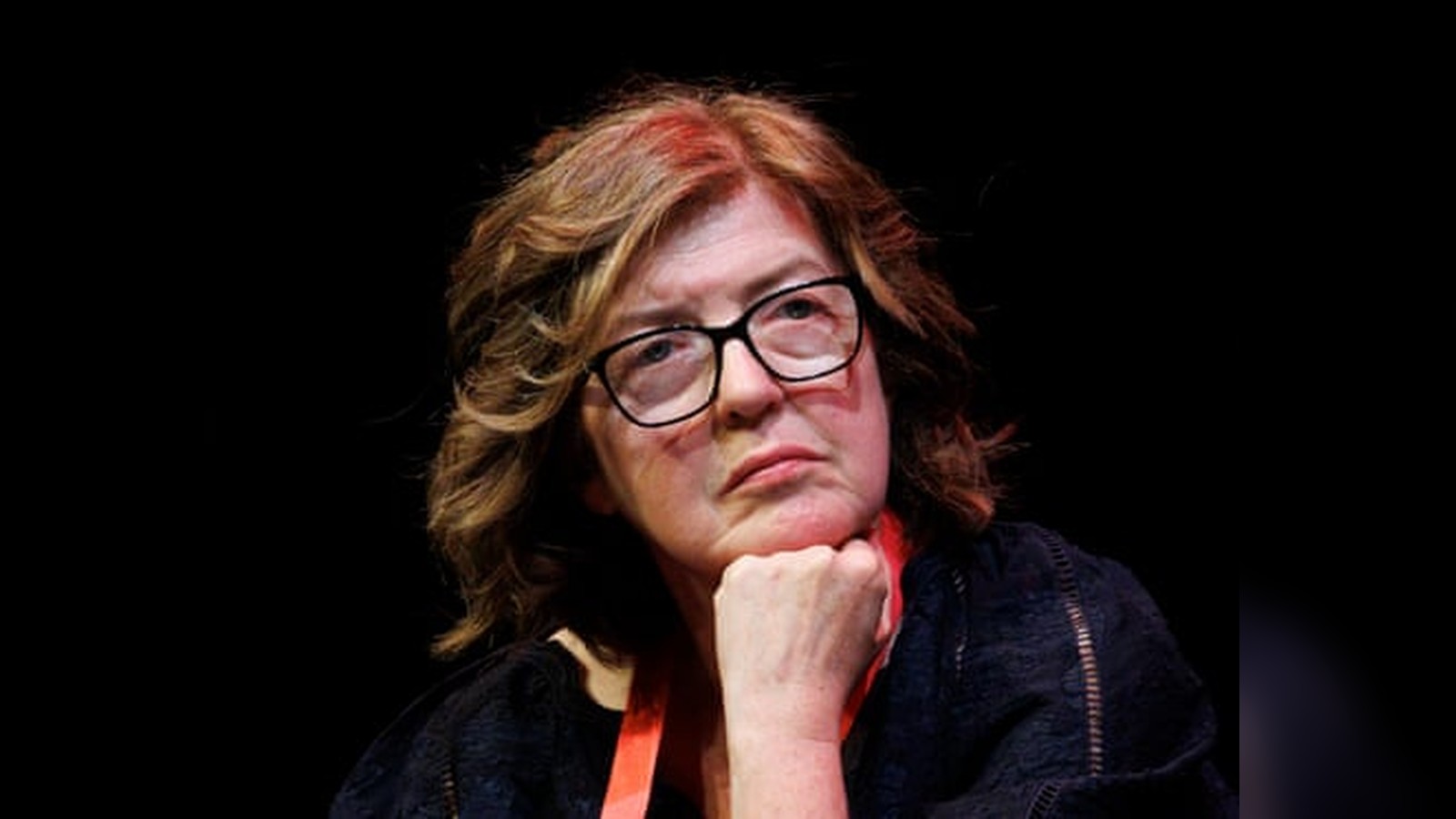
In her first major public interview since her high-profile resignation, Sue Gray, the former chief of staff to British Prime Minister Keir Starmer, has delivered a scathing assessment of the working environment inside Downing Street. Speaking to the Political Currency podcast in an interview shared with The Guardian, Gray described the atmosphere under Starmer’s leadership as “definitely unbearable,” revealing that the level of internal hostility was so severe she feared her private conversations were being recorded by colleagues looking to leak them to the press.
Gray’s decision to go public turns what was already a highly damaging quiet exit into a major political liability for the Labour administration. Her remarks offer an unprecedented look into the early, chaotic days of Starmer’s government, characterized by bitter infighting, anonymous briefings, and accusations of an exclusionary “boys’ club” operating at the heart of British power.
A Culture of Paranoia and Hostile Briefings
Before resigning in late 2024, Gray was regarded as the most powerful non-elected figure in Downing Street, tasked with transitioning the Labour Party from opposition into government. However, her short four-month tenure was plagued by persistent, hostile leaks to the media. These briefings targeted her salary—notably pointing out it was higher than the Prime Minister’s—and portrayed her as having highly dysfunctional relationships with other senior aides, including Starmer’s chief political strategist, Morgan McSweeney.
Addressing specific leaks, such as a widely reported story that she had attempted to move McSweeney’s desk further away from the Prime Minister, Gray clarified that her intentions had been distorted. “Actually, that was a genuine… ‘I can’t believe so many of you are going to sit in this small room. Let’s find a better room for you,’” she explained. According to Gray, the environment deteriorated to a point where basic professional trust evaporated: “It just got to the point where you know everything you say, you feel somebody is recording it.”
Crucially, Gray expressed deep disappointment in Starmer’s handling of the toxic workplace culture. Despite raising the issue of targeted press briefings with the Prime Minister on multiple occasions, she noted that Starmer failed to take decisive action. “I talked to him a couple of times about it… but I was disappointed that not more was done because I think it could have been done,” she stated, emphasizing that the hostile atmosphere ultimately took a severe toll on her personal and professional life.
The ‘Boys’ Club’ Debate and Internal Pushback
Gray’s testimony aligns with previous complaints from other high-profile women within the Labour administration, indicating a broader systemic issue. Deputy party leader Lucy Powell has previously criticized a “boys’ club” culture in No 10, marked by “anonymous nasty briefings” directed primarily at female staff. Furthermore, Health Secretary Yvette Cooper recently used the same podcast to accuse Starmer’s team of sidelining her during her tenure as Home Secretary during the launch of a major immigration policy.
However, Gray’s account has met with sharp resistance from other female officials who worked in Downing Street during the same period. One senior female adviser rejected the narrative of a coordinated campaign against Gray, attributing the friction instead to Gray’s own management style. “She was literally clapped in with genuine excitement about her experience. But she quickly undermined herself. It didn’t need to be this way, she wrote her own story,” the adviser remarked, describing Gray’s fears of being recorded as “precisely the kind of paranoia” she brought into the building.
Another former female adviser warned that the ongoing public recriminations are actively damaging the government’s standing. “There have been damaging implications from that divisiveness; two and a half years on, the new prime minister is being asked about it, costing him time and energy, and the Labour government’s reputation,” she said.
The Caliber of Governance: The ‘Bigger People’ Critique
Beyond the personal friction, Gray offered a strategic critique of Starmer’s administrative apparatus, suggesting that his team lacked the necessary stature to govern. Reflecting on the transition from opposition to power, Gray remarked: “I think government and opposition are very different… I do think that we needed bigger people, people with bigger experience to be heads of, whether it was comms or policy or strategy.”
This “bigger people” comment directly challenges the competence of Starmer’s inner circle, implying that the administration relied too heavily on campaign-era loyalists rather than seasoned institutional leaders. It also serves as a defense of her own contested record in preparing the party for office. While Starmer’s allies have previously blamed Gray for failing to lay adequate groundwork for their first 100 days, Gray insisted that substantial preparation was done—including key diplomatic outreach to the US administration and the European Commission—but argued that media execution was undermined by delays in confirming key communication roles.
Political Consequences for a Fractured Administration
The public airing of these grievances comes at a delicate time for Starmer, who has overseen significant staff turnover since entering office. McSweeney, who succeeded Gray as chief of staff, was himself forced to resign following controversy surrounding the appointment of Peter Mandelson as US ambassador. Starmer has since admitted that appointing Gray—a former senior civil servant who led the high-profile Partygate inquiry—was a mistake.
Currently sitting as a Labour peer, Gray indicated she has no immediate plans to return to a formal government role, stating she is “enjoying herself outside government.” Nevertheless, her public intervention ensures that the debate over Starmer’s leadership style, the internal culture of Downing Street, and the competence of his core team will continue to shadow his administration.