


Strategic Evacuation Planning
Lithuania has formalized a comprehensive evacuation strategy to safeguard its population against potential military or civilian threats, according to reporting by Newsweek. The plan, which received government approval in July, emphasizes that evacuation processes must be initiated well before the onset of immediate hostilities to be effective.
Žygimantas Solovyovas of Vilnius’s Civil Defense Department clarified that residents should not rely on the assumption that major thoroughfares will remain accessible during active shelling. Instead, the government aims to establish a controlled, predictable process for moving civilians. For residents of Vilnius, the current strategy identifies three primary evacuation routes: two directed north and west within Lithuanian territory, and one specifically designated for transit through Poland’s Podlaskie province. Local government authorities in the Podlaskie region are reportedly coordinating with Lithuanian counterparts to integrate these transit corridors into regional emergency frameworks.
Institutional Readiness and Defense
The Ministry of the Interior estimates that approximately 75% of the population possesses the capacity to evacuate independently. To support the remaining quarter, municipalities have been tasked with organizing assistance for vulnerable groups, including the elderly, individuals with disabilities, and families with young children. In scenarios involving active combat or shelling, the official guidance shifts from evacuation to seeking protection in pre-designated shelters.
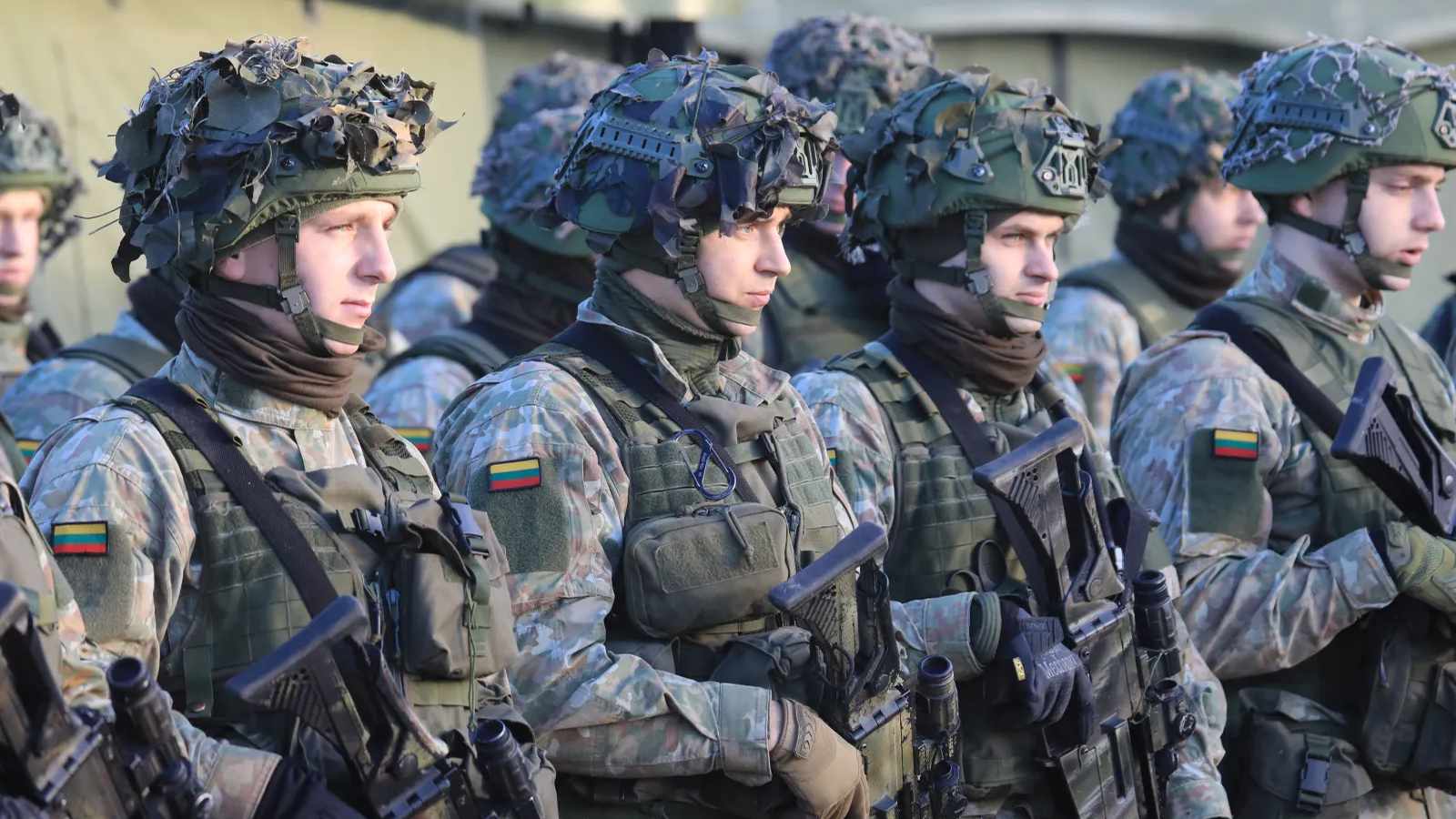
This civil defense initiative coincides with broader defensive adjustments along NATO’s eastern flank. Lithuanian Defense Minister Robertas Kaunas confirmed that the state is expanding physical fortifications along its borders with Belarus and the Russian enclave of Kaliningrad. These defensive measures, designed to restrict adversary maneuverability, are being installed at varying depths of 5, 20, and 50 kilometers from the border. The urgency of these measures has been underscored by recent security incidents, including the interception of an explosive-laden drone that entered Lithuanian airspace from Belarusian territory.
Regional Security Context
The cooperation between Vilnius and Warsaw reflects mounting concern among Baltic and Eastern European leaders regarding regional stability. Prime Minister Donald Tusk of Poland recently briefed his parliament on intelligence shared by NATO allies, the U.S., and Ukraine, which suggests a growing risk that Russia may deploy drones or missiles into countries supporting Ukraine. As a result, neighboring Latvia is also bolstering its security posture; the German Ministry of Defense announced that four Eurofighter jets will be deployed to Lielvārde Air Base for a week-long rotation to secure Latvian airspace during the upcoming election period.