


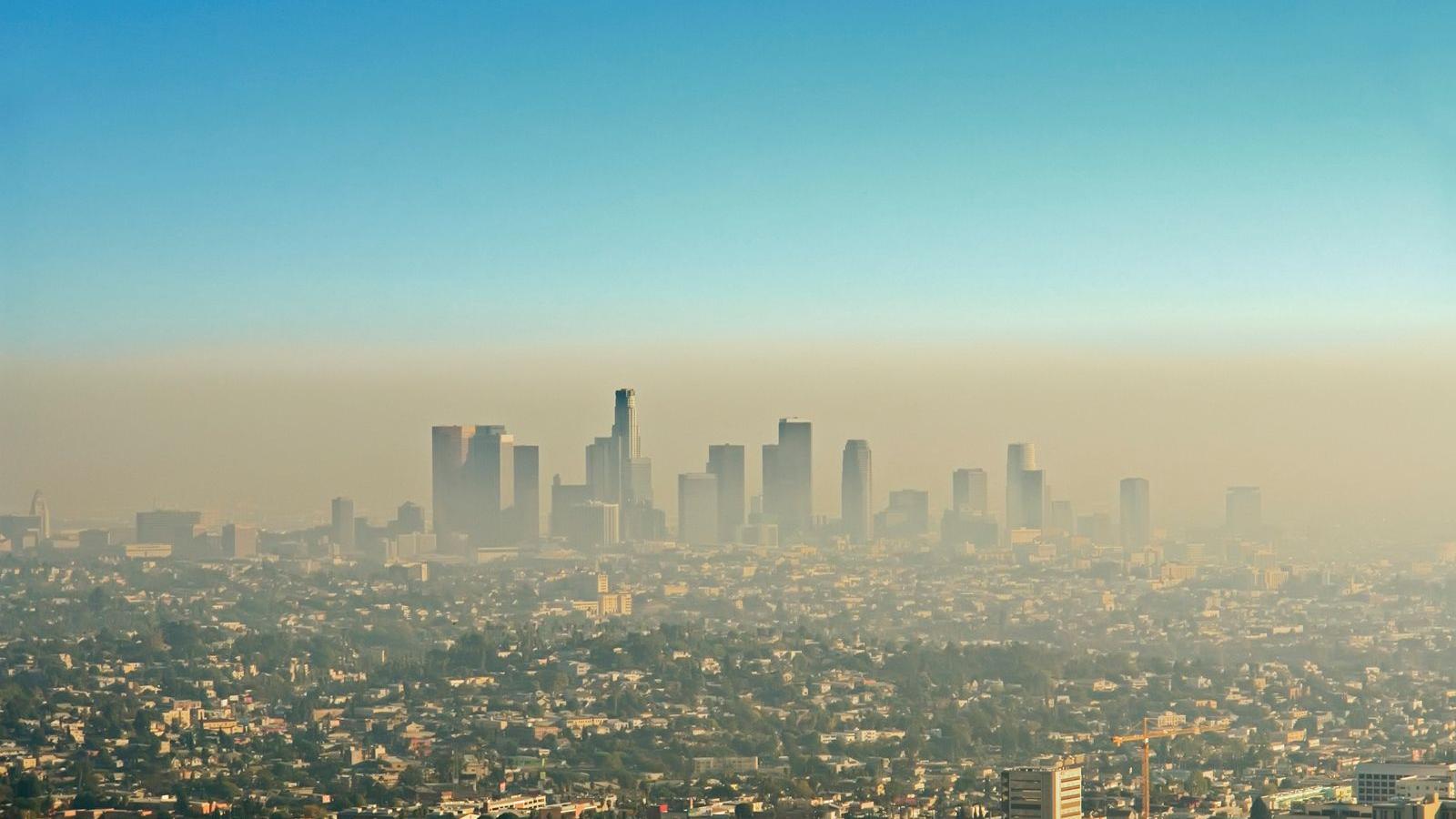
Active Air Quality Alert
The National Weather Service (NWS) has issued an official air quality alert for Los Angeles County, citing elevated levels of ground-level ozone. The alert, which was initiated on Wednesday, July 22, 2026, at 5:20 p.m., is scheduled to remain in effect until Monday, July 27, 2026, at 8:00 p.m.
According to the NWS Los Angeles/Oxnard office, the advisory covers a significant portion of the county, specifically impacting the San Fernando Valley, San Gabriel Valley, and Santa Clarita Valley. Other areas under the alert include the Eastern and Western San Gabriel Mountains, the Santa Susana Mountains, and the Highway 14 corridor near the 5 Freeway.
Health and Safety Guidance
Ground-level ozone is a colorless gas formed by chemical reactions between nitrogen oxides (NOx) and volatile organic compounds (VOCs) in the presence of sunlight. Because the region is currently experiencing high temperatures, the rate of ozone formation increases, posing risks to public health.
Health officials advise that residents, particularly children, seniors, and individuals with pre-existing respiratory conditions such as asthma or chronic obstructive pulmonary disease (COPD), should prioritize indoor activities. Reducing exposure is the primary defense against the adverse effects of ozone, which can irritate the respiratory system, cause coughing, and trigger asthma attacks.
Mitigation and Prevention
The NWS has provided specific recommendations to help mitigate the spike in pollutants during this multi-day event:
- Limit Outdoor Activity: Restrict time spent outside to essential tasks only.
- Reduce Pollution Sources: Minimize the use of vehicles, gas-powered lawnmowers, and other motorized equipment that contribute to NOx and VOC emissions.
- Cease Open Burning: Do not burn debris or other materials, as these actions exacerbate air pollution levels.
- Stay Informed: Monitor official channels, including NOAA Weather Radio or local news outlets, for real-time updates and changes to the air quality index (AQI) in specific neighborhoods.
This alert coincides with the broader regional challenge of air quality management in Southern California. According to recent environmental reporting, the Los Angeles metropolitan area continues to rank among the most ozone-polluted regions in the United States, a trend that persists despite ongoing regulatory efforts to curb vehicle and industrial emissions.