


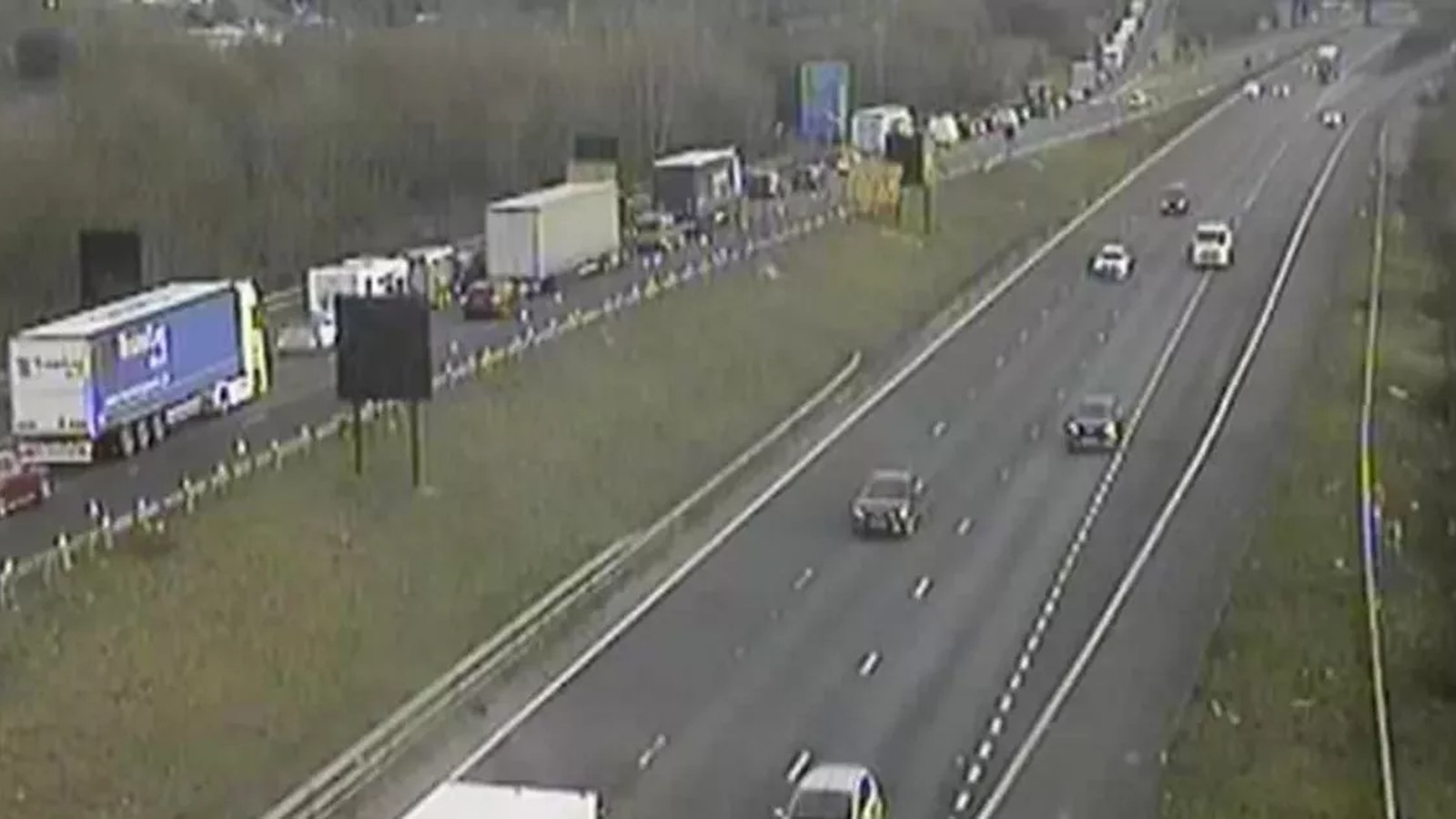
M20 Crash Shuts Down Motorway, Sparks Major Delays
Tuesday morning, December 16, 2025, started like any other for drivers heading eastbound on the M20 in Kent. But by 11am, their journeys were upended. A van collided with the nearside barrier between Junctions 8 (Hollingbourne) and 9 (Ashford), unleashing a sprawling 100-metre oil spill across the carriageway. The result? Traffic chaos that rippled through the county, leaving thousands stuck in extended queues and forcing emergency teams into action.
Emergency Response: Oil Spill and Hospitalisation
Within minutes, the South East Coast Ambulance Service arrived on scene. They treated one man, who was then transported to William Harvey Hospital for further care (Kent Live, Express, Mirror). Meanwhile, National Highways quickly closed the eastbound stretch of the motorway to prevent further accidents and began coordinating a complex clean-up operation. Traffic officers and contractors set to work, scrubbing the tarmac and checking the safety of the entire affected section before reopening it to vehicles.
But road safety doesn’t happen at the snap of a finger. The essential clean-up, especially after such a large oil spillage, meant the eastbound carriageway remained closed for hours. Drivers approaching the closure faced delays of up to 90 minutes, with congestion stretching seven miles at its worst. Even westbound traffic was affected: one lane was shut between Junctions 9 and 8 due to the damaged barrier, causing 45-minute delays in that direction.
Impact on Drivers: Congestion and Diversions
For many, the crash’s impact extended far beyond the immediate motorway. Surrounding routes around Maidstone, including the A20 and Detling Hill, saw heavy congestion as motorists sought alternatives. National Highways advised all drivers to “plan ahead,” warning that three-mile queues and 45-minute delays were the new normal for anyone hoping to traverse the M20 during rush hour (Express, Mirror). Google Maps and traffic monitoring site Inrix painted a picture of slow-moving vehicles stretching back to Junction 7.
To ease the burden, diversion routes were activated. Eastbound drivers were instructed to follow the hollow circle symbol on road signs: exit at Junction 8, take the third exit at the roundabout, then the first exit onto the A20. From there, motorists were directed to Fougeres Way, which turns north to reconnect with the M20 at Junction 9. Yet, even with diversions in place, the delays proved stubborn, with traffic inching along and tempers fraying as drivers recalculated their journeys.
Rush Hour Ripple Effect: Maidstone and Beyond
The M20 isn’t just any motorway—it’s a vital artery linking London, Maidstone, and Ashford, and serving as a key route to the Channel Tunnel. Its sudden closure sent shockwaves through the region’s transport network. Delivery schedules were thrown off, commuters missed appointments, and local businesses braced for disrupted trade. Even after the eastbound carriageway was reopened, National Highways cautioned that congestion would linger as traffic officers continued safety checks and repairs on the damaged barrier.
As evening approached, the situation slowly improved. National Highways updated motorists that the eastbound road would reopen shortly, but not before warning of lingering delays and congestion. Some drivers faced a snail’s pace for hours, a reminder of how a single crash can disrupt thousands of lives in a densely trafficked corridor.
Lessons Learned: Safety and Preparedness
This incident highlights the fragile balance of road safety and infrastructure in the UK. A single van crash, compounded by an oil spill, revealed the vulnerabilities of major motorways during peak hours. The rapid response from emergency services and traffic officers prevented further injuries, but the disruption underscored the need for better contingency planning, especially when hazardous materials are involved.
National Highways’ call for drivers to “plan ahead” was more than a routine warning—it was a reminder of the unpredictable nature of modern travel. Whether it’s a minor accident or a major spill, the knock-on effects can be immediate and widespread. For commuters, delivery drivers, and families on the move, adaptability has become a daily necessity.
As the clean-up crews finished their work and the last cones were removed, the M20 incident faded from the headlines. But for those caught in the congestion, the memory lingers—a cautionary tale of how quickly the ordinary can turn extraordinary on Britain’s roads.
Assessment: The M20 crash and subsequent oil spill serve as a vivid reminder of the interconnectedness of transport infrastructure and daily life in the UK. While emergency services responded swiftly and professionally, the extended delays and ripple effects show just how critical proactive road safety measures and clear communication are for both authorities and the public. The incident underscores the importance of resilience and preparedness in managing unexpected disruptions, ensuring that even in the face of chaos, recovery is possible.