


The Collision of Entertainment and Advocacy
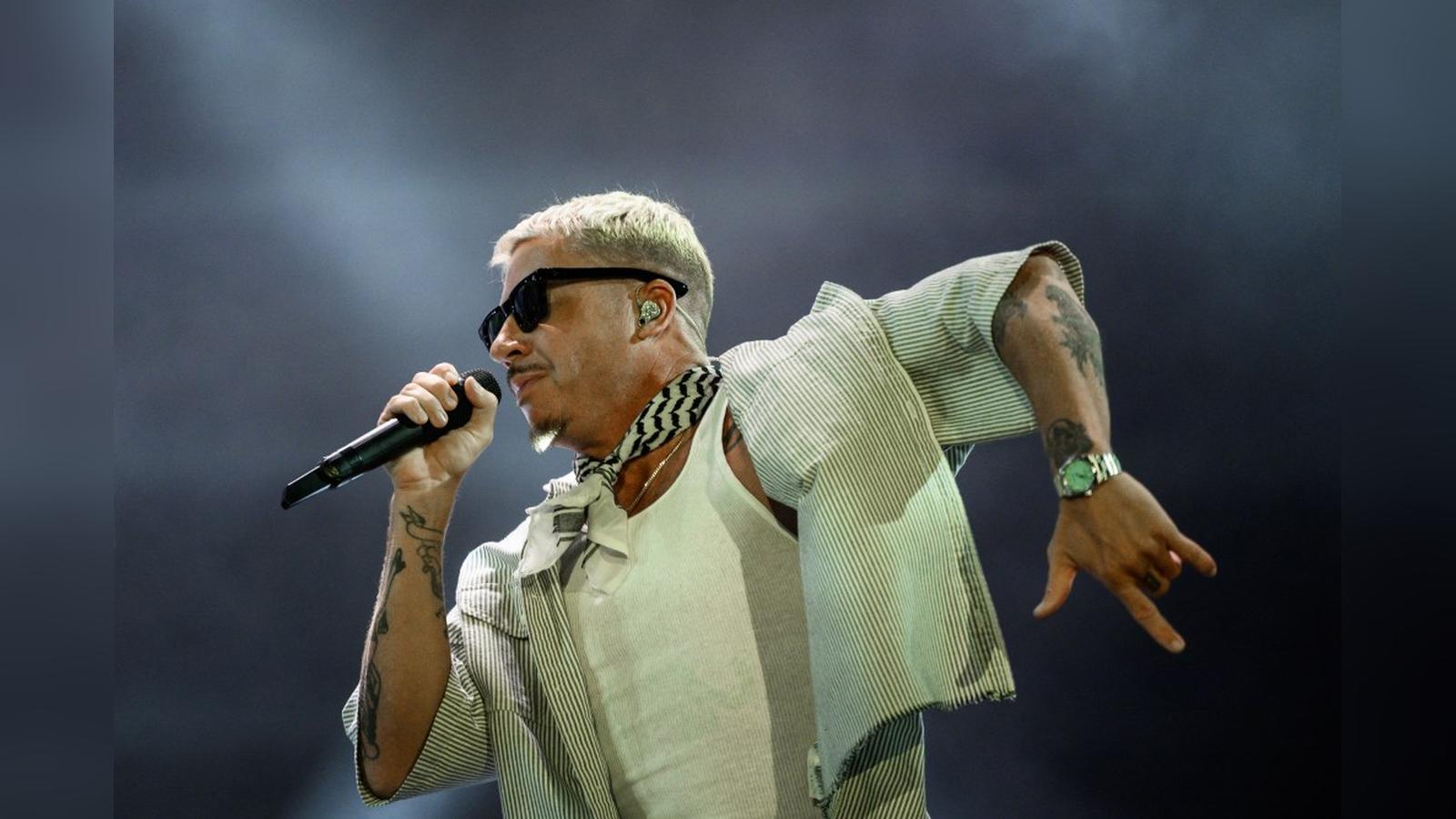
The North American stadium tour of British pop star Ed Sheeran has become the flashpoint for a heated debate over the role of political activism in mainstream live music. Rapper Macklemore, serving as the opening act, has utilized his platform at venues including New Jersey’s MetLife Stadium to deliver impassioned, pro-Palestinian speeches and perform his protest anthem, “Hind’s Hall.” These performances, which have included direct criticism of U.S. immigration policies and the characterization of ICE as a “terror organization,” have prompted a vocal backlash from concertgoers and advocacy groups.
The controversy intensified significantly following the September 4, 2026, show at MetLife Stadium. According to reporting by Stereogum and Variety, attendees reported feeling blindsided by the political nature of the set. Some audience members chose to leave the stadium mid-performance, with accounts emerging of Jewish concertgoers feeling deeply distressed by the imagery and rhetoric employed during the set. The backlash has since coalesced into a formal petition launched by the Israeli American Council, which demands that tour organizers remove Macklemore from the remainder of the tour dates.
Institutional and Public Pressure
The petition, titled “Ed Sheeran – Your Show. Your Stage. Your Responsibility!,” argues that the concert environment was converted into a “political rally” without the consent of the audience. The group contends that the use of a global stadium platform to advance what it characterizes as a one-sided political agenda is inappropriate. As noted by i24NEWS, the incident has highlighted a growing tension regarding consumer expectations—specifically, whether fans purchasing tickets for mainstream pop entertainment should be subject to unsolicited political activism. The movement has gained public momentum, with high-profile figures such as pop star Pink re-sharing criticisms of the performance, as reported by Vice.
Macklemore has remained defiant, posting footage of his speech to social media and maintaining that his message is one of universal dignity, respect, and equality. This is not the rapper’s first encounter with such scrutiny; in 2024, his political stances led to his removal from the Neon City festival lineup and caused various Seattle-based professional sports teams to re-evaluate their institutional relationships with him. The current situation, however, places a greater burden on the tour’s primary act, Ed Sheeran, who has yet to issue a public statement regarding the demands of the petition or the conduct of his supporting artist.
Stakes and Market Dynamics
The core of the dispute rests on the intersection of artistic freedom and professional responsibility in the commercial music sector. For promoters and tour managers, the situation presents a complex logistical and reputational risk. The demands for refunds from concertgoers, particularly those who feel the event misrepresented the experience they purchased, force a confrontation between standard commercial contracts and the unpredictable nature of live performance. While proponents of the artist argue that music has historically been a vehicle for social protest, the scale of current stadium tours requires a delicate balance that is currently being tested by the polarization surrounding the conflict in the Middle East.