


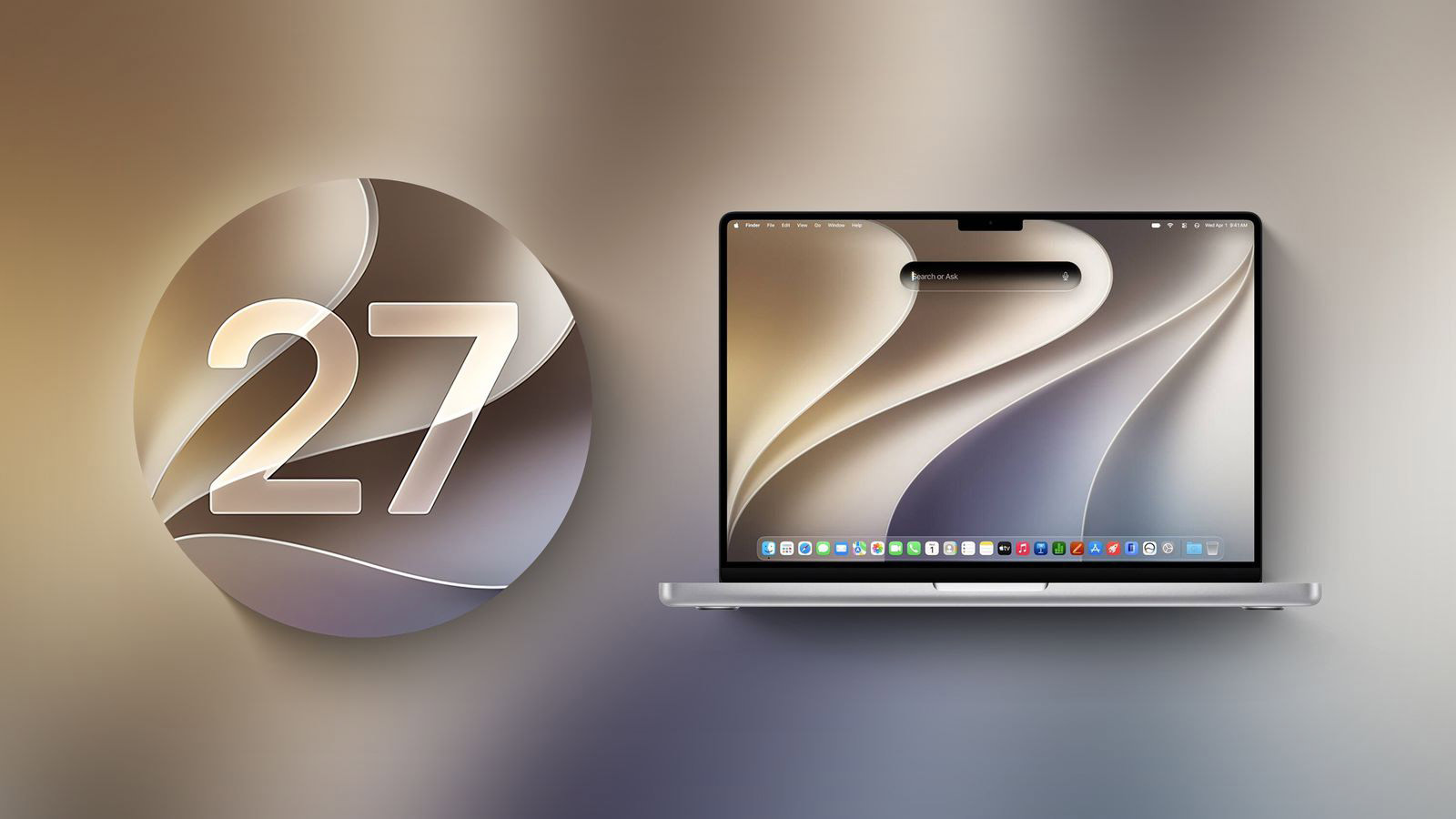
A New Era of Apple Intelligence
Apple has officially unveiled macOS 27, codenamed “Golden Gate,” marking a significant shift in the operating system’s capabilities. The update is centered around the integration of Apple Intelligence, which powers a completely redesigned Siri AI assistant and introduces system-wide automation tools. According to Apple, Golden Gate is designed to handle complex conversational tasks, personal context awareness, and cross-app workflows, moving beyond simple voice commands.
The New Siri AI Experience
The centerpiece of the update is the new Siri AI. Unlike its predecessor, this version is built to act as a conversational assistant capable of brainstorming ideas, conducting research, and performing multi-step actions across various applications like Messages, Music, and Reminders. A dedicated Siri app will now sync conversation history across Apple devices via iCloud. Additionally, “Visual Intelligence” allows users to ask the assistant questions about images, files, and text currently visible on their screens.
Safari and System Enhancements
Safari receives several AI-driven upgrades, including automatic tab organization, “Notify Me” webpage monitoring for price drops or restocks, and the ability to generate custom browser extensions from simple text descriptions. Beyond these, macOS 27 introduces system-wide proofreading, intelligent file naming, and improved dictation. The interface has also been refined with “Liquid Glass” visual updates, offering better contrast, clearer menu bar icons, and more consistent rounded window corners.
The End of the Intel Era
In a major shift for hardware support, Apple confirmed that macOS 27 Golden Gate will be exclusive to Apple silicon-powered Macs. This move officially ends support for all Intel-based computers. While Apple is expected to provide security patches for legacy Intel models until 2028, these machines will not receive the new OS features. Furthermore, the update marks the end of Rosetta 2, the translation layer that allowed Intel-based apps to run on Apple silicon, signaling a complete transition to native ARM-based architecture.
Release Timeline
The developer beta was released on June 8, 2026, followed by the public beta on July 13. While Apple has not provided a precise date for the final public rollout, the company traditionally releases new macOS versions in mid-September. Industry expectations point toward a release on Monday, September 14, 2026.