


Addressing a Crisis in ‘No Man’s Land’
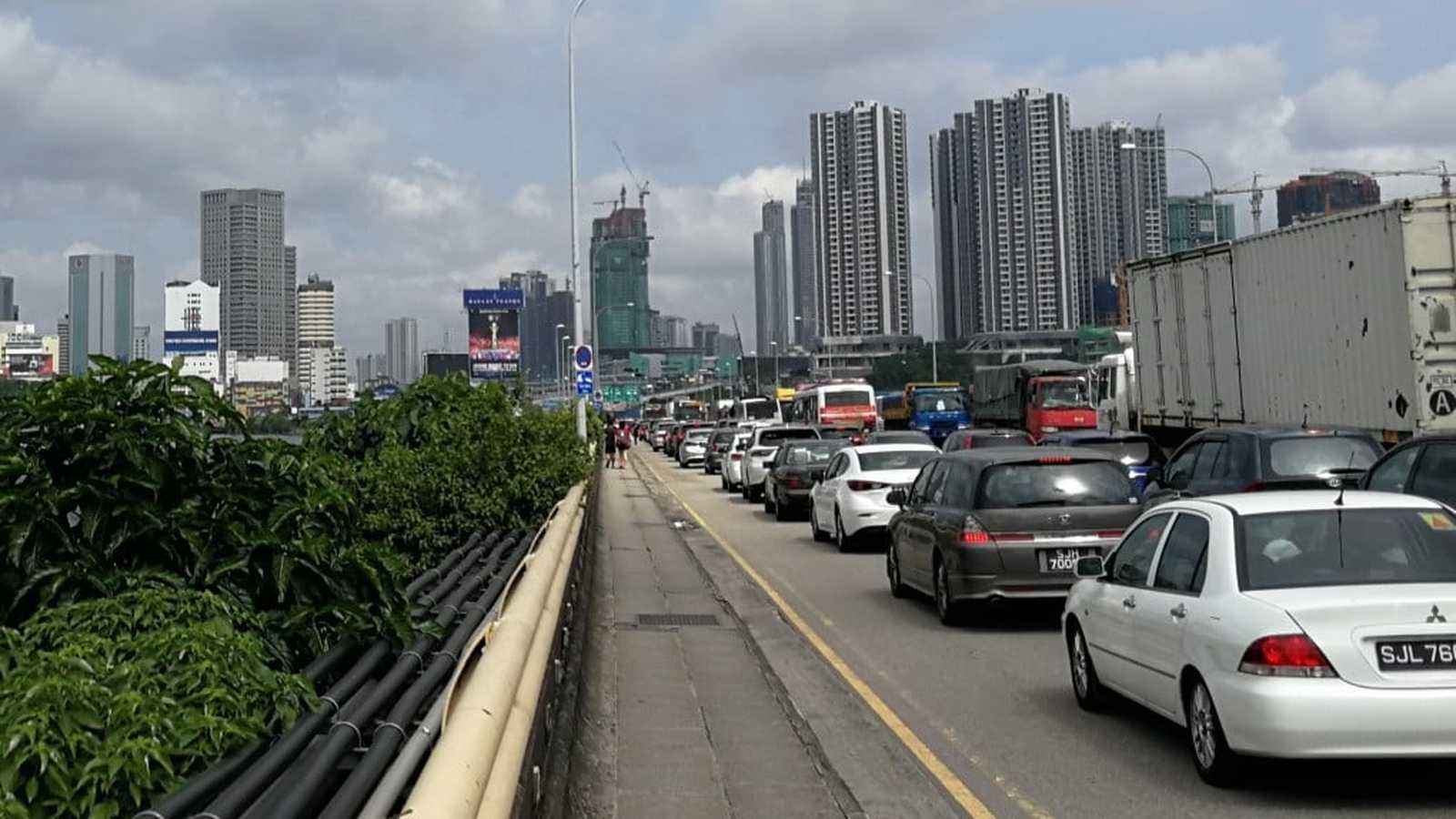
The Malaysian government is set to table a critical amendment to the Self-Employment Social Security Act 2017 in July, aiming to provide a safety net for approximately 480,000 Malaysians who commute daily between Johor and Singapore. According to the Ministry of Human Resources, the new “Commuter Scheme” is designed to bridge a dangerous legal gap that leaves workers unprotected when accidents occur on the Johor-Singapore Causeway—a region often described as a jurisdictional ‘no man’s land.’
Edmund Cheong, deputy chief executive for strategy and corporate affairs of the Social Security Organisation (SOCSO), noted that current insurance policies often fail to cover victims if the accident occurs outside the primary jurisdiction. With data indicating nearly one traffic fatality per week in the Causeway area, the proposed self-contribution system will allow workers to fund their own coverage, ensuring protection regardless of their exact location on the transit route.
Political Stakes and Logistical Hurdles
The legislative push coincides with the approaching Johor state election, scheduled for July 11. With up to 200,000 Johoreans working in Singapore expected to return home to vote, the government is under immense pressure to ensure the smooth, safe operation of the border crossings. Recent technical glitches, including a major system failure on May 28 that caused five-hour queues, have heightened public anxiety regarding infrastructure reliability.
Malaysian authorities are currently implementing a new digital immigration system, utilizing facial recognition and QR codes, which is expected to be fully operational by September. In the interim, officials have indicated that dedicated lanes for returning voters are being considered to prevent the chaos that could arise from the mass influx of commuters.
Analysis: A Systemic Shift
The move to formalize social security for cross-border commuters represents a significant institutional shift. By prioritizing the most urgent issue—work-related accident coverage—the Ministry is attempting to resolve a long-standing humanitarian and economic problem without requiring bilateral mandates from Singaporean employers. This voluntary contribution model recognizes the reality of the regional labor market, where thousands rely on cross-border employment for their livelihoods despite the inherent safety risks.
As the state election approaches, the success of these measures will be a litmus test for the government’s ability to manage critical cross-border logistics. The stabilization of the Causeway is no longer merely a transport issue; it is a central pillar of regional political stability and social policy.