


Medical Emergency Following Long-Term Supplement Use
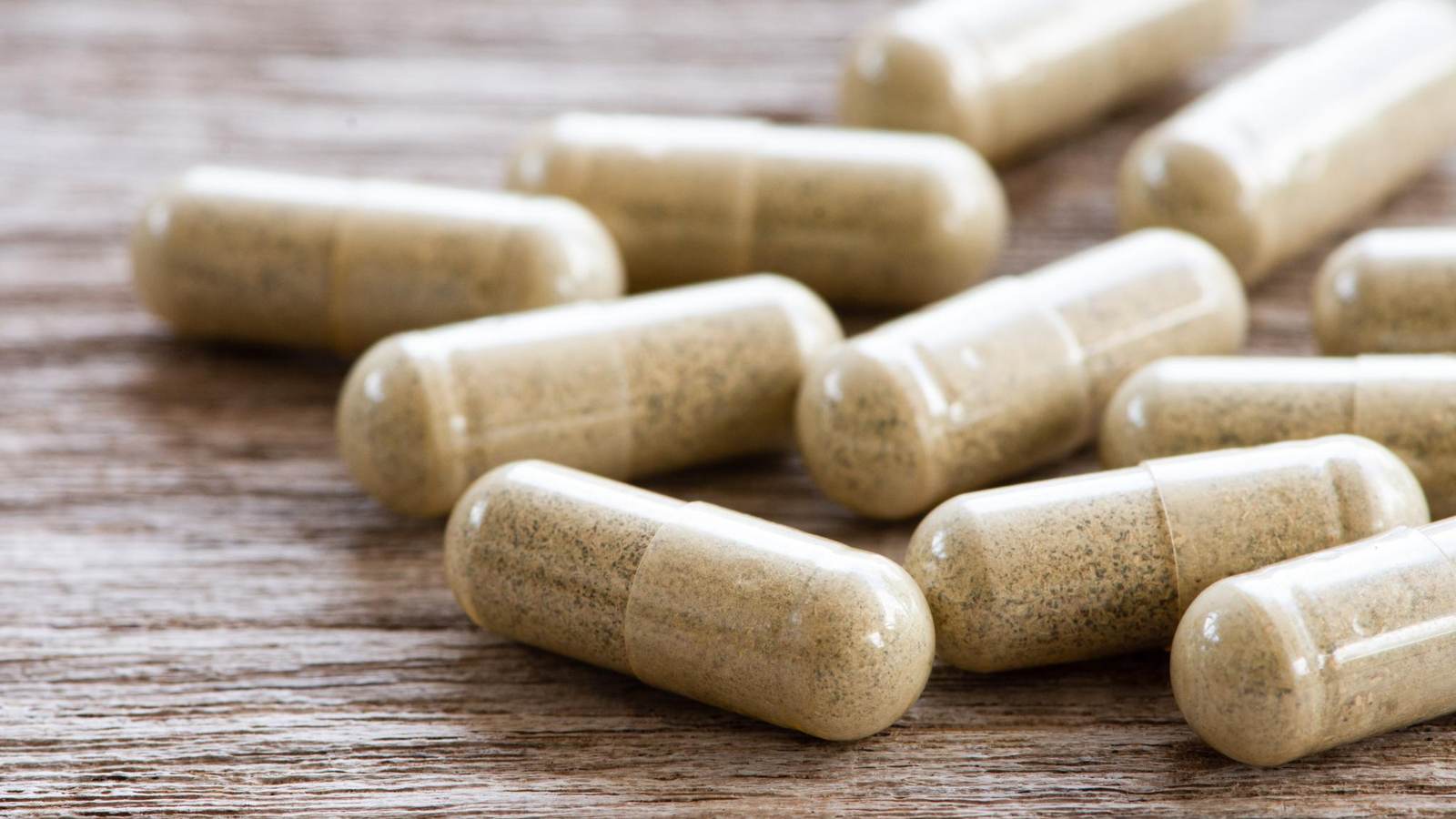
A 32-year-old man was hospitalized for 10 days, including three days in intensive care, after suffering from a cascade of life-threatening health complications. According to a case report published and reported by the New York Post on November 16, 2026, the patient had been consuming six to eight kratom pills daily for two years, which he purchased from a local gas station. The patient’s condition reached a critical point after he fell in his shower and remained unconscious for eight hours. Upon waking, he presented with severe symptoms including a persistent headache, nausea, slurred speech, memory loss, and acute pain accompanied by hearing loss in his right ear.
The Intersection of Kratom and Fentanyl
Upon clinical evaluation, medical professionals confirmed that the man was suffering from auriculitis, an ear infection that had progressed into septic shock, the most severe and dangerous form of systemic infection. Furthermore, the patient was diagnosed with rhabdomyolysis, or “rhabdo,” a medical condition where muscle tissue breaks down rapidly, releasing toxic proteins and electrolytes into the bloodstream that can precipitate acute organ failure. This specific condition was notably linked to the death of 24-year-old Rachel Apa following the New York City marathon.
Diagnostic testing revealed that the patient tested positive for fentanyl, a potent synthetic opioid. Doctors suggest that the interaction between the chronic kratom usage and the presence of fentanyl significantly exacerbated the patient’s condition. Kratom is known to inhibit the metabolism of opioids, which extends their half-life in the body and dramatically increases the risk of respiratory failure, severe sedative effects, and potential fatal overdose. Medical staff treated the patient with a rigorous course of antibiotics for the sepsis, intravenous fluids for the rhabdomyolysis, and steroids to address the hearing loss, which they believe may have been caused by electrolyte shifts associated with his muscular breakdown.
Regulatory Scrutiny and Public Health Risks
Kratom, an herbal extract derived from a tree native to Southeast Asia, remains legal at the federal level in the United States, yet it lacks any FDA approval for medical or therapeutic use. The supplement contains potent psychoactive compounds, specifically mitragynine and 7-hydroxymitragynine (7-OH), which interact with the same brain receptors as prescription-strength opioids. Despite being marketed in gas stations and vape shops as a natural energy booster or pain reliever, the substance carries significant risks, including nausea, vomiting, constipation, and severe drowsiness.
Data from poison control centers indicates a massive surge in public health concerns, with reports showing a 1,200% increase in calls related to kratom products between 2021 and 2025. The Drug Enforcement Administration (DEA) has issued repeated warnings that heavy or chronic usage can lead to seizures, hallucinations, and in some instances, death. In response to these escalating risks, Health and Human Services Secretary Robert F. Kennedy Jr. previously announced a federal initiative to classify 7-OH, a synthetic byproduct of the kratom plant, as a Schedule I substance. This reclassification would place the compound in the same legal category as heroin and LSD, marking a significant shift in federal drug policy regarding the widely available, yet dangerous, supplement industry.