


A Last-Minute Attempt to Hijack a Landmark Transfer
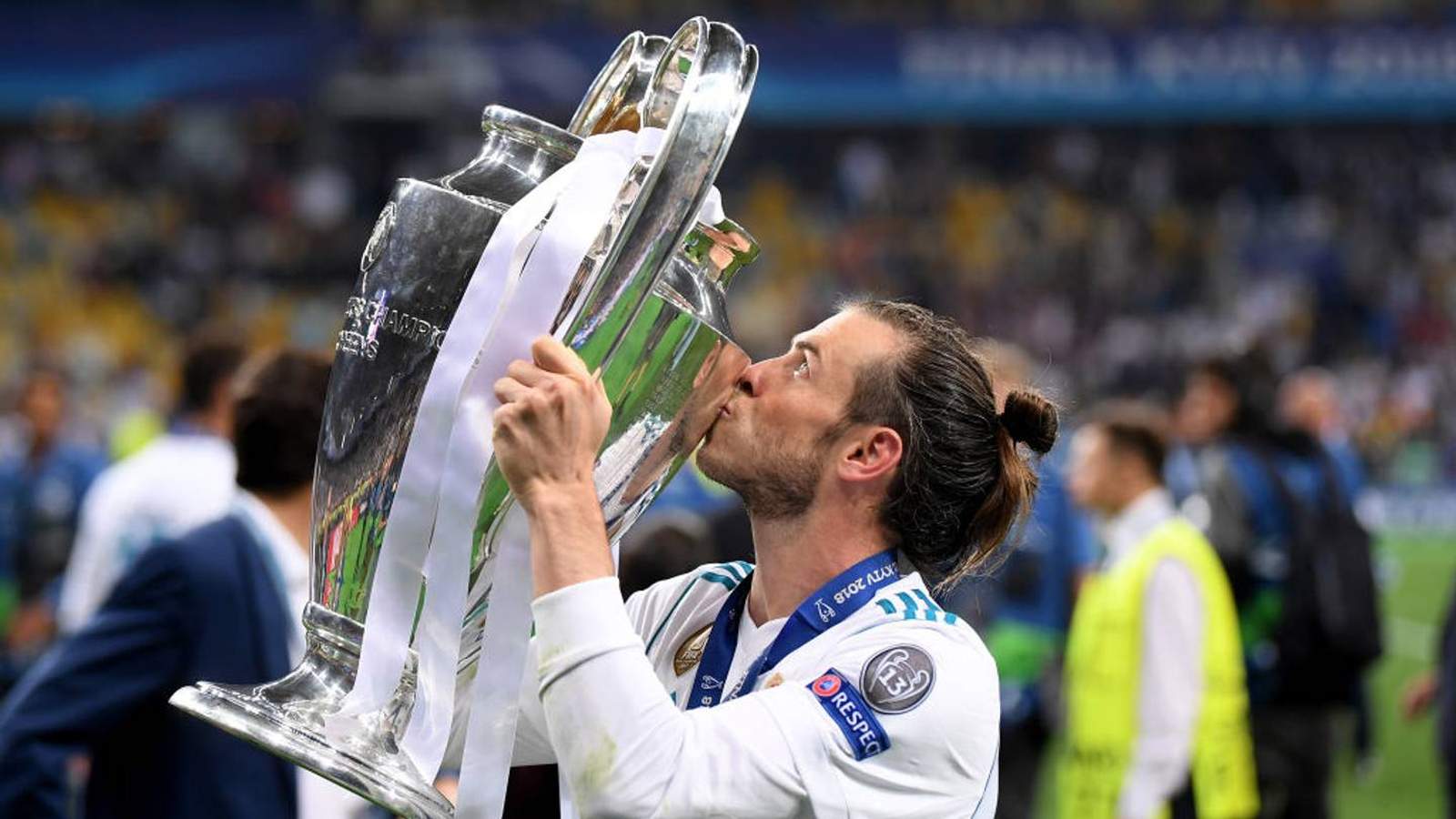
Thirteen years after a summer that defined the trajectory of two European giants, the specifics of Manchester United’s attempt to sign Gareth Bale have finally been laid bare. Reports from Sports Illustrated and Suara Garut confirm that Manchester United submitted a late, world-record bid of €120 million to Tottenham Hotspur in 2013, aiming to prevent the Welsh winger from joining Real Madrid.
The revelation comes from then-Tottenham manager André Villas-Boas, who shared the account on The Obi One Podcast. According to Villas-Boas, the offer arrived as the Spurs squad was conducting its preseason tour in Asia. Despite the staggering valuation—which would have surpassed the €100 million Real Madrid eventually paid—the move was fundamentally undermined by the player’s personal resolve and a strategic “gentleman’s agreement” held by Tottenham chairman Daniel Levy.
The Gentleman’s Agreement and Player Intent
The failure of the bid was not purely financial; it was rooted in a pre-existing understanding between Bale and the Tottenham hierarchy. Levy, known for his rigorous negotiation style, had established a policy that he would not sell key assets to direct domestic rivals. While United were willing to outbid the Spanish club, Bale had no intention of staying in the Premier League. “My heart was set on Madrid anyway,” Bale admitted in a separate appearance on the Stick to Football podcast earlier this year.
Villas-Boas recalled the moment he sought clarity from the player during the Asia tour. Entering the physio room, the manager physically wrote “Real Madrid” and “Man United” on a piece of paper, asking the player to choose. Bale’s selection remained firm, signaling the end of any realistic hope for the English club to alter his destination.
A Sliding Doors Moment for United
For Manchester United, the summer of 2013 represented a period of immense instability following the retirement of Sir Alex Ferguson. Under new manager David Moyes and executive vice-chairman Ed Woodward, the club sought to make a marquee statement. Had the deal succeeded, it might have rewritten the club’s post-Ferguson history. Instead, the failure to land Bale—and other targets like Cesc Fàbregas—left the squad lacking the attacking evolution it desperately needed. While United eventually spent heavily on players like Ángel Di María in 2014, the absence of a player of Bale’s caliber during that transitional season remains one of the most cited “what if” scenarios in modern Premier League history.