


Investigation into Diverted Hardware
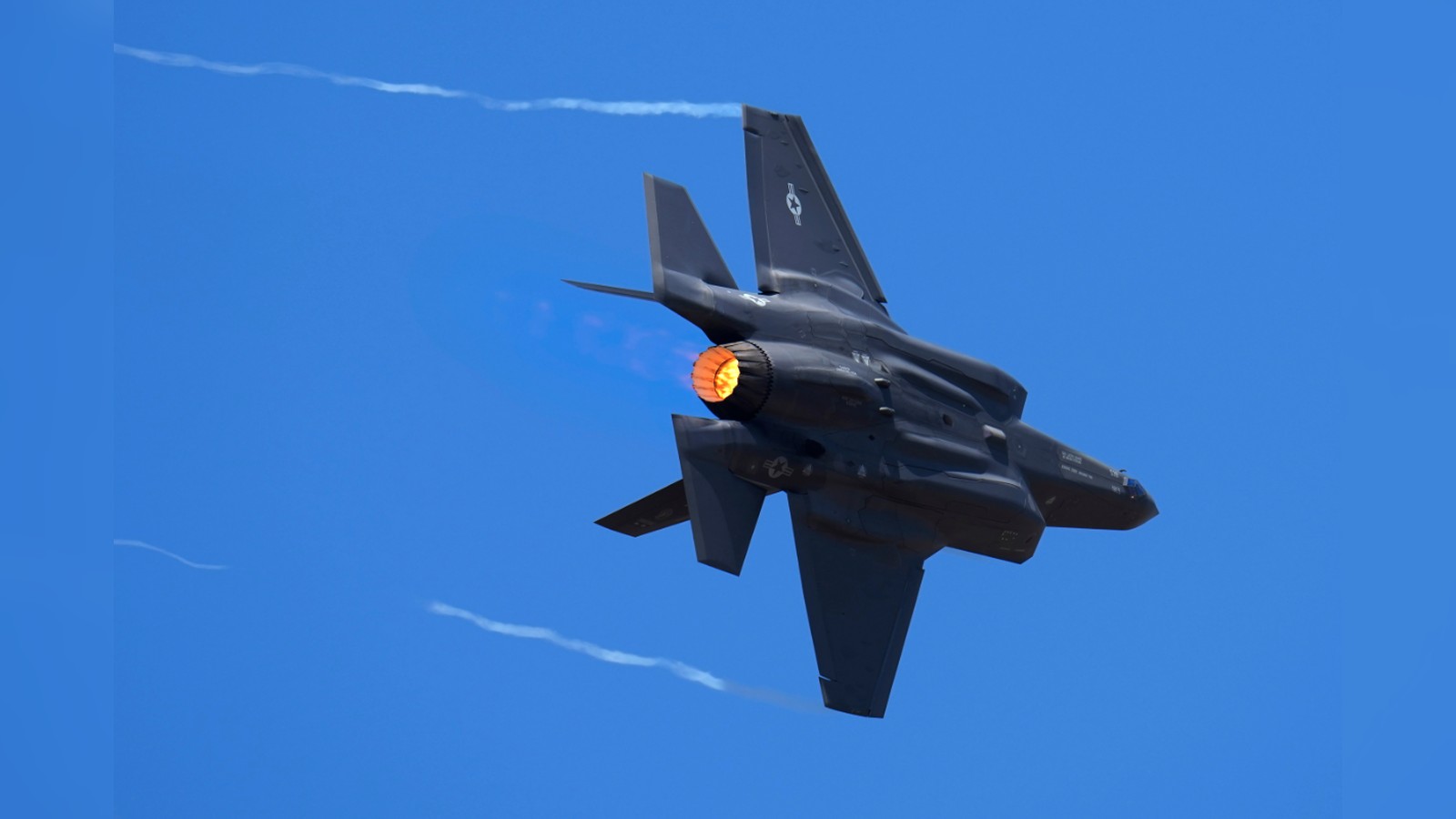
The Pentagon’s Joint Program Office has launched an investigation into a security breach involving the diversion of F-35 Lightning II stealth fighter components to Hong Kong. According to reports from Bloomberg, the shipment—which reportedly included a cockpit canopy and a weapons-bay door—was intended to travel from Australia to the United States for maintenance or disposal but was unexpectedly rerouted.
The F-35 Joint Program Office confirmed it is working with U.S. authorities and industry partners, including Lockheed Martin, to retrieve the components and implement safeguards to prevent future incidents. While Australian Defense Minister Richard Marles acknowledged the diversion, he asserted that the components involved were not “sensitive equipment,” suggesting a degree of comfort regarding the potential intelligence loss.
Security and Oversight Stakes
The incident has triggered a congressional inquiry, reflecting broader concerns about the protection of U.S. military technology. CNBC reported that lawmakers, including Congressman Raja Krishnamoorthi, have warned that such breaches risk placing critical American military technology within reach of the Chinese Communist Party. This event follows a history of reported cyber espionage, with the Defense Science Board alleging in 2013 that Chinese efforts had previously accessed data related to the joint strike fighter program.
Despite the high-profile nature of the F-35 platform, the program has faced persistent readiness challenges. Recent assessments indicate that the fleet has struggled with mission-capability rates, and the integration of advanced software and hardware, specifically the TR-3 configuration, has encountered significant delivery delays. With 19 countries currently operating or ordering the aircraft, the security of the global supply chain remains a primary focus for the Department of Defense.