


Strategic Pivot in Response to US Tariffs
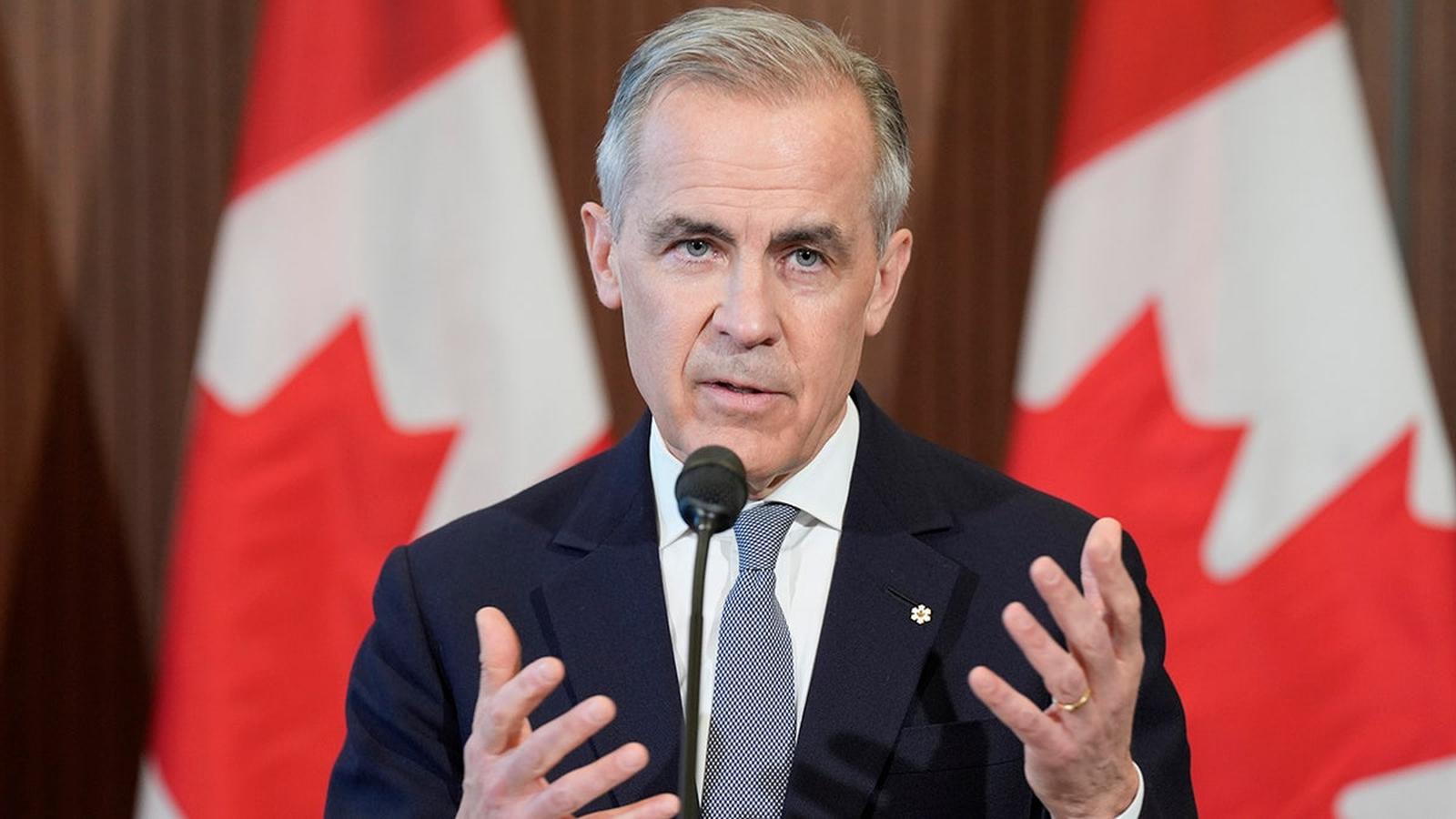
Canadian Prime Minister Mark Carney is actively exploring the possibility of Canada becoming an “associate member” of the European Union, a move designed to deepen economic and political ties as trade relations with the United States reach a critical breaking point. The Wall Street Journal reported Sunday that the initiative aims to establish a new framework for cooperation, allowing for the free movement of goods, services, and labor in strategic sectors including energy, artificial intelligence, defense, and critical minerals.
This push for closer European integration follows the collapse of standard trade negotiations with the White House. Since President Donald Trump returned to office in 2025, trade disputes have escalated into a full-scale tariff war, impacting tens of billions of dollars in cross-border commerce. Reuters reported that the proposed “associate” status would effectively shift the EU’s economic border, creating a protected corridor for Canadian industries to bypass current American protectionism.
Diplomatic and Infrastructure Goals
Beyond immediate trade protections, the proposal includes ambitious goals for social and digital integration. According to reporting cited by Reuters, Prime Minister Carney has held regular discussions with European leaders, most notably French President Emmanuel Macron, regarding the potential for visa-free living and working arrangements for Canadian citizens within the European Union. Infrastructure plans under consideration include the joint construction of data centers, cloud storage facilities, and underwater cable networks to facilitate energy exports from Canada to Europe.
Finnish President Alexander Stubb has publicly signaled openness to the concept, rhetorically questioning if it would be preferable for Canada to function as a European partner rather than being subjected to the economic pressures of the United States. However, the path forward remains complex. Institutional analysts and wire services, including Reuters and Zonebourse Suisse, note that the EU has not historically been flexible regarding accession rules. Furthermore, the existing Comprehensive Economic and Trade Agreement (CETA) has yet to be fully ratified by several EU member states more than a decade after its initial signing, signaling that any new “associate” status would face significant legislative hurdles across the continent.