


Deepening European Integration
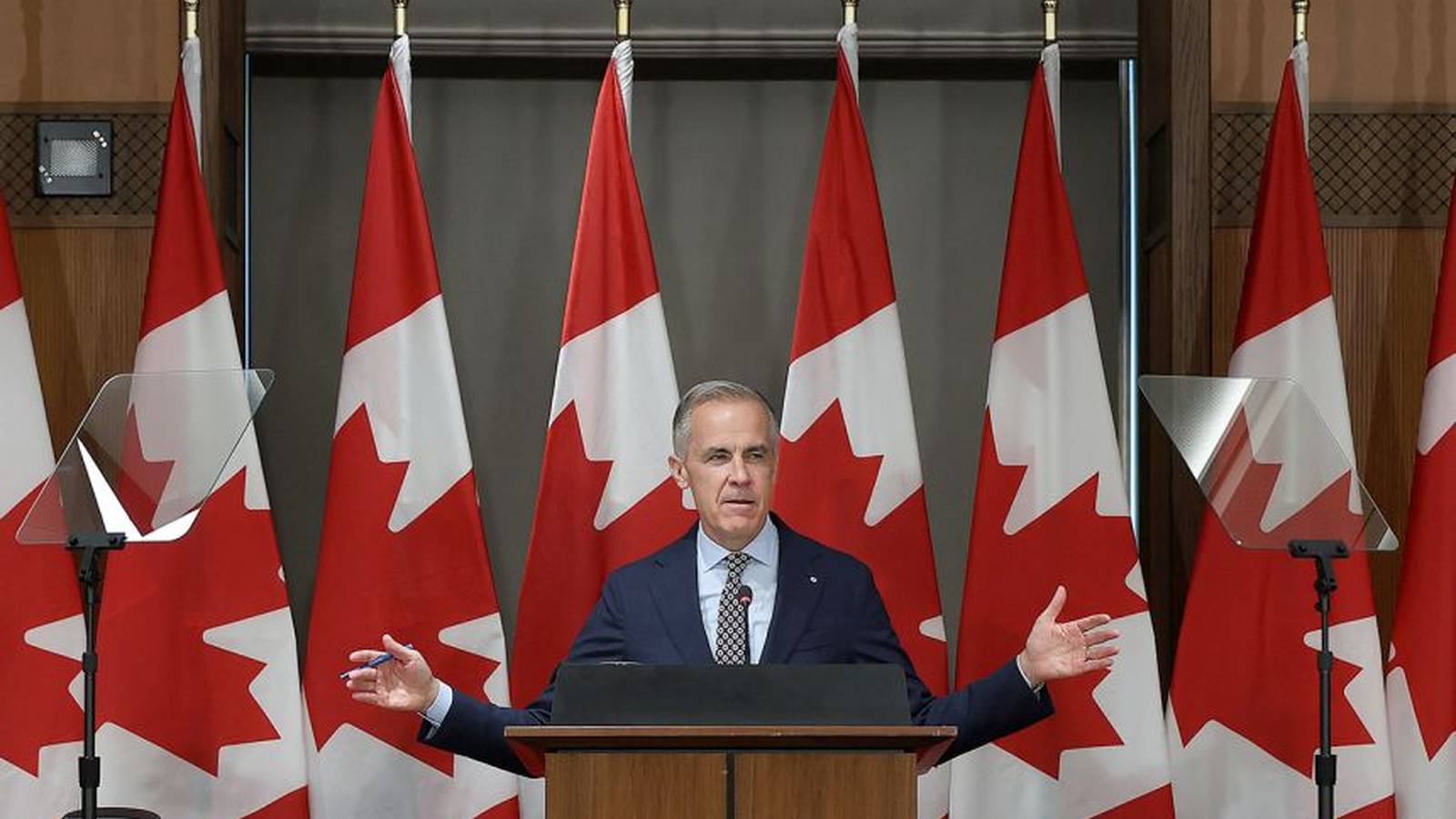
Canadian Prime Minister Mark Carney is aggressively pursuing a realignment of Canada’s foreign policy, pivoting toward deeper institutional ties with the European Union while maintaining distance from the current U.S. administration. Following a series of high-profile meetings in Strasbourg and at the United Nations, Carney has signaled that his government’s priority is “collective resilience” against global economic and geopolitical pressures. According to Yahoo News, this strategy includes a formal bid for associate member status within the EU, a move intended to secure Canadian markets and sovereignty against external volatility.
The underlying reporting is available from CNN.
This shift is not merely diplomatic posturing; it represents a tangible effort to diversify Canada’s economic dependencies. With approximately 70% of Canadian exports historically tied to the U.S. market, Carney’s administration is looking to mitigate risks associated with U.S. protectionism and trade volatility. His recent tour, which included a meeting with French President Emmanuel Macron on Saint Pierre and Miquelon, underscores a tactical move to anchor Canada within a European framework that shares its commitments to climate policy and international law.
The U.S. Divergence
The friction between Ottawa and Washington was visible during the UN General Assembly this week. While U.S. President Donald Trump used his platform to criticize multilateral institutions and dismiss climate change as a “hoax,” Carney spent his time co-hosting an oceanographic research initiative with European Commission President Ursula von der Leyen. The contrast was stark: Carney pledged $82 million toward the “Ocean Eye” alliance—a project aimed at global ocean observation—while the U.S. delegation remained noticeably absent from these multilateral commitments.
The tension extends beyond policy to personal rhetoric. On Wednesday, President Trump took to Truth Social to criticize Canada’s immigration policies, alleging that “unchecked” migration is causing economic instability. Statistics Canada, however, reported that Canada’s population growth rate has slowed to its lowest levels since the 1940s, a fact Foreign Affairs Minister Anita Anand utilized to dismiss the President’s claims. Anand reaffirmed that Canada has calibrated its immigration levels since 2024 to align with housing and healthcare capacity, framing the policy as a stable, evidence-based approach rather than the crisis described by the U.S. President.
Challenges to the “Middle Power” Strategy
Despite the momentum, Carney’s path toward European integration faces significant procedural hurdles. The EU’s governance structure remains notoriously rigid, and the ratification of the Comprehensive Economic and Trade Agreement (CETA) remains incomplete, with ten member states yet to fully approve it. Skeptics point out that creating an “associate member” status for a North American nation would require a level of consensus within the European Parliament that is far from guaranteed.
Domestically, the strategy has seen surprising support. Carney’s approval ratings have remained resilient, and even political rivals like former Prime Minister Stephen Harper have reportedly endorsed his firm stance against U.S. trade pressure. However, the long-term viability of this “middle power” alliance depends on whether Carney can navigate the internal politics of the EU while managing the economic reality of a neighbor that remains Canada’s largest trading partner.