


The recent $1.77 trillion initial public offering (IPO) of SpaceX has reignited discussions on wealth distribution, highlighting how employee stock ownership can transform worker lives. As reported by the Wall Street Journal, former SpaceX welder Juan Hernandez, who joined the company in 2015 earning $28 per hour, saw his holdings balloon to an estimated $880,000 following the IPO. The listing has reportedly minted at least 4,400 millionaires among the aerospace firm’s workforce.
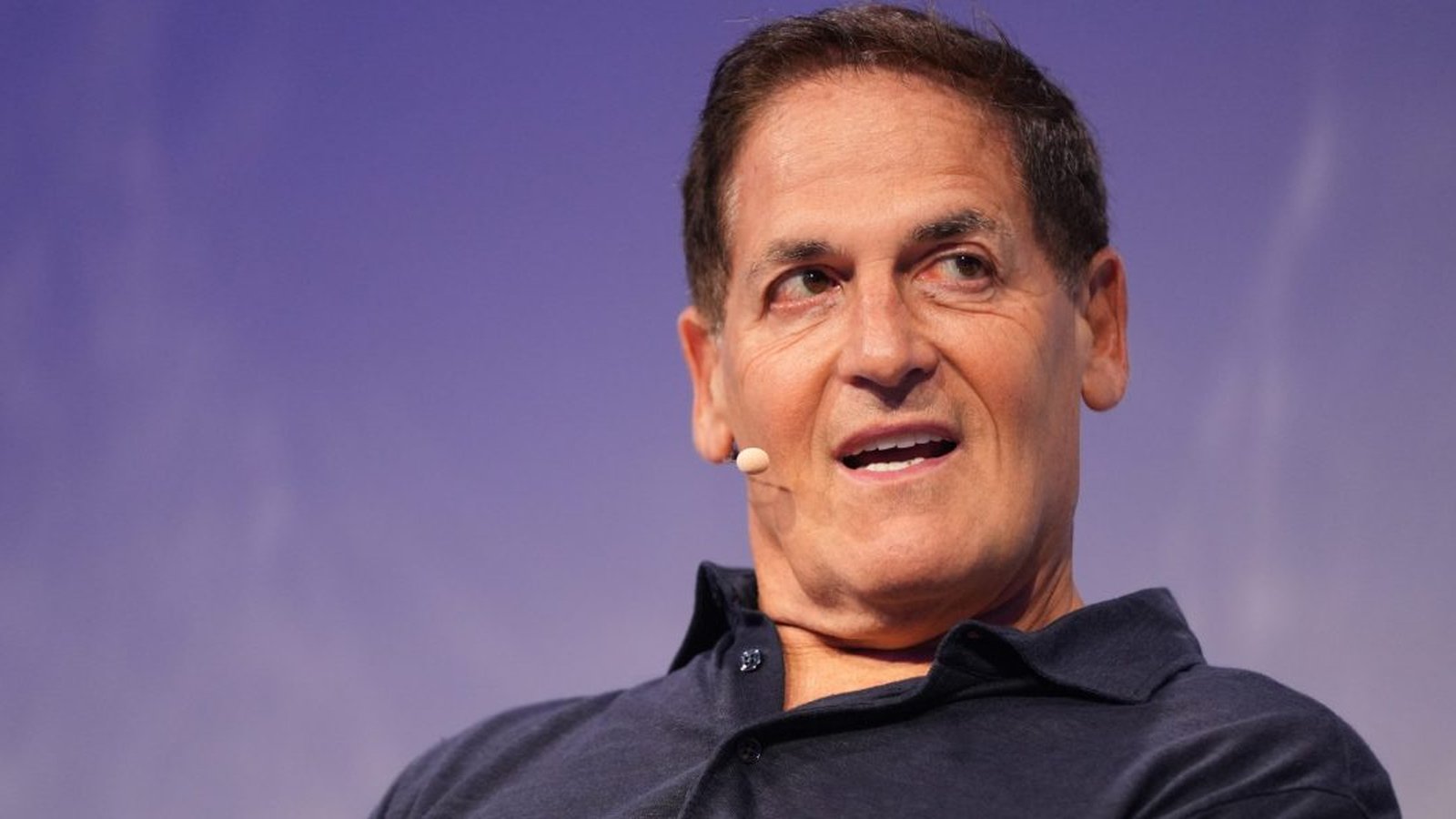
Billionaire investor Mark Cuban highlighted this development as a model that should become the corporate norm rather than the exception. Speaking on the “What It Takes” podcast by Unmoderated News, Cuban argued that providing equity to every worker—from executives to janitors—is the most effective way to address systemic income inequality. Cuban, who has a net worth of $10.2 billion, has practiced this philosophy throughout his career. In 1999, ahead of Yahoo’s $5.7 billion acquisition of his media company Broadcast.com, Cuban distributed stock to all 330 employees, making 300 of them millionaires. He implemented similar equity-sharing structures at his first IT consulting firm, MicroSolutions.
Cuban’s advocacy comes amid growing concern over the widening executive-to-worker pay gap. According to data from the AFL-CIO, S&P 500 CEOs in 2024 earned an average of 285 times more than their median employees, up from 268 times in 2023, with average chief executive compensation reaching $18.9 million.
To encourage broader corporate adoption, Cuban proposed that the federal government utilize tax incentives. Specifically, he suggested that the government offer a lower corporate tax rate than the current 21% to companies that distribute stock options or warrants to employees proportionally. Under Cuban’s proposed “Janitor Test,” if a CEO receives stock options equivalent to 10% of their cash compensation, every employee, including a janitor earning $50,000, should receive stock options equivalent to 10% of their respective salary.
This incentive-alignment model is shared by SpaceX founder Elon Musk, who recently stated to Texas Governor Greg Abbott that all employees should receive stock to participate in their company’s financial upside. Musk argued that this strategy aligns incentives across the entire organization.
Academic research supports the viability of this approach. A 2021 Harvard Business School study indicated that if all private firms in the United States became 30% employee-owned, overall household wealth in the country would double, while the net wealth of the top 1% would decrease by an average of 14%. Additionally, a 2004 Rutgers University study found that companies offering at least a 5% equity stake to employees experience higher survival rates and lower turnover due to increased employment security and aligned incentives.