


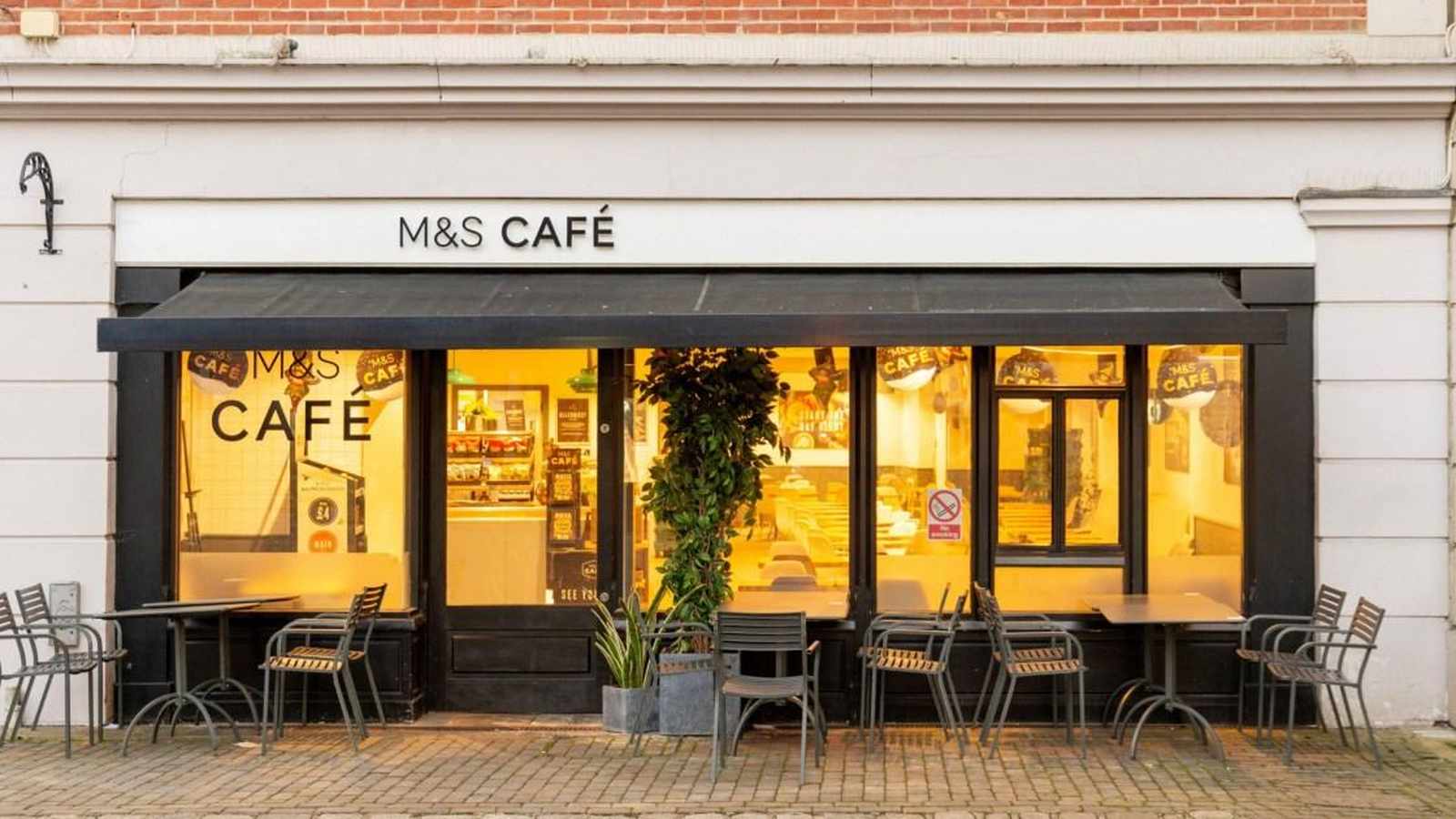
LONDON (Azat TV) – Marks & Spencer (M&S), a cornerstone of the UK’s high street, is undertaking a significant strategic restructuring of its retail operations, marked by the closure of 14 in-store cafes and a major branch in Swansea. These moves are central to the retailer’s broader efforts to adapt to evolving consumer preferences, expand its lucrative food offerings, and optimize its physical footprint amidst a challenging and dynamic retail landscape.
The closures are part of a substantial £300 million investment aimed at modernizing M&S’s food business, with a goal to increase the number of M&S food halls to 420 by the end of 2028. This strategic pivot underscores the company’s commitment to enhancing its core food selection and providing a wider product range to customers.
M&S Adapts Retail Footprint with Cafe Closures
Marks & Spencer is in the process of closing 14 of its in-store cafes, primarily within its food-hall stores. This decision is driven by a desire to repurpose the space to expand the food selection and make room for more products, according to a spokesperson for M&S. Crucially, the company has confirmed that no jobs will be lost as a direct result of these cafe closures, with all impacted staff members being moved to alternative roles within the business.
The affected cafes represent a small fraction, approximately 4%, of M&S’s more than 300 cafes, coffee shops, and coffee-to-go kiosks. Locations impacted include Anlaby, Bidston Moss, Bishop Auckland, Canterbury, Congleton, Crawley, Dunblane, Hull, Martlesham Heath, Sittingbourne Retail Park, South Aylesford, Stone, Strood Retail Park, and Whitstable. Many of these closures are expected to be completed later this year, though some, like Anlaby, have already ceased operations.
Major Swansea Store Closure Confirmed by M&S
In a separate but related development reflecting its ongoing retail optimization strategy, Marks & Spencer has confirmed the closure of its prominent store on Oxford Street in Swansea city centre. The retailer informed the store’s 92 staff members of the decision earlier this week, initiating a consultation process regarding potential future positions at other M&S locations. While the firm has not yet confirmed details concerning redundancies, the focus is on exploring alternative opportunities for the affected employees.
The Swansea closure follows an assessment that the branch had been underperforming, aligning with M&S’s strategy to streamline its store estate and concentrate resources on more profitable locations and formats. This move is indicative of a broader trend on the UK high street, which has seen numerous retailers, including GAME, Revolution Bars, Poundland, and River Island, announce store closures in recent months, highlighting the intense pressures facing the sector.
Evolving Consumer Preferences and Market Trends
The strategic shifts at Marks & Spencer reflect a deeper understanding of evolving consumer behavior. Emily Keogh, founder of the PR agency Palm, noted that while the cafe closures are minor in scale, they signify a broader shift where shoppers increasingly prioritize ‘experiences’ over mere ‘pit stops’ during their physical shopping trips. As more retail moves online, in-store visits become more considered, with customers seeking hospitality brands that offer more than just functional breaks.
Paul McHugh, head of sales EMEA at telecommunications firm Ericsson, further suggested that retailers are exploring technological experiences, such as augmented reality, to enhance in-store engagement. However, he cautioned that connectivity issues often hinder the effective deployment of such solutions.
Despite these strategic adjustments, M&S continues to focus on its diverse product offerings. For instance, its ‘Isabelle Eyelet Blackout Curtains’ have garnered significant attention for their quality and affordability, resembling more expensive versions from competitors like Dusk. This highlights M&S’s ongoing commitment to delivering value and quality in its homewares segment, appealing to consumers looking for stylish yet practical home solutions.
Resilience Amidst Challenges
These strategic realignments come after M&S faced a significant cyber attack last year, which disrupted online orders, Click & Collect services, and food deliveries for nearly two months. The attack, which involved hackers compromising customer data, was estimated to cost the retailer approximately £300 million, though insurance is expected to cover a portion of the financial fallout. This incident underscores the complex challenges, both operational and digital, that major retailers navigate in the current economic climate.
Marks & Spencer’s decision to close certain cafes and an underperforming store, while simultaneously investing heavily in its food halls and maintaining a strong value proposition in other categories, demonstrates a proactive and agile business strategy. This approach aims to strengthen its market position by aligning its physical presence and product offerings with contemporary consumer demands and the competitive realities of the UK retail sector.