


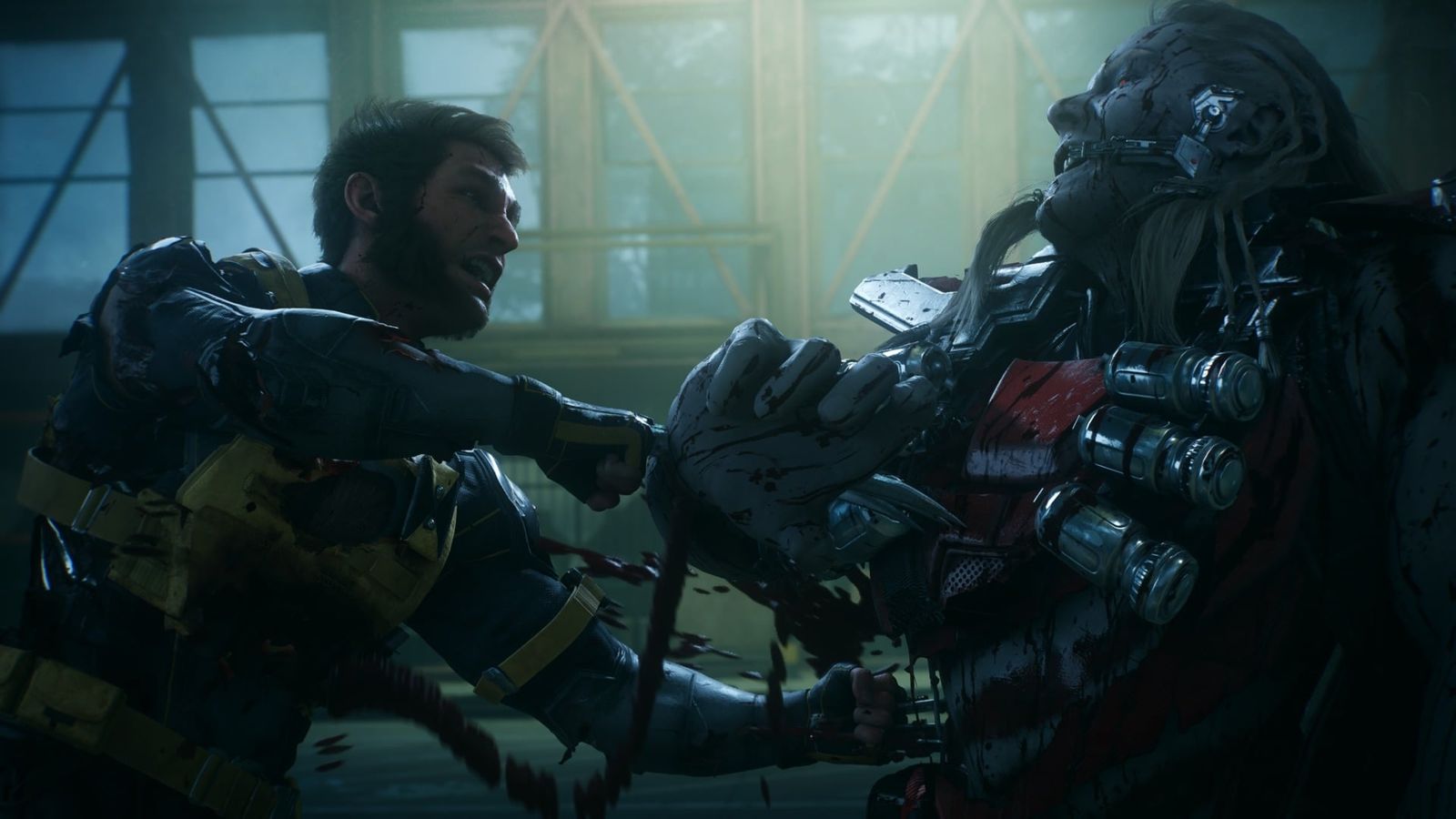
A New Vision for Logan
The release of Marvel’s Wolverine has sparked a significant industry conversation, pitting the creative vision of the development team against a modern player base accustomed to high-speed, fluid action games. According to Gizmodo, the project required a delicate balance between honoring decades of comic book history and establishing a distinct identity for this iteration of Logan. The writers and lead performers sought to ground the character in a more intimate, character-driven narrative, moving away from the ensemble-heavy focus of previous X-Men media.
However, this narrative focus has met friction with the game’s mechanical execution. While the game introduces a complex Rage system and tactical combat requirements—such as prioritizing Leader enemies and managing Reaver Snipers—some critics and players have noted that the combat loop can feel dated. The reliance on traditional, linear level design and specific parry-timing windows has led to a polarized reception, with some praising the tactical depth and others citing a lack of mechanical nuance compared to modern action-adventure benchmarks.
The Tactical Combat Divide
The core of the current discourse lies in the game’s combat mechanics, which IGN highlights as a system that rewards deliberate play over button-mashing. The inclusion of mechanics like the Rage Tier system, which forces players to balance aggressive damage output with the risk of being interrupted, creates a high skill ceiling. Yet, this system is frequently accused of being unforgiving, particularly when players are caught in long attack animations that cannot be easily canceled, leading to frustration during intense encounters.
The developers have defended these choices as intentional design, aimed at making the player feel the weight and struggle of Logan’s combat style. By forcing players to engage with systems like Nightmare Trials and XP Caches to unlock essential techniques like ‘Knee Breaker’ or ‘Unblockable Ender,’ the game attempts to gamify Logan’s growth. The tension, however, remains: does this ‘grounded’ approach feel authentic to the character, or does it simply feel like a technical limitation in an era of more fluid, reactive combat?
Stakes for the Franchise
The reception of Marvel’s Wolverine serves as a litmus test for the studio’s ability to handle the broader Marvel gaming license. With post-credits teases hinting at larger narrative arcs involving figures like Sabretooth and Apocalypse, as reported by Kotaku, the pressure is mounting. The studio must now decide whether to double down on their current design philosophy or pivot based on the community’s demand for more modern, fluid movement and combat systems.