


Viral Reactivation and the Long COVID Connection
A landmark study published in Nature on August 15, 2026, has identified a significant link between the reactivation of dormant viruses and the development of long COVID. Researchers from Boston Children’s Hospital, supported by the National Institutes of Health (NIH), analyzed more than 200,000 samples from 1,154 patients across 20 U.S. biomedical institutions. The data, generated over a year, points to a potential biological mechanism behind the persistent, disabling symptoms experienced by millions of survivors.
The research team identified 11 viruses that reactivated following hospital admission for COVID-19, including Epstein-Barr, cytomegalovirus, and herpes simplex 1. Most notably, the reactivation of Anelloviridae—a viral family typically latent in 90 percent of the population—showed a strong correlation with long-term physical disability. Contrary to prevailing theories that such reactivation is driven solely by immunosuppression, the study found that these viruses often reemerge in response to systemic inflammation, suggesting that even patients with seemingly functional immune systems are at risk.
Low-Cost Interventions for Heart Failure
Parallel to advancements in viral research, cardiologists at the Universitair Medisch Centrum Groningen (UMCG) have released findings on the efficacy of low-dose digoxin. The study indicates that this century-old medication, costing less than ten cents per daily dose, can reduce hospitalizations for heart failure patients by 25 percent.
With over 500,000 people in the Netherlands alone suffering from heart failure—a figure projected to rise—this intervention represents a significant shift in cardiovascular management. Lead researchers Dirk Jan van Veldhuisen, Kevin Damman, and Peter van der Meer emphasize that the accessibility of digoxin makes it a viable global tool for managing symptoms like fatigue and shortness of breath, potentially reducing the strain on healthcare systems by preventing costly emergency admissions.
Biomechanics and the Aging Population
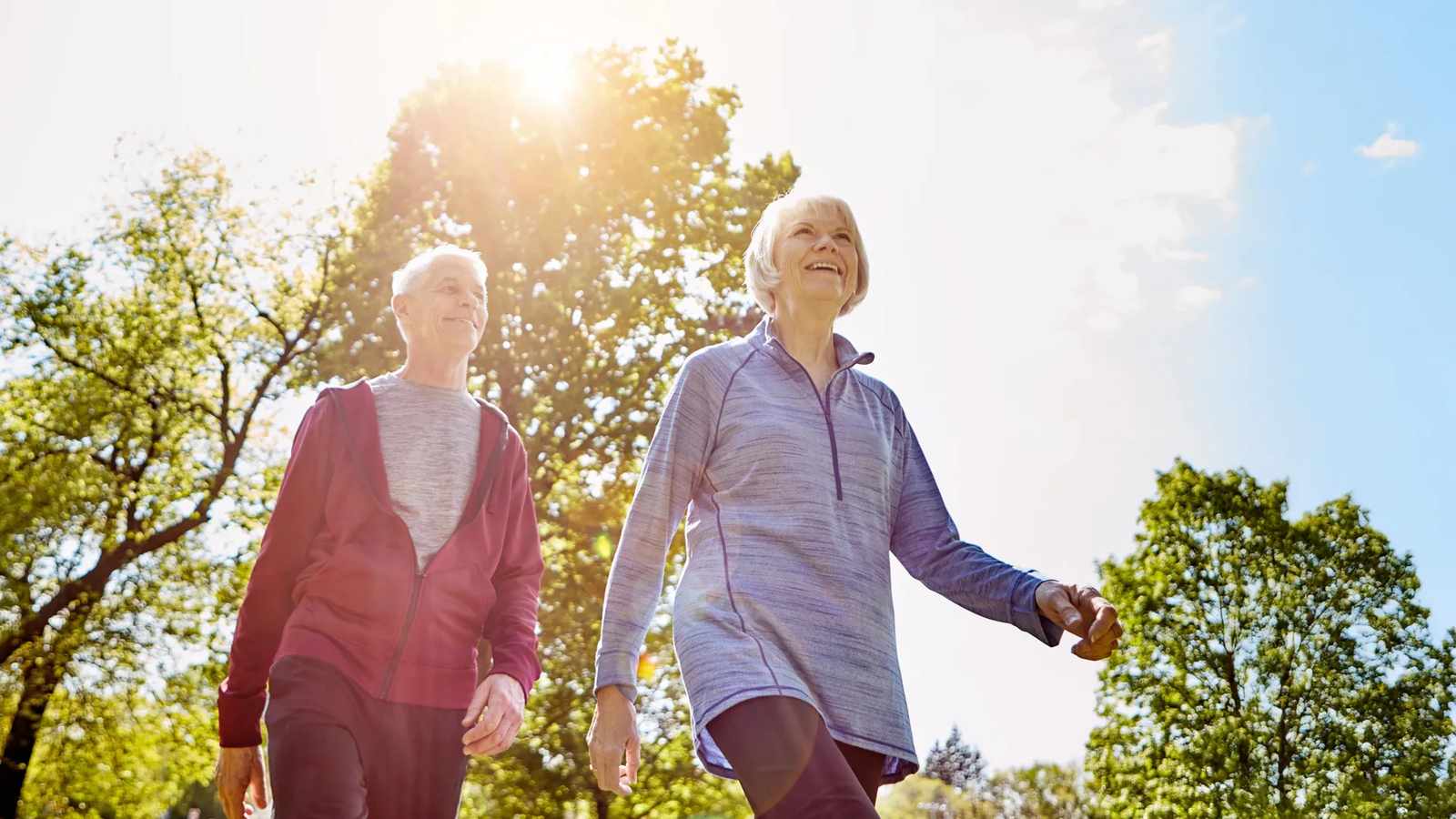
Further research released in mid-August 2026 focuses on the biomechanics of aging. Scientists have identified that as adults age, their gait patterns shift to prioritize stability over mechanical efficiency. This compensation strategy, while protective against falls, contributes to increased energy expenditure and reduced mobility. These findings are expected to inform new physical therapy protocols that target specific motor control pathways to improve functional independence in older adults.