


Pandemic Response and Responsibility
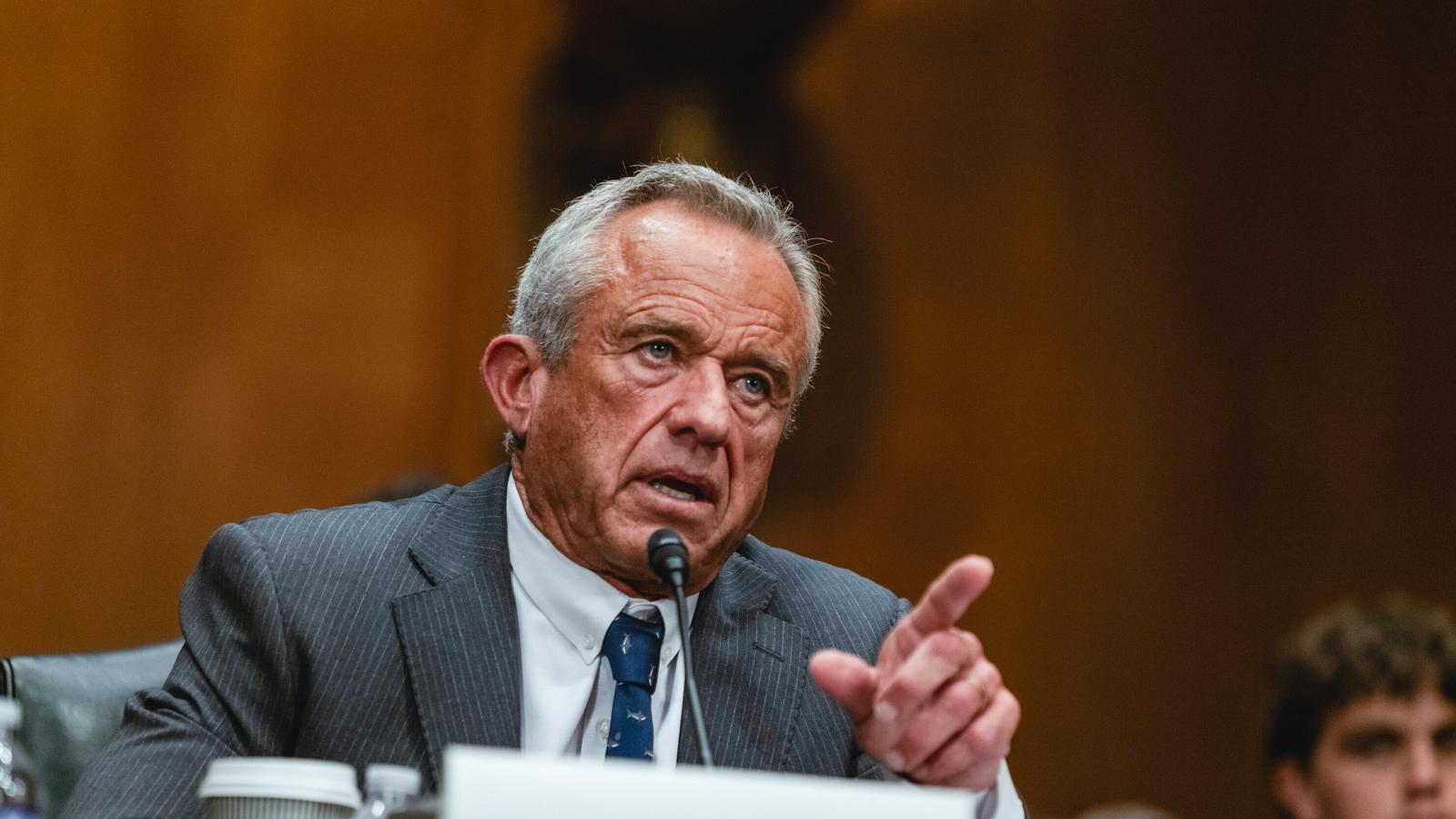
US Health and Human Services (HHS) Secretary Robert F. Kennedy Jr. utilized a Sunday appearance on CNN’s “State of the Union” to reshape the narrative surrounding the American response to the Covid-19 pandemic. In a contentious exchange with host Dana Bash, Kennedy shifted the blame for national lockdowns squarely onto Dr. Anthony Fauci, the former director of the National Institute of Allergy and Infectious Diseases.
Kennedy’s remarks followed a recent congressional hearing where Fauci invoked his Fifth Amendment rights over 100 times while facing intense scrutiny from Republican lawmakers. Kennedy argued that former President Donald Trump, who held office during the onset of the pandemic, was not responsible for the implementation of lockdowns, asserting that Trump had wanted to end them. However, public health experts point out that the lockdowns were enacted by state and local officials acting in response to overwhelmed hospital systems and critical shortages of ICU capacity.
Dr. Ashish Jha, who served as the White House Covid-19 response coordinator from 2022 to 2023, immediately challenged Kennedy’s framing. “Accountability has to be with our political leaders, not with scientists who are giving advice,” Jha stated, emphasizing that Kennedy’s claims regarding both policy and medical efficacy were “factually not true.”
Vaccine Claims and Public Health
The interview also touched upon the current measles resurgence, which has reached its highest case count in 35 years in the United States. Kennedy attributed the outbreaks to religious communities that decline vaccination. While outbreaks have indeed occurred in such communities, public health data shows that more than 90% of the nearly 800 cases reported in recent surges involved unvaccinated individuals. Health officials reiterate that the two-dose MMR vaccine remains 97% effective, and that outbreaks typically occur where vaccination rates fall below the 95% immunity threshold.
Kennedy also revisited claims regarding RSV (respiratory syncytial virus), asserting that it originated from “gain-of-function” research. Scientific consensus notes that RSV was identified in the 1950s, decades before modern gain-of-function techniques were developed. Furthermore, Kennedy suggested a link between prenatal acetaminophen exposure and autism, citing recent studies. However, major medical organizations maintain that the benefits of using acetaminophen for pain and fever during pregnancy continue to outweigh potential risks, noting that current research does not prove causation.
The secretary’s skepticism toward vaccines remains a point of contention within the medical community. While Kennedy claimed he has “never questioned the efficacy of the MMR vaccine,” he has previously suggested that waning immunity contributes to outbreaks. These public assertions stand in contrast to data from the World Health Organization and the CDC, which estimate that Covid-19 vaccines have saved millions of lives and significantly reduced the risk of severe illness in children.