


A Sudden Collapse of Fashion’s Biggest Night
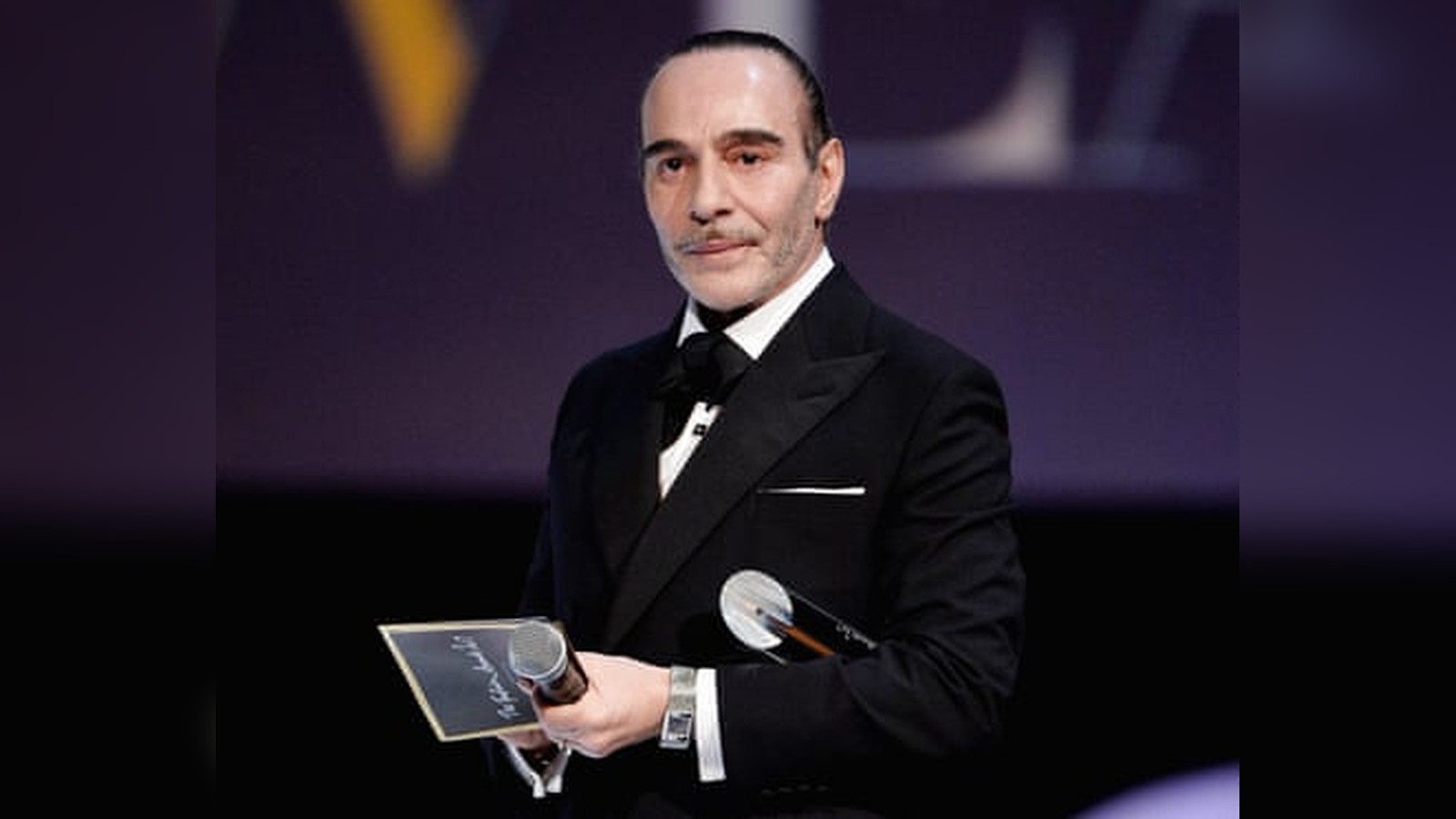
In a dramatic reversal for one of the world’s most prestigious cultural institutions, the Metropolitan Museum of Art and designer John Galliano announced on Monday, August 31, 2026, that his scheduled Spring 2027 Costume Institute exhibition has been cancelled. The decision follows intense public, political, and financial backlash over the designer’s past antisemitic and racist outbursts, which led to his high-profile arrest and conviction in France fifteen years ago. The exhibition, titled John Galliano: Horizons, was set to be the centerpiece of the annual Met Gala on May 3, 2027.
According to statements released by both parties, the cancellation was a mutual decision reached after weeks of mounting controversy. Max Hollein, Director and Chief Executive Officer of the Met, confirmed the museum would not proceed with the tribute. In a parallel Instagram post, Galliano expressed deep sadness but acknowledged that the exhibition would be ‘painful for some’ and stated he did not want the debate surrounding his personal history to distract from the work of the Costume Institute.
This report draws on information published by The Guardian.
The Leverage of Donor Resistance and Political Pressure
The cancellation marks a significant victory for a coalition of critics, including New York City politicians, Jewish community leaders, and major museum donors who mobilized rapidly against the exhibition. Reports from The New York Times revealed that opposition had reached the highest levels of the museum’s administration. Multiple prominent donors had directly contacted Met executives, threatening to withdraw substantial financial gifts and historical loans if the museum proceeded with honoring Galliano.
New York City Council Member Julie Menin was among the public officials who publicly urged the Met to reconsider the exhibition. The pressure culminated on Monday morning when the Met’s board of trustees was scheduled to convene for an emergency meeting specifically to debate the exhibition’s viability. The joint cancellation announcement was released just as the boardroom discussions were set to begin, indicating that the institutional risks of proceeding had become untenable.
Wintour’s Defense and the Curator’s Dilemma
The cancellation has also exposed internal fractures within the elite fashion and art establishments. Anna Wintour, Vogue’s global editorial director and a powerful Met trustee who has long championed Galliano’s career, issued a statement strongly supporting the designer. Wintour described Galliano’s decision to withdraw as ‘very courageous and a measure of the man he is,’ adding that both he and the museum retained her full support. This defensive stance contrasted sharply with the growing public indignation, highlighting the disconnect between fashion’s inner circle and the broader public standard of accountability.
Andrew Bolton, the chief curator of the Costume Institute, offered a more nuanced perspective, defending the academic role of museums while acknowledging public grief. ‘I believe deeply in the responsibility of museums to examine difficult histories with rigor, candor, and care,’ Bolton stated. However, he admitted that the planned tribute had caused immense pain and concern, leading him to support the cancellation after extensive consultations with community advisors and lenders.
The Unforgiven Legacy of La Perle
The roots of the controversy date back to 2011, when Galliano was summarily fired from his position as creative director of Christian Dior. His dismissal followed the circulation of video footage showing an inebriated Galliano making virulent antisemitic and racist remarks at La Perle, a bar in Paris. French authorities arrested the designer, and a Paris court subsequently found him guilty of public insults based on religion, race, and ethnicity—a hate crime under French law. He received a suspended fine of $8,400 (€6,000) and was ordered to pay damages.
In his statement on Monday, Galliano addressed this history directly, asserting that he remains ‘fully accountable for the pain caused by my words in the past, particularly the hurt I caused to the Jewish and Asian communities.’ While Galliano has spent the last fifteen years maintaining sobriety and working with organizations like the Anti-Defamation League to seek atonement, critics argued that a solo retrospective at the Met represented an inappropriate level of cultural canonization, effectively sanitizing a hate-crime conviction under the guise of artistic genius.
Institutional Precedent and the Void of 2027
A solo exhibition at the Costume Institute is one of the rarest honors in the global art world. If the show had proceeded, Galliano would have been only the third living designer in history to receive a solo retrospective at the Met, following Yves Saint Laurent in 1983 and Rei Kawakubo in 2017. The decision to cancel deprives Galliano of what would have been the ultimate validation of his professional rehabilitation.
The Met now faces the immediate logistical challenge of redesigning its entire Spring 2027 exhibition and establishing a new theme for the highly lucrative Met Gala. Museum organizers have stated that announcements regarding a replacement exhibition and the overall theme for the 2027 edition will be made at a later, unspecified date. The episode leaves cultural institutions worldwide with a stark reminder that artistic brilliance no longer guarantees immunity from systemic financial and ethical accountability.