


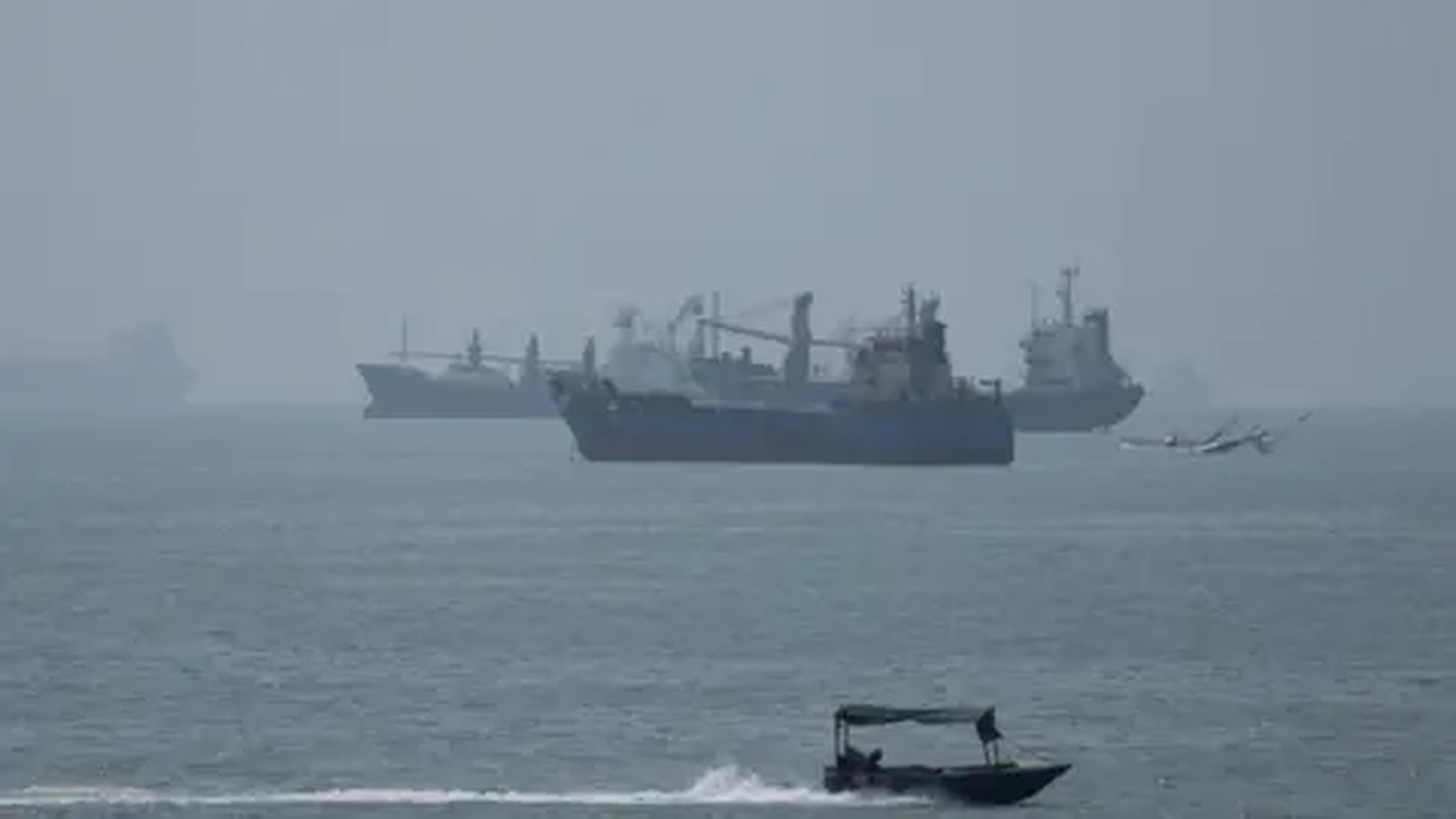
The Flashpoint at Larak Island
On August 31, 2026, a volatile six-month regional standoff escalated into a direct military exchange between the United States and Iran. According to statements from U.S. Central Command (CENTCOM) and Iran’s Islamic Revolutionary Guard Corps (IRGC), the kinetic spiral began on Sunday, August 30, when U.S. forces launched what CENTCOM described as "limited, precise action" against IRGC rocket launchers and naval mine-laying infrastructure on Larak Island. Located just off the coast of Bandar Abbas, Larak Island occupies a highly strategic position directly overlooking the Strait of Hormuz.
CENTCOM spokesperson confirmed that the pre-emptive strike was ordered after surveillance observed Iranian forces preparing to launch rockets and deploy sea mines into the vital shipping lane. The IRGC acknowledged the attack, stating that the American bombardment killed two of its personnel and injured two others. IRGC spokesperson Sardar Mohebi condemned the strike as a "strategic and fatal mistake," warning that Washington would face immediate "response and punishment."
Tehran’s Retaliation Against U.S. Bases in Jordan
The Iranian military response materialized early Monday morning. The IRGC launched a salvo of ballistic missiles targeting two military facilities in Jordan—the King Hussein and Al Azraq air bases—which host American forces. The Jordanian Armed Forces confirmed they intercepted eight Iranian missiles that breached the country’s airspace. Concurrently, Iranian state television claimed that the Iranian army targeted the Al-Minhad Air Base in the United Arab Emirates using drones. However, the UAE Ministry of Defence swiftly denied these reports as "unfounded," though it did confirm that its air defense forces successfully intercepted an unauthorized drone within its territorial waters.
In Tehran, the political leadership framed the retaliatory strikes as a legitimate exercise of national sovereignty. The Iranian Foreign Ministry issued a comprehensive statement declaring that its armed forces would not hesitate to exercise their "inherent right to legitimate self-defense" under Article 51 of the UN Charter. Iranian President Massoud Pezeshkian, speaking to reporters before departing for the Shanghai Cooperation Organisation (SCO) summit in Bishkek, Kyrgyzstan—where he is scheduled to hold bilateral talks with Russian President Vladimir Putin—reiterated that while Tehran does not seek a broader war, it will deliver a decisive response to any external aggression.
The Battle for the Strait of Hormuz
The military exchange has immediately impacted global energy markets. Brent crude futures jumped 2.52 percent to $90.32 a barrel, while West Texas Intermediate (WTI) rose to $85.41. The Strait of Hormuz, a narrow 21-mile waterway through which approximately 20 percent of the world’s liquefied natural gas and petroleum transit, has been effectively closed to commercial traffic since the outbreak of broader hostilities in February.
The conflict has devolved into an economic war of attrition. Iranian authorities have demanded that all commercial tankers navigate close to Larak Island for mandatory inspections, reportedly extorting transit fees of up to $2 million per vessel. In response, the United States reinstated a strict naval blockade on July 14. CENTCOM recently disclosed that since the blockade’s implementation, U.S. forces have redirected 83 commercial vessels, boarded two, and disabled three others suspected of violating international transit protocols or cooperating with Iranian maritime authorities.
Adding to the tension, Iranian state media outlet Tasnim published images of a supertanker allegedly on fire after striking naval mines in the strait. CENTCOM immediately disputed the report, characterizing it as an IRGC disinformation campaign designed to intimidate commercial shipping.
Diplomatic Maneuvers and Washington’s Warnings
While military operations escalate, Iran is actively managing the diplomatic fallout. Iranian Foreign Minister Abbas Araghchi held urgent telephone consultations with Saudi Foreign Minister Prince Faisal bin Farhan, Turkish Foreign Minister Hakan Fidan, and Pakistan’s Army Chief Field Marshal Asim Munir. The diplomatic outreach appears aimed at reassuring regional powers while warning countries hosting U.S. military installations that they will be held responsible if their territory or airspace is utilized for American operations against Iran.
In Washington, the political response has been aggressive. Former President Donald Trump posted AI-generated videos on Truth Social depicting the destruction of Iranian oil infrastructure, specifically referencing Kharg Island—Iran’s primary oil export terminal. Speaking to Fox News, Trump warned that the United States would "hit them hard" in response to the strikes on Jordan. Iran’s Deputy Foreign Minister Kazem Gharibabadi dismissed these statements as empty "propaganda" intended to mask Washington’s strategic vulnerability. With Treasury Secretary Bessent announcing a weekly escalation of economic sanctions, the military and economic pressure on Tehran continues to mount, leaving little room for immediate diplomatic de-escalation.