


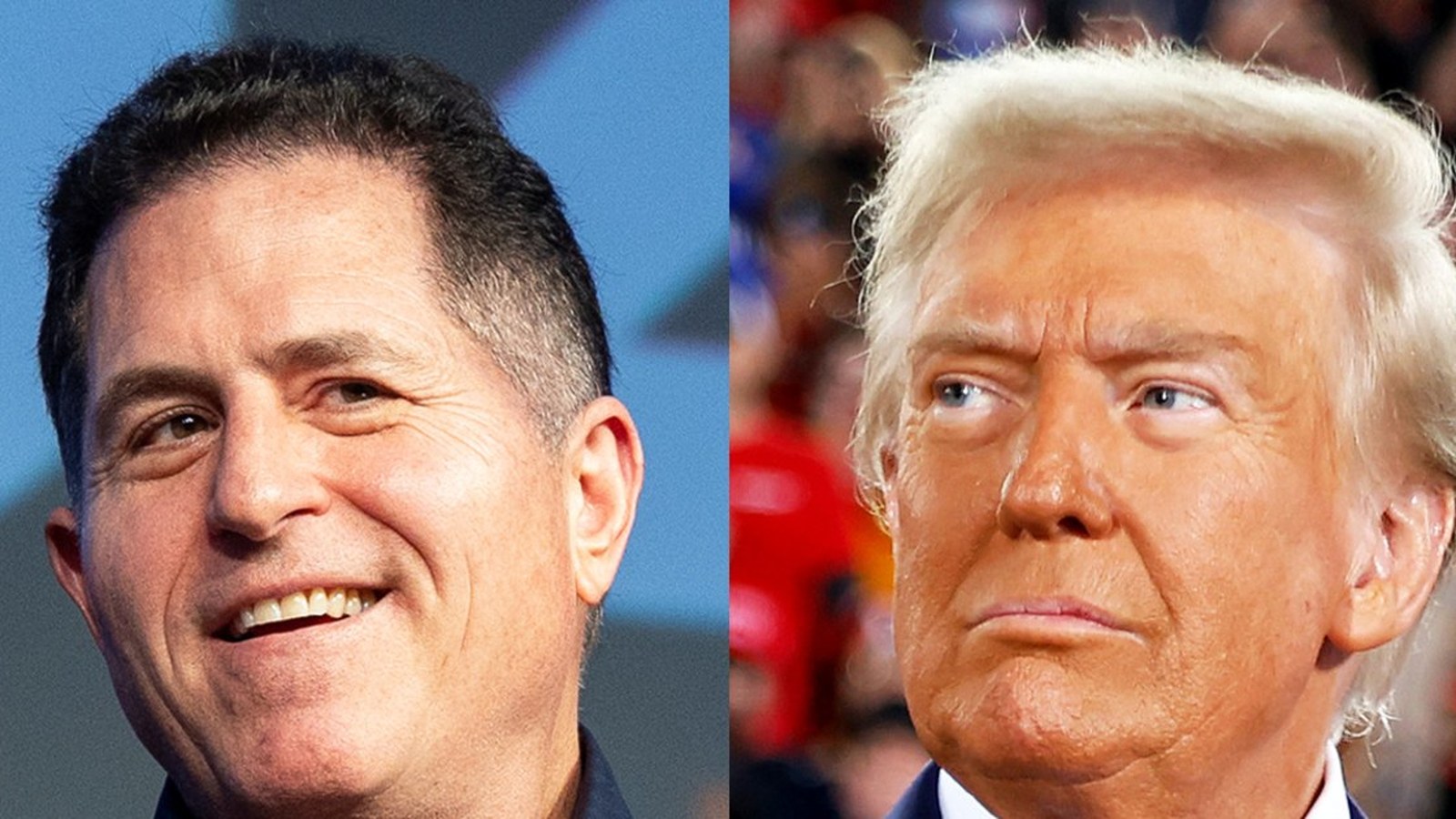
Michael Dell’s Record-Breaking Philanthropy: A Vision for Children’s Futures
On December 2, 2025, Michael and Susan Dell announced a groundbreaking pledge: $6.25 billion dedicated to creating investment accounts for 25 million American children. This isn’t just another charitable donation—it’s the largest ever devoted to children in U.S. history, according to nonprofit Invest America.
But what’s the story behind these “Trump Accounts”? Why now, and why so much?
What Are ‘Trump Accounts’ and Who Benefits?
The federal government’s new program, passed as part of the “One Big Beautiful Bill Act,” allows parents to open tax-advantaged investment accounts for U.S. citizens under 18 with a Social Security number. For every child born from January 2025 to December 2028, the Treasury will deposit a $1,000 grant into these accounts—dubbed “Trump Accounts”—beginning July 4, 2026. Parents can add up to $5,000 per year, and the accounts are locked until the child turns 18, when assets roll into an IRA.
But what about the millions of children who missed the eligibility cutoff? This is where the Dells step in. Their $6.25 billion pledge will seed accounts with $250 for children age 10 and under, born before January 1, 2025, focusing on ZIP codes with median incomes of $150,000 or less. According to Invest America, this covers nearly 80% of children 10 and under in 75% of U.S. ZIP codes.
The Motivation: A New Era in Family Wealth Building
Michael Dell, founder and CEO of Dell Technologies, was inspired by hedge fund manager Brad Gerstner’s vision. Gerstner, CEO of Altimeter Capital, advocated for the federal program through Invest America. “We know that when children have accounts like this, they’re much more likely to graduate, buy a home, start a business, and less likely to be incarcerated,” Dell told CNBC.
Dell’s hope is simple but profound: “What we hope is that every child sees a future worth saving for.” The program isn’t just about numbers; it’s about momentum, confidence, and opportunity. “If there’s one investment that never stops growing, it’s investing in children. They are our future,” the Dells stated.
How Will the Money Work?
Every eligible child receives an automatic $250 deposit if their parents open an account. For newborns in 2025–2028, the government chips in $1,000. These accounts are designed to be simple and secure, restricted to low-cost index funds or ETFs tracking the S&P 500 or similar American stock indices. Withdrawals aren’t permitted until age 18, after which the assets can roll into a traditional IRA for continued growth.
Charles Schwab’s tax planning director, Hayden Adams, notes that with a $5,000 annual contribution and a 6% growth rate, a child could amass $191,000 by age 18. While most families won’t hit the maximum, the Dells’ seed money is meant to spark a saving culture, making it easier for families to invest in their children’s futures.
The Scale and Impact: Beyond Numbers
The sheer size of the Dells’ pledge is almost unprecedented. Their previous giving totaled $2.9 billion; this new gift more than doubles that figure. Michael Dell, now the world’s 11th richest individual with a net worth of $148 billion (Bloomberg Billionaires Index), has watched his fortune grow in recent years thanks to Dell Technologies’ pivotal role in AI and server infrastructure.
Yet, the Dells’ focus remains on impact. They’re not alone—Dell Technologies has pledged to match federal grants for employees’ children, and other philanthropists may join the cause. The program also lowers barriers for corporations and nonprofits to make large-scale charitable contributions. The closest precedent is Harold Alfond’s foundation, which gives $500 educational grants to every child born in Maine.
Potential Limitations and Criticisms
While the Trump Accounts are easy to open and seed, they lack some tax advantages of traditional 529 plans or Roth IRAs. Withdrawals are taxed upon conversion to an IRA at age 18. Some experts argue that the $250 or $1,000 seed is only the beginning—real wealth building depends on sustained contributions and market growth.
Still, the accounts offer the promise of compound growth, financial literacy, and the psychological boost of having assets in a child’s name. “These investment accounts are simple, secure, and structured to grow in value through market returns over time,” the Dell family said.
A National Conversation: What’s Next?
Michael Dell joined President Trump at the White House to announce the initiative, signaling bipartisan support and a commitment to making child savings a national priority. The program is set to launch in 2026, with IRS guidance forthcoming. Children older than 10 could benefit if funds remain after initial sign-ups, and the infrastructure exists for expansion.
The Dells hope their donation will encourage other philanthropists and corporations to step up, multiplying the impact for future generations. As Michael Dell put it, “You think about the compounding effect of a program like this in 10, 20, 30 years on millions of children. That’s what gets us excited.”
Assessment: Michael Dell’s $6.25 billion donation is more than a record-breaking act of generosity—it’s a catalyst for systemic change in how Americans think about children’s financial futures. By filling the gaps left by federal policy, the Dells are setting a new standard for inclusive, large-scale philanthropy, with the potential to reshape the landscape of opportunity for millions of young Americans. The initiative’s long-term success will hinge on broad participation, sustained contributions, and the enduring commitment of both the public and private sectors.