


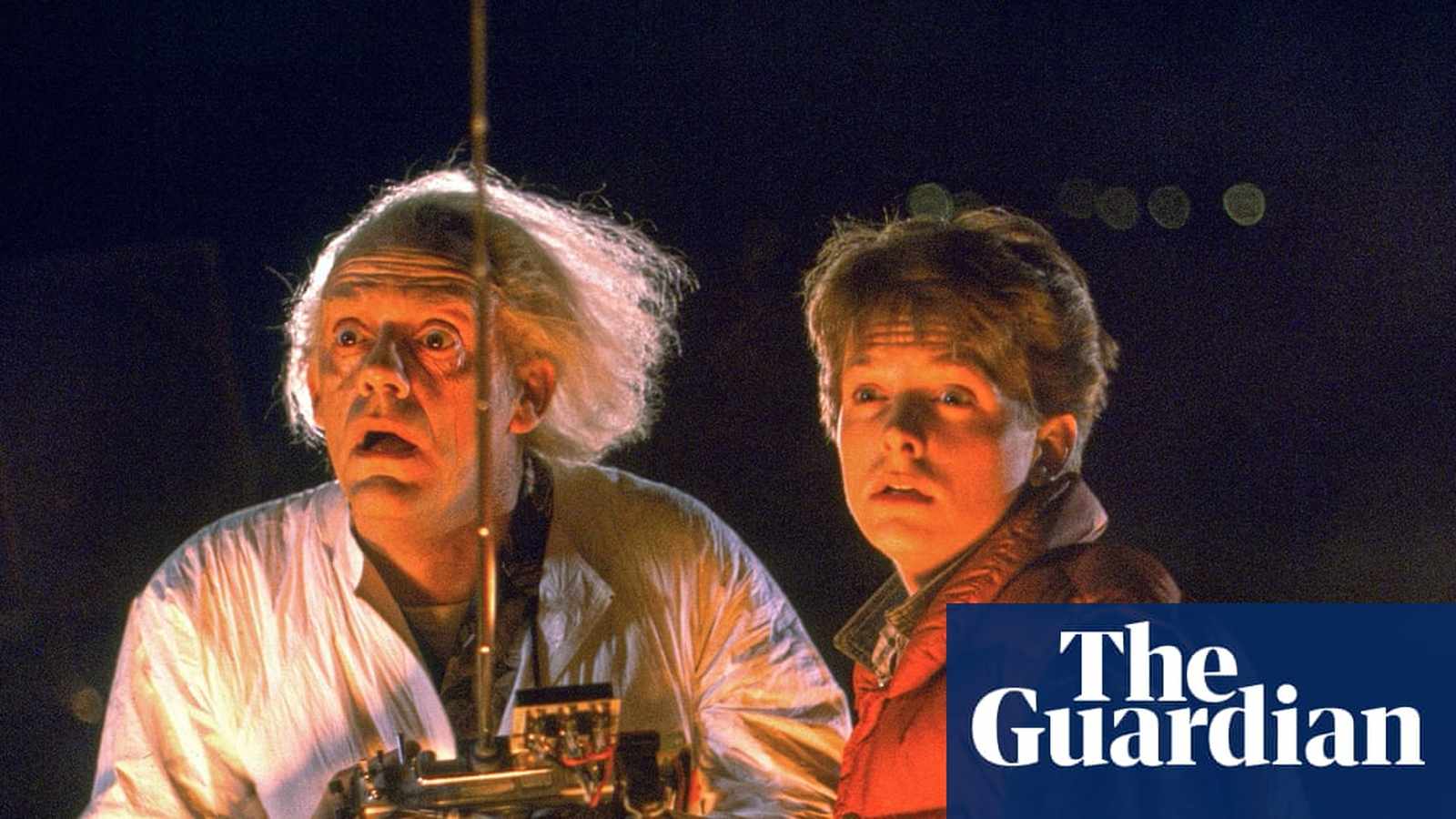
Inside Michael J. Fox’s Hardest Year: The Making of a Hollywood Legend
In 1985, Michael J. Fox wasn’t just another young actor trying to make it big. He was living on the edge of exhaustion, pulling nearly 20-hour days, six days a week, while starring as Alex P. Keaton in the hit sitcom Family Ties and simultaneously filming what would become a cinematic classic: Back to the Future. Forty years later, Fox’s new memoir, Future Boy: Back to the Future and My Journey Through the Space-Time Continuum, co-authored with Nelle Fortenberry, peels back the Hollywood gloss to reveal the chaos, determination, and sheer grit behind his meteoric rise.
The Relentless Pace That Defined an Era
Fox’s account, as shared in his memoir and reported by SSBCrack News, offers a window into a pre-digital Hollywood, when labor protections were scant and youthful ambition filled the gaps. At just 23, Fox’s schedule was a logistical marvel—and a human challenge. With little to no buffer time in contracts, he’d wrap a late-night shoot for Back to the Future only to rush across town for an early-morning taping of Family Ties. It was a test of physical and emotional endurance few could withstand, let alone thrive in.
Despite his modest height—5 feet 4 inches—Fox’s presence loomed large. The producers of Family Ties found his stature, and his ability to convincingly play younger characters, to be an unexpected advantage. It helped secure his U.S. work visa, but it was Fox’s relentless drive and infectious energy that made him a star. Photographs from that era, he recounts, show him grinning on set at 3:00 am, the fatigue hidden behind unflagging enthusiasm.
The Marty McFly Gamble: A Role Won on Faith and Stamina
Fox’s journey to becoming Marty McFly was hardly straightforward. Initially, Eric Stoltz was cast in the lead, but after a month of filming, director Robert Zemeckis and producer Steven Spielberg decided to recast the role. Fox, already stretched thin by his TV commitments, was their unlikely savior. “I was exhausted, but I couldn’t say no,” Fox recalls. Balancing two productions meant living in a constant state of transit, sometimes forgetting which character he was supposed to be as he dashed from one set to the other.
His background—skateboarding in suburban Toronto, jamming in garage bands—prepared him for the physicality and cool of Marty McFly. Yet the stakes were daunting. “There were nights I wondered if I’d make it through,” Fox admits in Future Boy. Crew members remember him as a whirlwind of focus and charm, rarely complaining, always ready to deliver another take, whether it was a time-traveling DeLorean sprint or a heartfelt family scene.
Behind the Scenes: The Realities of ’80s Hollywood
The memoir doesn’t just chronicle Fox’s personal journey—it paints a vivid picture of the Hollywood machine in the 1980s. The cast and crew’s first impression of the DeLorean, for example, was far from awe; many saw it as a clunky curiosity, hardly the stuff of science fiction legend. Yet, with the magic of cinema and Fox’s performance, the car became an icon.
Fox’s stories are peppered with the music and spirit of the decade. The soundtrack, from Huey Lewis’s “The Power of Love” to Alan Silvestri’s sweeping score, is woven into the narrative. Fox details how even the technical aspects—like the timing of skateboard stunts—were meticulously choreographed, with mishaps and improvisation often making the final cut.
One of the memoir’s most touching anecdotes involves a handwritten audience card, kept by Zemeckis, calling Back to the Future “the most Godly movie I’ve seen.” Fox doesn’t dwell on critical analyses of the film’s legacy; instead, he offers snapshots of genuine fan reactions and the sense of communal discovery that marked the film’s release.
Legacy and Reflection: The Making of a Pop Culture Icon
Looking back, Fox recognizes that his breakneck schedule was both a blessing and a curse. The work ethic instilled in those formative years carried him through later challenges, including his public battle with Parkinson’s disease. “That period taught me what I was made of,” Fox writes. “It’s the chaos and the camaraderie I remember most.”
His memoir is more than a nostalgic trip; it’s a candid reflection on the costs and rewards of ambition. Fox’s humility shines through as he credits colleagues and friends for filling in memory gaps left by exhaustion. He doesn’t shy away from acknowledging the toll such a lifestyle can take, even as he marvels at the opportunities it afforded him.
For fans of Back to the Future, the book offers a treasure trove of behind-the-scenes moments—like the night he shot the iconic “Johnny B. Goode” scene after a full day on the sitcom set, or his awe at working alongside Christopher Lloyd and Lea Thompson. But for Fox, the true story is about perseverance, teamwork, and the fleeting nature of fame in a rapidly changing industry.
Michael J. Fox’s “Future Boy” stands as a testament to an era of Hollywood that demanded everything from its stars, sometimes at great personal cost. His story is a reminder that behind every iconic role is a human being pushing against the limits—and occasionally finding magic in the madness.