


A Historic Milestone
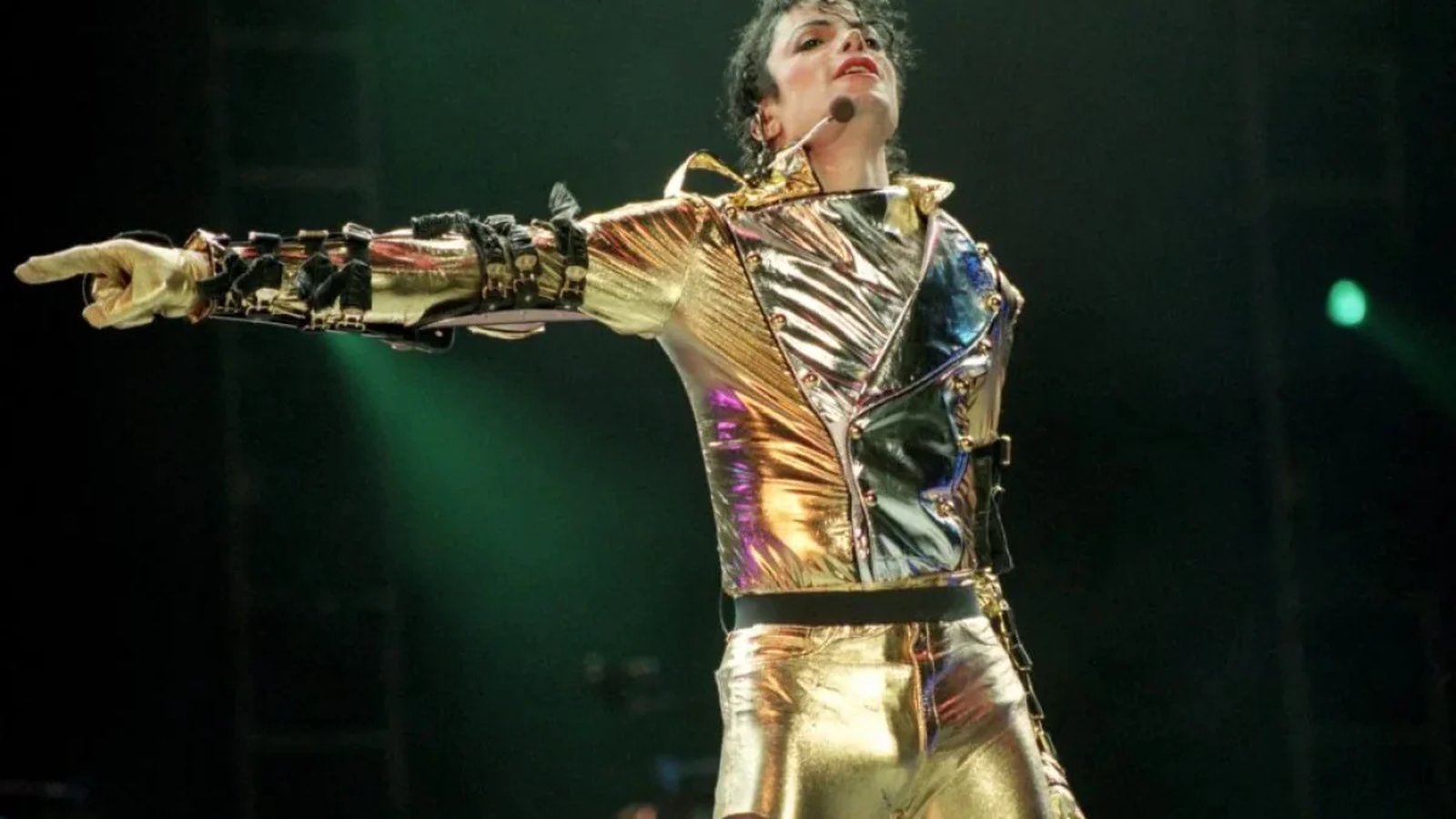
Michael Jackson has solidified his place in music history, becoming the first and only artist to chart on the Billboard Hot 100 in every decade since the 1970s. The milestone was achieved for the week of June 6, 2026, with the debut of the track “Chicago” at No. 30.
Originally recorded in 1999 during sessions for the Invincible album, “Chicago” was later reworked for the 2014 posthumous release Xscape. Despite its long history in the archives, the song’s recent entry into the Hot 100 marks Jackson’s 52nd solo hit. According to Billboard, the surge in interest is largely tied to the global success of the biopic Michael, which has grossed nearly $850 million worldwide.
The Streaming-Driven Resurgence
The chart performance of “Chicago” is part of a broader trend of catalog reclamation in the streaming era. Alongside the new entry, Jackson’s classics “Billie Jean,” “Human Nature,” and “Don’t Stop ‘Til You Get Enough” have also seen significant chart movement throughout 2026. Data indicates that “Chicago” has accumulated over 388 million streams, proving that archival material can achieve contemporary commercial relevance when supported by high-profile cultural touchpoints.
Analysis: The New Economics of Catalog Hits
The six-decade feat highlights a fundamental shift in the music industry: the “hit” is no longer strictly defined by a synchronized release and marketing cycle. Instead, the combination of biopic-driven nostalgia and algorithmic discovery on platforms like TikTok allows decades-old recordings to function as new product. For rights holders, this transformation turns long-dormant assets into active revenue generators. Jackson’s record underscores that for global icons, the commercial lifespan of a catalog is effectively infinite, provided that institutional storytelling—such as film or documentary—continues to bridge the gap between legacy listeners and new generations.