


Ministerial rebuke over media platforming
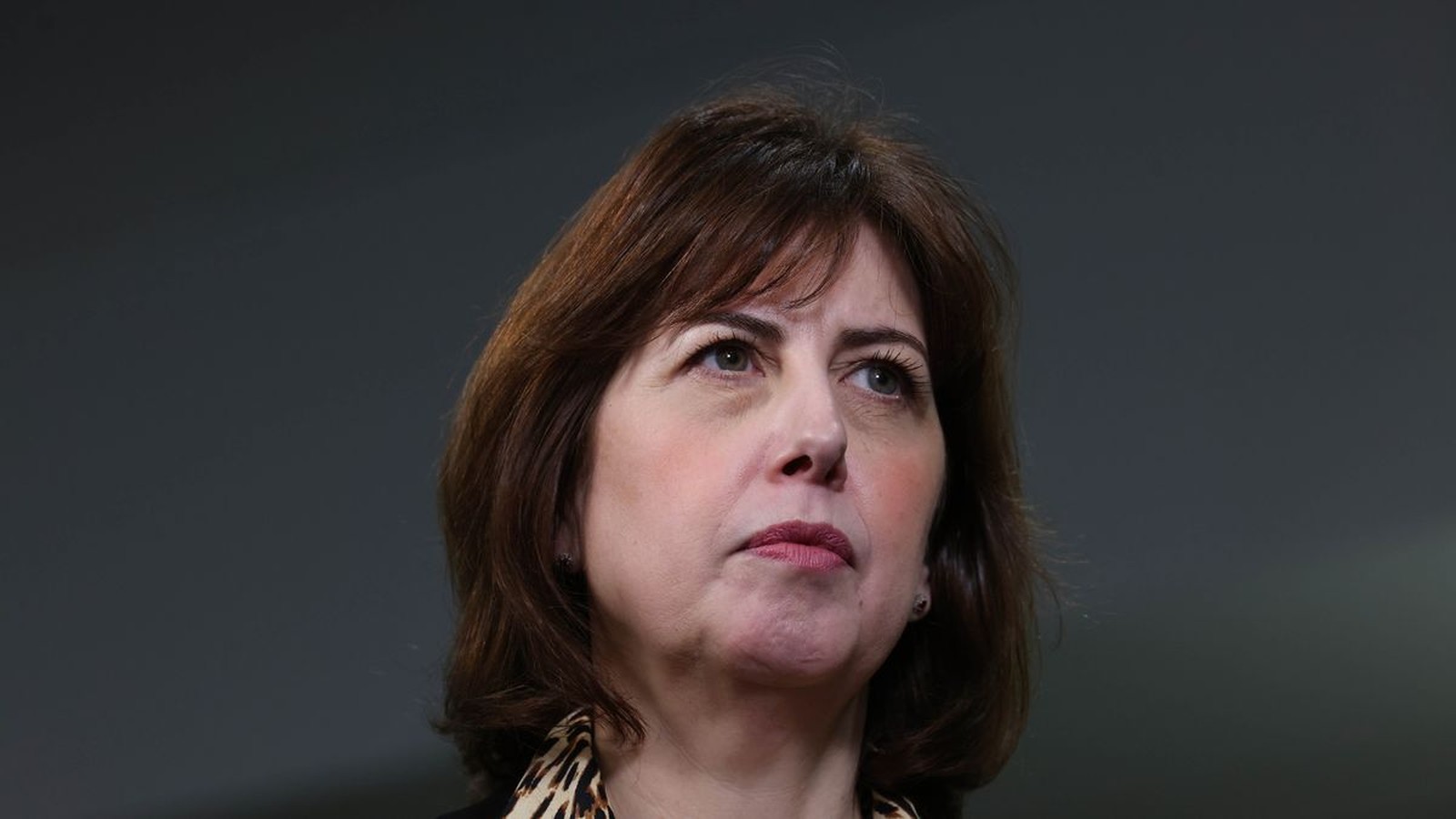
On November 15, 2026, Education Secretary Lucy Powell publicly criticized mainstream media organizations for their decision to broadcast a recorded message from convicted sex offender Russell Brand. The message, which was originally shared by Brand’s wife, Laura Gallacher, on a YouTube podcast on Sunday, November 15, 2026, featured the 51-year-old inmate denying his responsibility for the crimes for which he was recently incarcerated. Ms. Powell, speaking to LBC Radio, expressed her strong disapproval of the decision by broadcasters to air clips of the recording, arguing that such platforms should not be used to amplify the voices of individuals convicted of serious sexual offenses who demonstrate no remorse.
“I was appalled at that and actually I think mainstream media shouldn’t have transmitted that either,” Ms. Powell stated in an interview reported by the Evening Standard. The Education Secretary highlighted that Brand is currently serving a 10-and-a-half-year prison sentence following his conviction for rape and sexual assault. She emphasized that providing a platform to a convicted rapist who lacks sensitivity toward their victims creates a significant ethical conflict for news organizations.
Government response and legislative review
The controversy surrounding the media’s handling of Brand’s statements has coincided with a broader government review into sexual consent laws. Ms. Powell confirmed that the government is “seriously looking” at potential changes to the age of sexual consent in the United Kingdom. This policy review has gained momentum following public allegations from individuals such as Mia Latter, who has campaigned for legal reforms after alleging she was raped by Brand when she was a 16-year-old schoolgirl. Current laws allow adults to legally engage in sexual activity with consenting 16 and 17-year-olds; however, high-profile cases have sparked a national debate on whether a staggered age of consent is necessary to protect younger individuals from potential exploitation by those in positions of status or influence.
Home Secretary Shabana Mahmood has also weighed in on the legislative process, noting the complexity of such reforms. Speaking to journalists following a policing conference, the Home Secretary stated: “We have to make sure that we have considered all of the potential implications of a law change, and also thought about enforcement.” The government is currently prioritizing consultations with victims and experts to assess the impact any potential change might have on the relationships of teenagers and the broader legal framework. The debate remains centered on where the line should be drawn in legislation to balance individual autonomy with the necessity of protecting minors from abuse.
Institutional tension and accountability
The criticism leveled by Ms. Powell also reflects a shift in how political figures interact with media platforms that host figures with controversial histories. During her interview, Ms. Powell addressed her past association with former Labour leader Ed Miliband, who appeared on Brand’s online show in 2015. She noted that the context of that appearance was significantly different, as the serious criminal allegations against Brand had not yet surfaced. By distancing the current government from such associations, the Education Secretary is reinforcing a standard of accountability that excludes the normalization of convicted offenders in public discourse. The ongoing investigation into whether Brand breached prison rules by recording the message further complicates the situation, as authorities seek to determine how a prisoner serving a lengthy sentence was able to disseminate content for public consumption. As the legal review continues, the government faces pressure to balance the principles of free expression with the societal need to limit the influence of those convicted of heinous crimes.