


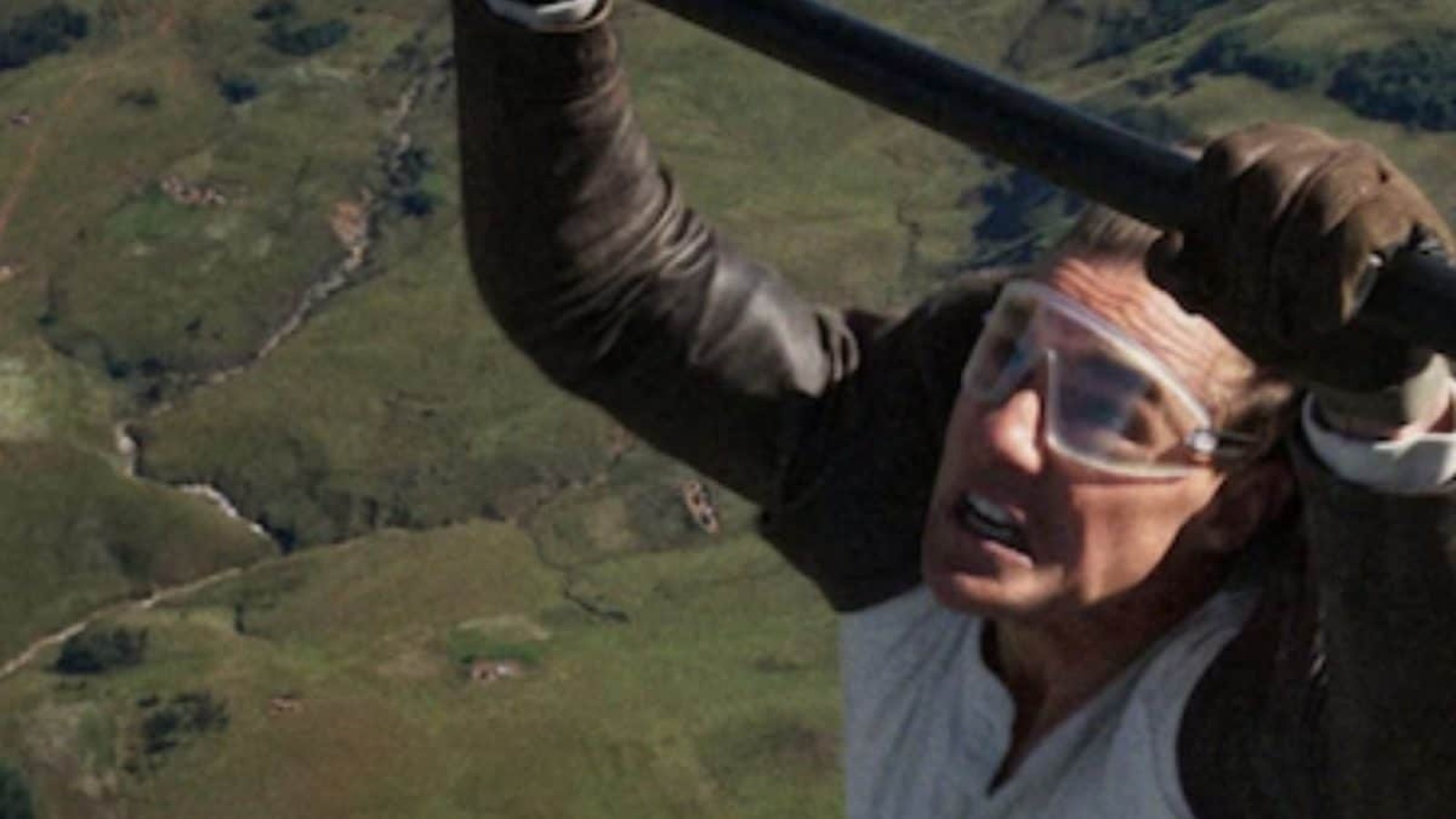
Mission: Impossible’s Endgame: Tom Cruise’s Grand Finale
As the curtain fell on 2025, few Hollywood blockbusters generated as much anticipation—or delivered on it—as Mission: Impossible – The Final Reckoning. Tom Cruise, synonymous with daredevil stunts and relentless energy, reprised his role as Ethan Hunt for what was billed as the franchise’s final mission. This wasn’t just another action flick; it was a cultural event, a send-off steeped in both nostalgia and fresh adrenaline, designed to honor nearly three decades of cinematic espionage.
Box Office Domination and Audience Impact
The film’s release was met with packed theaters and a palpable sense of excitement among fans, both seasoned and new. According to News18, Mission: Impossible – The Final Reckoning stood firmly among the top five Hollywood hits of 2025, demonstrating the franchise’s enduring appeal and Cruise’s continued star power. Social media buzzed with discussions, and box office records were challenged, if not outright shattered. Audiences praised the film’s blend of high-stakes action, emotional callbacks to earlier entries, and a cast that included not only Cruise but supporting stars like Pom Klementieff, whose performance was highlighted during the year’s promotional tours (Red Carpet Fashion Awards).
Legacy and Franchise Evolution
To understand the significance of The Final Reckoning, it’s worth recalling how the franchise found its footing. After stylistic shifts in its first two films, 2006’s Mission: Impossible III (directed by J.J. Abrams) set the tone for the series’ future: intense, character-driven stakes and globe-trotting intrigue, as noted by Collider. Over the years, the franchise evolved from slick spy spectacle to a more emotionally resonant saga, balancing personal danger with cinematic spectacle. Directors like Brad Bird contributed to this momentum with entries like Ghost Protocol, before moving on to other projects, leaving Christopher McQuarrie to redefine the series’ long-term direction (Spoiler Bolavip).
By 2025, the formula had matured into something uniquely its own: a blend of relentless action, global scale, and personal stakes. The Final Reckoning paid homage to its roots, weaving in references and characters from previous films, while pushing the envelope with its most daring stunts yet. Cruise’s commitment to performing his own action scenes remained a focal point, drawing both awe and concern from fans and industry insiders alike.
A Star-Studded Cast and Global Promotion
Beyond Cruise, the film’s ensemble helped cement its blockbuster status. Pom Klementieff’s role added a new layer of intensity, and her standout presence was recognized in the 2025 promo tour circuit (Red Carpet Fashion Awards). The marketing blitz was nothing short of spectacular, with cast members making headlines for their fashion and interviews, fueling fan excitement worldwide.
This promotional machine wasn’t just about glitz—it was about connecting with audiences on a deeper level. The film’s narrative leaned heavily on themes of sacrifice, loyalty, and the personal cost of heroism, resonating with longtime fans who had grown alongside the franchise. For many, The Final Reckoning felt like the closing chapter of a beloved saga, both thrilling and bittersweet.
Critical and Cultural Reception
Critics and audiences alike lauded the film for its technical mastery and emotional depth. The action sequences were described as some of the most intense in the series, while the story’s focus on Ethan Hunt’s legacy provided a satisfying emotional anchor. The film’s ability to balance spectacle with heart was frequently cited as a key factor in its success.
Social media reactions reflected a genuine sense of loss at Cruise’s final outing as Hunt. Memes, tribute videos, and retrospective threads proliferated, with fans sharing favorite moments from past films and debating where The Final Reckoning ranked among the franchise’s best. For many, the film became more than just entertainment—it was a touchstone for memories spanning decades.
Directorial Decisions and Franchise Fate
Behind the scenes, the journey to The Final Reckoning was shaped by significant directorial choices. Brad Bird, who helmed Ghost Protocol, opted not to return for subsequent installments, preferring to pursue original projects. Christopher McQuarrie’s continued involvement ensured a steady creative vision, helping the franchise maintain its momentum and signature style (Spoiler Bolavip).
This consistency paid off: rather than succumbing to the fatigue that often plagues long-running franchises, Mission: Impossible managed to reinvent itself, keeping the stakes fresh and the action compelling. The franchise’s ability to attract new talent while honoring its legacy proved crucial in maintaining its cultural relevance.
Looking Back: The Franchise’s Place in Cinema
As the dust settles on The Final Reckoning, the Mission: Impossible series stands as a rare example of a franchise that not only survived but thrived across decades. Its willingness to evolve, take creative risks, and invest in character-driven storytelling set it apart in a crowded action landscape.
- The series solidified Tom Cruise’s reputation as one of Hollywood’s most committed action stars.
- It demonstrated the power of well-executed sequels and threequels to redefine a franchise’s identity (Collider).
- And, most importantly, it forged a lasting connection with fans, who now bid farewell to Ethan Hunt with both gratitude and anticipation for what cinematic adventures might come next.
In the end, Mission: Impossible – The Final Reckoning didn’t just mark the conclusion of a beloved franchise—it set the standard for how action blockbusters can blend spectacle, emotion, and legacy. Cruise’s final bow as Ethan Hunt is a testament to the enduring power of character-driven storytelling in Hollywood’s biggest franchises.