


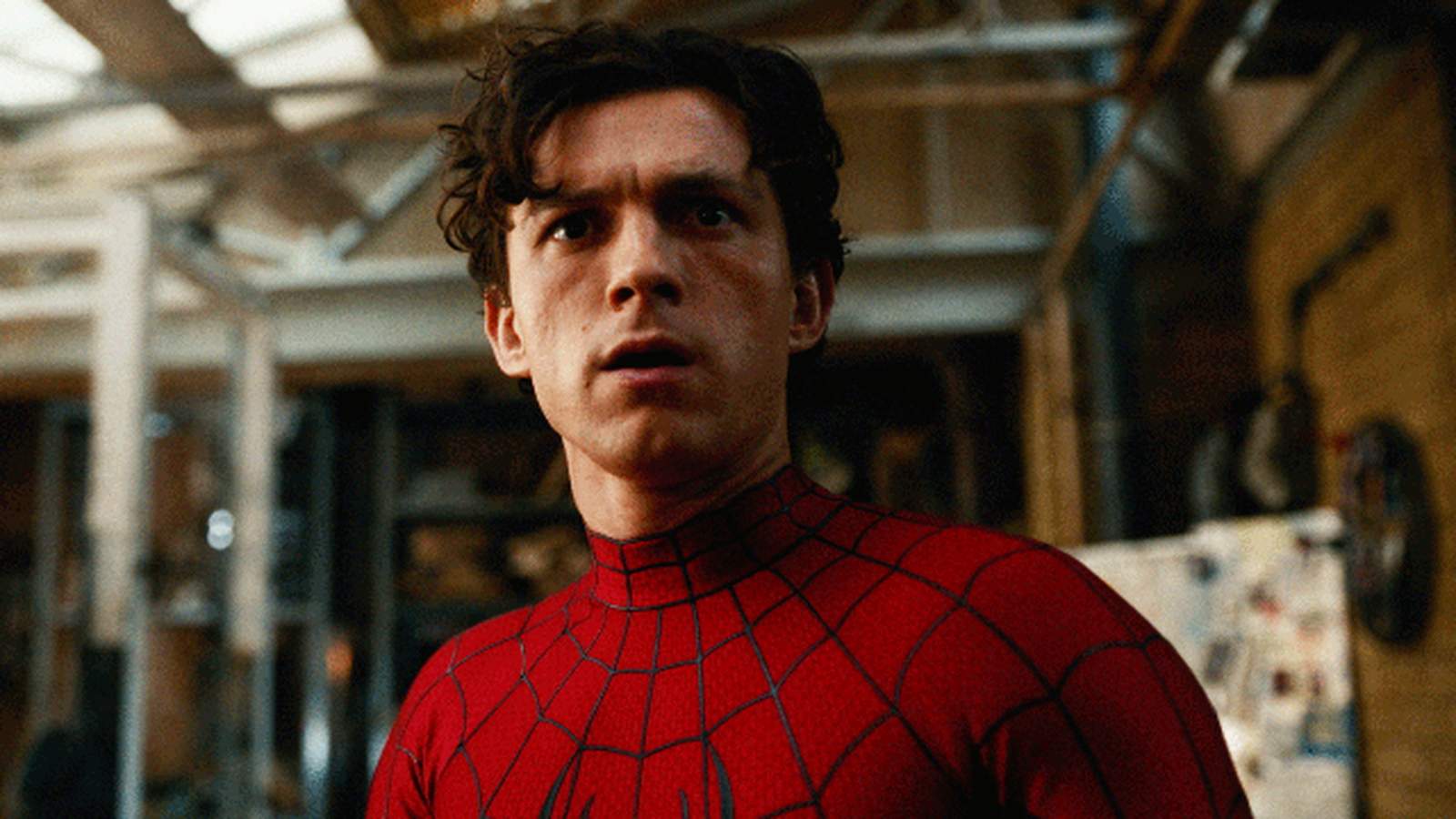
A New Chapter for Peter Parker
As the cinematic world turns its attention to Spider-Man: Brand New Day, arriving in theaters on July 29, the Marvel Cinematic Universe (MCU) prepares for a significant tonal shift. Directed by Destin Daniel Cretton, the film marks a return to the character’s street-level roots, five years after the reality-altering events of Spider-Man: No Way Home. Peter Parker, now older and isolated from his past support systems, faces a New York that no longer recognizes him.
Official reports from studio sources indicate that the film will focus on Peter’s isolation as he navigates life without his former Avengers connections or personal ties. While the narrative promises a return to the “friendly neighborhood” archetype, the stakes are elevated by a mysterious biological evolution affecting Peter. Trailers have showcased distorted senses and organic webbing, hinting at a destabilizing transformation that threatens his existence.
The Comic Origins of the MCU’s Mystery
To understand the potential trajectory of Brand New Day, industry analysts and fans are looking toward key Marvel Comics arcs that appear to have influenced Cretton’s approach. The title itself shares a name with the 2008 storyline (The Amazing Spider-Man #546-564), which saw Peter Parker grapple with a world that had forgotten his identity. This era emphasized classic gang-level threats, a thematic direction that aligns with the MCU’s current narrative reset.
The film’s more visceral elements, specifically Peter’s physical changes, draw parallels to the 2005 arc The Other. This story explored a literal and spiritual rebirth for Parker, granting him heightened abilities but also forcing him to confront his inner nature. Furthermore, the potential introduction of the “Man-Spider” concept—a humanoid spider evolution first seen in Marvel Fanfare #2—has gained traction among fans as a possible explanation for the “spider-puberty” hinted at in promotional materials.
Alliances and Antagonists
The film’s cast list adds further layers of complexity. Jon Bernthal reprises his role as Frank Castle, the Punisher, creating an ideological collision with Spider-Man that mirrors the tension in The Amazing Spider-Man #129. Their dynamic is expected to be a central pillar of the film’s conflict. Additionally, the inclusion of The Hand, as seen in Frank Miller’s classic Daredevil #174, suggests a return to the darker, more mystical corners of the Marvel underworld.
Perhaps the most speculated element remains the role of Sadie Sink. While official details are tightly guarded, fan theories suggest she may portray a telepathic character—possibly Jean Grey, given the presence of anti-mutant antagonist William ‘Bill’ Metzger (played by Tramell Tillman). A recently released clip of Sink has fueled intense debate, with some viewers noting her lack of mouth movement, suggesting the use of telepathy rather than spoken dialogue.
The Stakes of the Transformation
Whether the film’s “Brand New Day” moniker refers to a fresh start for the franchise or a permanent alteration of Peter Parker’s biology, the implications are clear: the MCU is moving away from the large-scale cosmic threats of the past decade. By focusing on local crime, individual struggle, and internal physiological crises, Cretton appears to be grounding the Spider-Man franchise in a new, more intimate reality.