
Quick Read
- Emiru publicly accused Mizkif of sexual assault, psychological abuse, stalking, and blackmail threats.
- Mizkif admitted to aggressive behavior but claimed emotional volatility was mutual.
- Community backlash has led to calls for Mizkif’s ban and increased support for Emiru.
- Emiru intends to pursue legal action, including restraining orders.
- The controversy has reignited debates about safety and accountability in streaming.
Emiru’s Allegations Spark a Firestorm in the Twitch Community
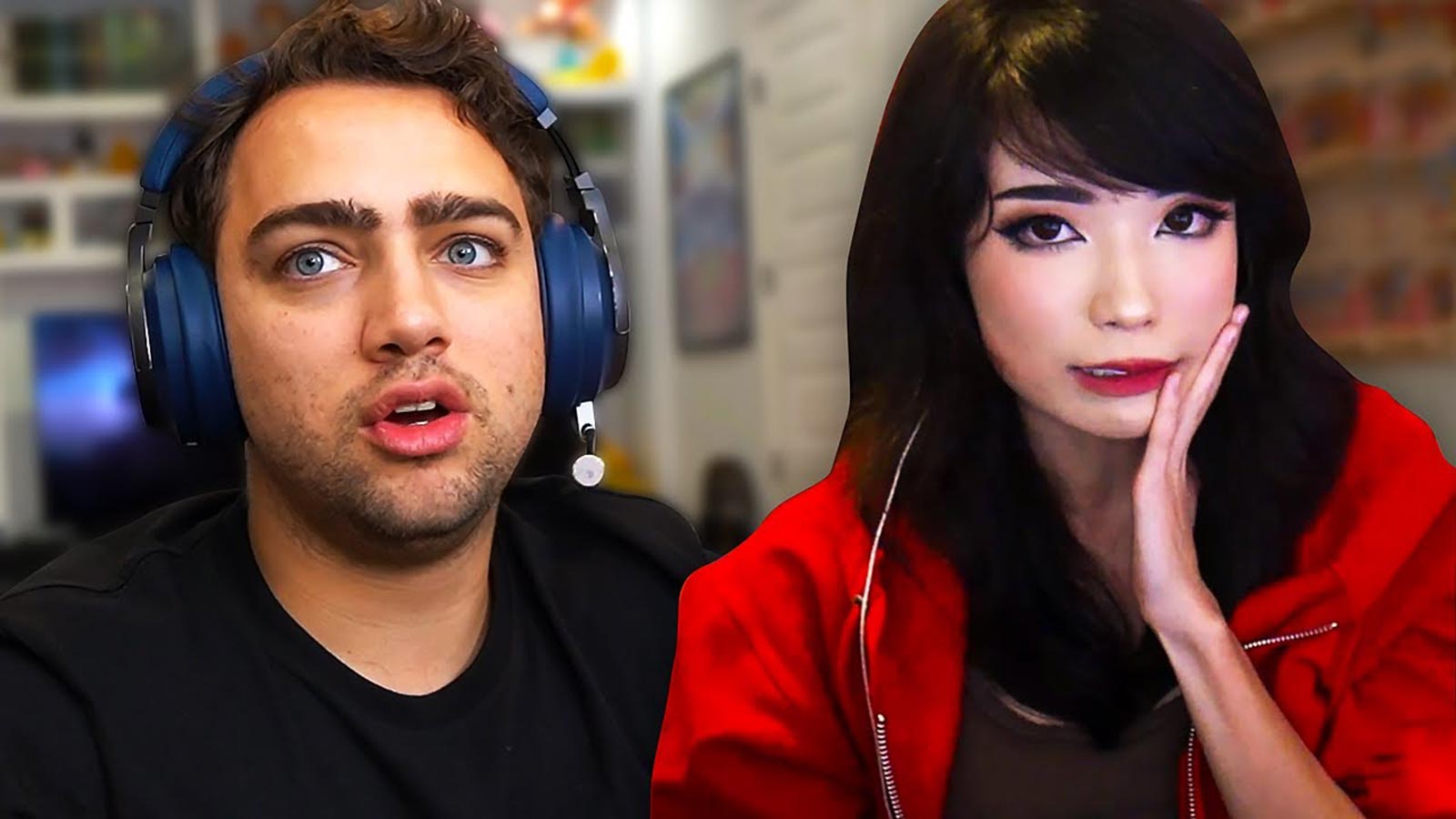
On October 25, 2025, Twitch streamer Emiru (Emily-Beth Schunk) went live with a message that would shake the streaming world. For months, she had remained silent, but that night she described a pattern of alleged sexual assault, psychological abuse, stalking, harassment, and threats of blackmail by her former partner and fellow streamer Mizkif (Matthew Rinaudo). Her claims were specific and distressing. Emiru recounted an incident where Mizkif, allegedly under the guise of comfort, became physically aggressive, saying, “He tried to climb on top of me and aggressively shoved his hand down my pants, and I screamed.”
Emiru also shared that the intimidation extended beyond her, reaching her inner circle—friends, coworkers, even employees. She claimed Mizkif threatened to destroy her if she spoke publicly, and told her employee at TwitchCon that he would ruin her reputation. Emiru explained that Mizkif’s tactics included indirect threats and plans to accuse her of animal abuse, stating, “His plan was to claim that I kill animals and that I killed my own rabbits.” According to Tribune, she consulted a lawyer and intends to file restraining orders in both California and Texas.
Mizkif’s Response: Admission, Deflection, and Community Backlash
In the wake of Emiru’s livestream, Mizkif responded on Twitch. Visibly emotional, he acknowledged some aggressive behavior during their relationship but asserted that the volatility was mutual. “Emiru hung out with me all day; she too started to become high-strung. We would yell at each other, fight, and argue all the time,” he said. He admitted to punching holes in walls, slamming doors, and once threatening self-harm during an argument. Mizkif claimed Emiru also made similar threats, and at times, was physically violent, throwing clothes and plush toys at him.
Mizkif further accused Emiru of neglecting her pets—rabbits left without food or water in extreme heat—claims that many online saw as attempts to deflect and shift the narrative. He confessed to feeling jealous of Emiru’s rising Twitch popularity, admitting his obsession with viewer numbers soured his perspective and relationships: “It was disgusting, and it ruined my life.” This candidness, however, did little to quell criticism; many interpreted his remarks as efforts to rationalize or minimize the gravity of Emiru’s allegations.
Broken Trust and the Letter: Marriage, Children, and Emotional Fallout
Beyond the accusations and defensive confessions, both Emiru and Mizkif described the profound emotional toll of their relationship. According to Mizkif, Emiru once wrote him a letter expressing her hopes for their future—marriage and children within five years. “She wrote that she wants me to marry her, and she wants kids with me,” he said. But Mizkif insisted he wasn’t ready for such a step, stating their relationship was “beyond the point of toxicity.”
Their shared history included living together in Austin, Texas, as part of the OTK streaming community. What began as a promising partnership devolved into mutual distrust, emotional volatility, and public spectacle. Mizkif described the trust as “completely dead,” with their arguments escalating in intensity and frequency. The breakdown was so severe that Emiru’s final plea, “Don’t go. I love you,” was, for him, a moment that underscored the impossibility of reconciliation.
Threats, Dirty Laundry, and the Streaming Community’s Response
As the controversy grew, Mizkif’s reaction became increasingly erratic. He threatened to expose private information from other streamers, declaring on stream, “I have hundreds of messages from people, things that people do not want to get released… I will be releasing them as time goes on, because who cares?” This threat to air the “dirty laundry” of his peers was widely condemned, with many accusing him of intimidation and deflection.
The online backlash was swift. The streaming community rallied behind Emiru, expressing support and demanding accountability from platforms like Twitch. According to poprant.indiatimes.com, calls for Mizkif’s ban intensified, with many viewers and fellow creators condemning his behavior and the handling of the allegations.
TwitchCon Incident and Platform Accountability
Emiru’s allegations followed a separate traumatic event—a reported assault by a stranger at TwitchCon 2025. In the aftermath, Twitch CEO Dan Clancy publicly admitted failures in event security and pledged to improve safety protocols for streamers. The timing of these incidents added urgency to the calls for better protection and accountability within the streaming industry.
For Emiru, the decision to go public was not easy. She cited ongoing fear and pressure to remain silent, but felt compelled to speak after hearing of new alleged incidents involving Mizkif. Her statement: “Today I’m finally going to be opening up about the psychological and domestic abuse, stalking and harassment, sexual assault, and threats of blackmail that Mizkif has done towards me and some of these issues which are still ongoing.”
The Broader Implications: Influence, Power, and the Future of Streaming
This case has sparked wider conversations about power dynamics in online communities, the responsibility of platforms, and the vulnerability of creators. When personal relationships unravel in public, the fallout is magnified—not just for those directly involved, but for the entire ecosystem. The mutual accusations of violence, manipulation, and emotional abuse underscore how influence can be weaponized, making accountability and transparency essential.
As legal proceedings loom and community pressure mounts, the industry faces a reckoning. Streamers are demanding safer environments, clearer policies, and real consequences for misconduct. The outcome of the Mizkif and Emiru controversy may well set the tone for how streaming platforms handle similar situations in the future.
In the end, the saga between Mizkif and Emiru is a stark reminder of the human costs behind digital fame. Their story exposes the fractures in trust, the dangers of unchecked influence, and the urgent need for platforms to prioritize safety and accountability over spectacle.