


Diplomatic Focus on Global Stability
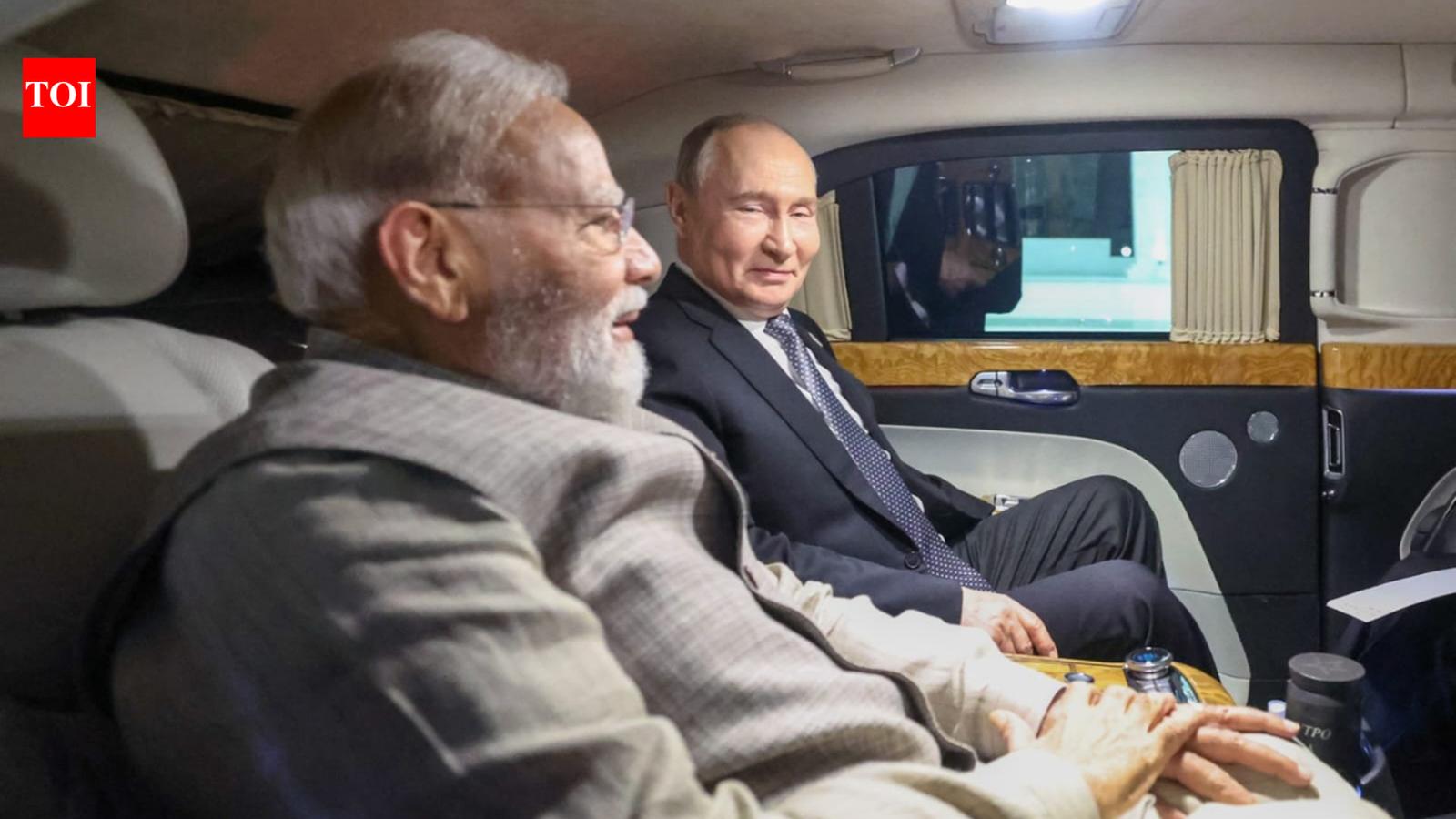
Prime Minister Narendra Modi utilized the 26th Shanghai Cooperation Organisation (SCO) summit in Bishkek on Monday to deliver a pointed message regarding global conflicts, urging a transition from an era of “endless wars” to a definitive “end of war.” During high-level bilateral talks with Russian President Vladimir Putin, the Indian Prime Minister reiterated India’s commitment to supporting peace efforts aimed at resolving the conflict in Ukraine.
The meeting, marked by a public display of diplomatic warmth, underscored the enduring nature of the India-Russia special and privileged partnership. President Putin expressed gratitude for Modi’s personal attention to the relationship, acknowledging that the ties continue to scale new heights despite the complex geopolitical backdrop. The leaders’ dialogue focused on bilateral cooperation, national interests, and the maintenance of momentum in their strategic engagement.
Strategic Realignment and Energy Ties
The Bishkek summit occurs at a time of heightened global volatility. The ongoing war in Ukraine, now in its fifth year, and the broader instability in West Asia have disrupted energy markets and placed significant pressure on India’s foreign policy. Energy security has emerged as a central pillar of the India-Russia relationship; following the 2022 invasion of Ukraine, India increased its intake of discounted Russian crude, a move that has drawn scrutiny from Western powers, including the United States.
Experts note that India is navigating an “America plus” strategy, balancing its long-standing ties with Moscow against deepening cooperation with Washington, France, and Israel. While India remains one of Russia’s largest arms buyers, reliance on Russian military hardware is declining. New Delhi is increasingly pivoting toward indigenous production and diversifying its defense procurement to mitigate risks associated with Russia’s reduced production capacity and delivery delays.
Regional Engagement with Armenia
Beyond the Russia-India dynamic, Prime Minister Modi held a significant bilateral meeting with Armenian Prime Minister Nikol Pashinyan. Their discussion, the first since Pashinyan’s re-election in June, focused on broadening cooperation in defense, space, IT, pharmaceuticals, and education. The leaders also exchanged views on regional security, specifically the situation in West Asia and the status of the Armenia-Azerbaijan peace process. This engagement marks a deepening of the strategic partnership between New Delhi and Yerevan, reflecting India’s broader effort to expand its influence in the Eurasian space.
Looking Ahead
The diplomatic calendar remains packed. Prime Minister Modi extended a formal invitation to President Putin for the upcoming BRICS Summit in New Delhi this September, an event expected to further solidify institutional cooperation. Meanwhile, the Bishkek summit continues with the 6th World Nomad Games, where international participants are celebrating nomadic heritage, providing a cultural counterpoint to the intense geopolitical negotiations taking place on the sidelines.