


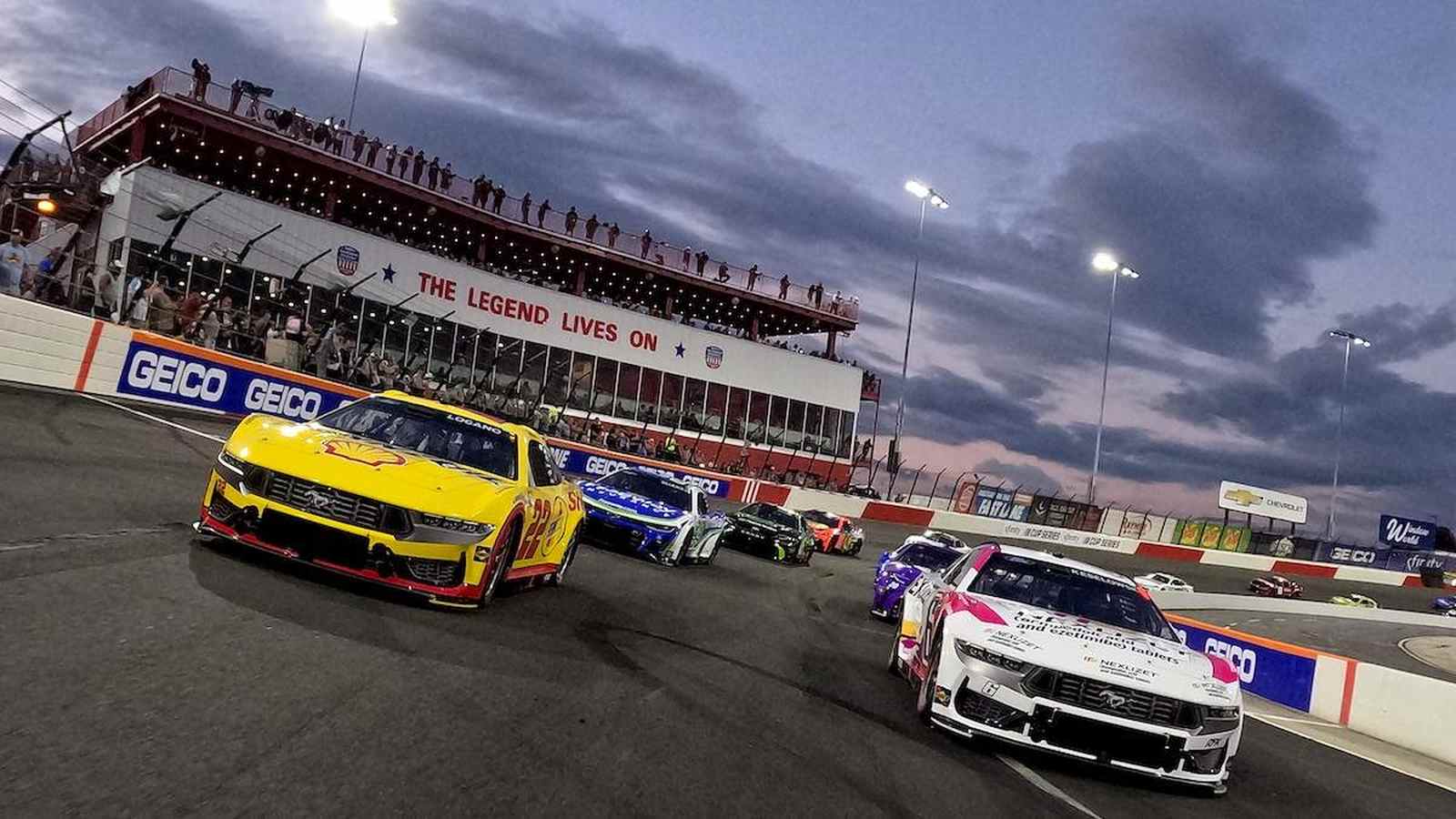
Strategic Overhaul for 2027
On November 20, 2026, NASCAR officially released its stage length configurations for the upcoming 2027 Cup Series season. This comprehensive announcement, which follows extensive internal reviews regarding race flow, competitive strategy, and fuel mileage data, introduces significant adjustments across the entire schedule. The primary objective of these changes is to dictate race-day intensity and mitigate fuel-saving maneuvers that have periodically hampered the action at specific tracks. By reconfiguring segment lengths, the sanctioning body aims to incentivize aggressive driving throughout the race duration rather than calculated conservation.
According to the official list posted by Heavy, a key feature of the new schedule is the implementation of the longest single stage in Cup Series history at Bristol Motor Speedway, which will feature a 250-lap segment. This shift, alongside restructured formats at high-speed tracks like Talladega, underscores a deliberate move by NASCAR leadership to prioritize on-track engagement. The 2027 adjustments represent a strategic shift by NASCAR to dictate race-day intensity and mitigate fuel-saving maneuvers, specifically by flipping segment lengths at tracks like Talladega and extending stage durations at short tracks like Bristol and Martinsville.
Targeting Fuel Strategy at Talladega
The most notable structural departure occurs at Talladega Superspeedway. In previous seasons, the stage format often encouraged drivers to save fuel early to survive to the final segment, leading to pack racing that was sometimes characterized by extreme caution. NASCAR Executive Vice President John Probst noted in comments reported by Racing News that the sanctioning body intends to “flip” the traditional approach. By placing the longest segment first and shortening the final two segments to 45 laps each, NASCAR aims to ensure the race concludes without the necessity for fuel-saving plays, thereby increasing the likelihood of high-intensity, flat-out racing in the closing laps.
The decision to adjust these lengths follows a 2026 season where stage points were critical to championship outcomes. Ryan Blaney, who led the field with 314 stage points, and champion Kyle Larson, who secured 302, demonstrated that consistent performance in early segments is a primary component of title contention. By lengthening the opening stages at tracks like Bristol (125 laps) and Martinsville (130 laps), NASCAR provides faster cars with a larger window to overcome poor qualifying positions and secure valuable points. This ensures that the championship battle remains a test of sustained speed rather than just late-race luck.
Context of the Next Gen Era
Since the introduction of stage racing in 2017, the format has remained a cornerstone of the NASCAR Cup Series. Designed to create meaningful moments of competition before the final checkered flag, the stages also provide television networks with guaranteed windows for commercial breaks and allow for field resets that bunch the pack. Despite periodic fan feedback regarding the impact of these breaks on race flow, NASCAR leadership has consistently maintained that the format is permanent. The 2027 adjustments are part of a broader push to refine the Next Gen car’s performance.
As reported by Sportsnaut, NASCAR is also implementing significant horsepower increases, starting with the Coca-Cola 600 at Charlotte in May 2027. The increase from 670 to 750 horsepower on intermediate tracks—and up to 800 for the All-Star Race at North Wilkesboro—represents a response to long-standing industry and fan requests for more power in the Cup Series. While engine performance is a separate variable from stage lengths, the combination of these updates signals an aggressive effort by the sanctioning body to enhance the overall quality of the racing product as the 2027 season approaches.
Operational Flexibility and Future Outlook
NASCAR officials, including Cup Series senior managing director Brad Moran, confirmed in October 2026 that the 2027 stage review would incorporate fuel mileage data and track-specific characteristics. While the current list provides a roadmap for the season, NASCAR retains the authority to adjust these segments in-season should competitive conditions warrant further intervention, just as they have done in previous years. This flexibility is essential for maintaining the competitive balance of the sport as teams adapt to the new horsepower packages and revised technical rules.
Furthermore, the 2027 rules package introduces several other critical refinements, such as the elimination of splitter stuffers at short tracks and road courses, and the removal of minimum damper-length restrictions to provide teams with more setup options. These changes, coupled with the revised stage lengths, suggest that NASCAR is moving toward a more versatile racing environment. The goal is to ensure that the sport remains dynamic and unpredictable, rewarding drivers who can adapt quickly to changing conditions. As teams prepare for the season opener, the focus will undoubtedly be on how these stage lengths interact with the increased power profiles, potentially setting the stage for one of the most competitive seasons in the Next Gen era.
The commitment to these changes, despite the risks associated with altering established formats, highlights the sanctioning body’s willingness to listen to stakeholders and address long-standing complaints about the Next Gen car. Whether these adjustments to stage lengths and engine power will result in the desired increase in on-track intensity remains to be seen, but the intent is clear: NASCAR is determined to evolve its racing product to better serve the interests of fans and competitors alike.