


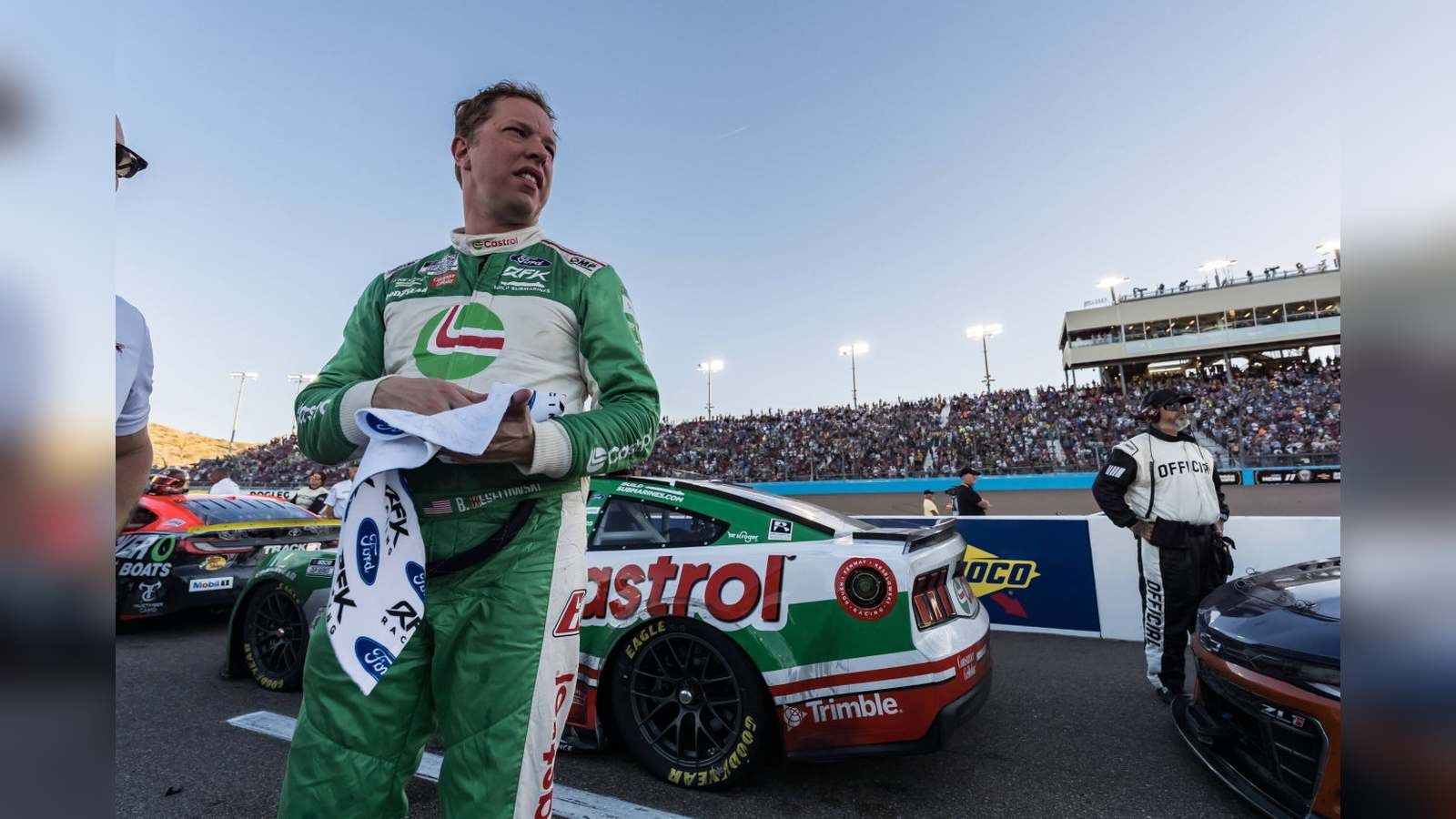
Online Backlash Follows Keselowski’s Support for Format Change
NASCAR driver Brad Keselowski faced a wave of criticism on social media after publicly backing a proposed rule change that would bring exhibition-style qualifying pit stops into regular points-paying races. The debate unfolded in mid-November 2026, following discussions on SiriusXM NASCAR Radio where NASCAR executive John Probst outlined a concept to test All-Star-style qualifying sessions at select events.
The proposal would integrate a mandatory four-tire pit stop directly into time-trial sessions to determine starting grids. Keselowski, a 2012 Cup Series champion who successfully navigated a similar format during the 2025 All-Star Race at North Wilkesboro, voiced clear approval on X in response to media figures discussing the shift. His stance quickly drew sharp pushback from fans who argued that pit stops belong in exhibition events rather than regular championship rounds.
The Core Debate Over Show vs. Pure Speed
Traditionally, pole positions in standard Cup Series races are decided by single or multi-lap speed tests without team pit crew interventions. Introducing a pit stop into qualifying elevates the role of the pit crew during starting grid determinations, a shift that divides the garage and the fan base.
Writing in an EssentiallySports report published on November 19, 2026, reporters detailed how Keselowski defended his position against detractors who labeled the concept an unnecessary gimmick. While supporters argue that adding pit stops introduces an extra layer of athletic skill and team strategy, critics contend it dilutes the core test of a driver’s raw speed.
Historical Parallels and Unresolved Details
The controversy echoes previous division surrounding major structural updates in NASCAR, such as the introduction of stage racing in 2017, which former driver Dale Earnhardt Jr. also publicly supported despite facing similar fan skepticism. In both cases, veteran drivers argued for constructive engagement with rulemakers rather than standing on the sidelines.
As of November 2026, NASCAR has not named specific tracks for the proposed format, nor have official procedural rules or penalty guidelines been finalized. The future of the concept depends on upcoming regulatory decisions by league officials, leaving both supporters and skeptics waiting for concrete implementation details ahead of the 2027 season.
Analyzing Driver Backing Versus Fan Opposition in NASCAR Qualifying
The friction between veteran competitors and the wider spectator base highlights a recurring tension within contemporary stock car racing governance. When rulemakers introduce modifications designed to enhance the entertainment value of preliminary events, the adjustments frequently challenge long-standing traditions regarding how starting orders are established.
For drivers like Brad Keselowski, familiarity with formats that incorporate technical team challenges during time trials informs a perspective distinct from observers who evaluate the sport strictly from the grandstands or digital platforms. Having executed high-stakes pit stop routines under competitive pressure during exhibition showcases, experienced racers often view these structural experiments as natural evolutions of athletic teamwork rather than mere entertainment ploys.
Conversely, supporters of traditional qualifying formats emphasize that time trials have historically served as a pure measurement of mechanical capability and driver precision. Introducing mandatory service stops injects variables—such as equipment reliability and crew execution speed—that alter the baseline metric of raw speed. This fundamental divergence in philosophy explains why social media engagement frequently turns contentious whenever regulatory adjustments are floated for points-paying competitions.
Furthermore, the broader garage context surrounding Keselowski during this period adds layers of complexity to public reactions. As the 2012 Cup Series champion navigates a transition away from RFK Racing, his commentary carries authority as both an active driver and an experienced team stakeholder. The dual perspective allows him to appreciate the logistical realities of executing complex qualifying formats under tight championship schedules, even while vocal segments of the fan base express frustration over ongoing changes to the racing product.
Ultimately, the discussion surrounding All-Star-style qualifying sessions demonstrates the delicate balance league administrators must maintain. As sanctioning bodies weigh structural modifications for upcoming seasons, the dialogue between experienced competitors who embrace tactical innovation and traditionalists who demand purity in speed testing will remain a central storyline in the ongoing evolution of the sport.