


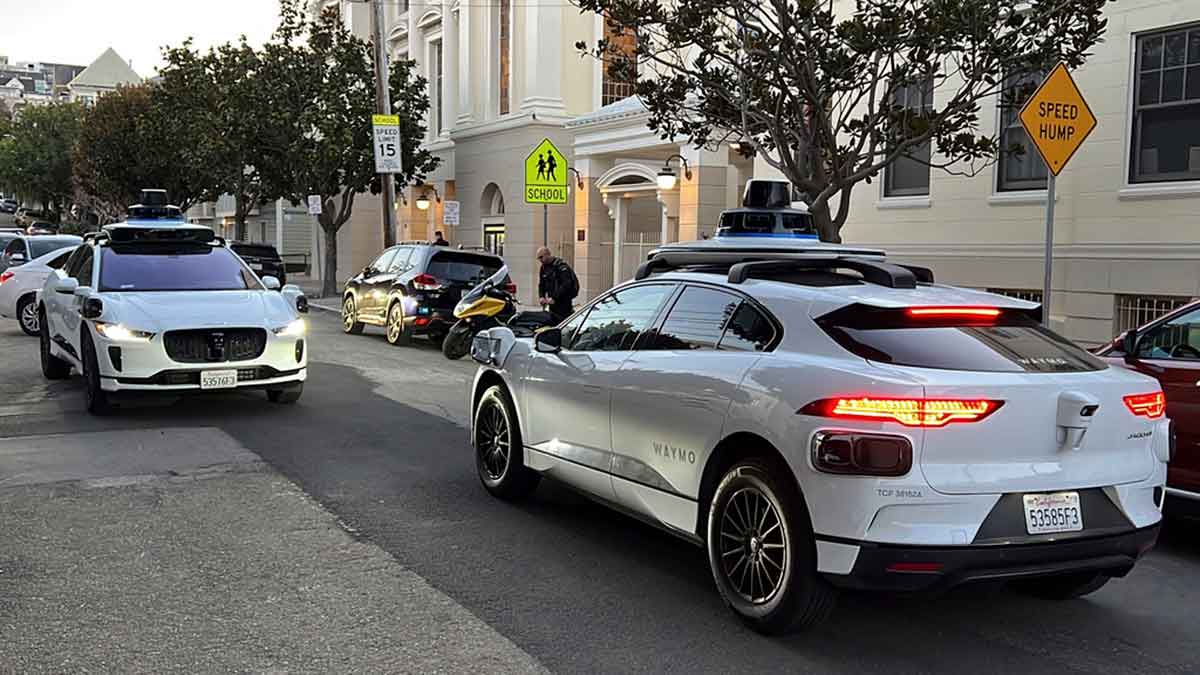
Defining Liability in an Autonomous Era
The introduction of Waymo’s self-driving technology into Nashville’s traffic flow presents a fundamental shift in how insurance adjusters and attorneys evaluate collisions. Historically, personal injury claims relied heavily on proving negligence by a human driver. With AVs, the focus is expected to pivot toward manufacturers, software developers, and sensor maintenance. Legal experts caution that while AVs are designed to operate with high precision, the ambiguity surrounding software decision-making in split-second scenarios could lead to prolonged litigation as courts attempt to determine whether an accident resulted from a hardware malfunction, a software glitch, or an unavoidable environmental factor.
The Stakes for Insurance and Recourse
The transition to autonomous transit complicates the economic incentives that have defined personal injury law. In a market where insurance policies for commercial fleets often reach millions of dollars, the legal sector is bracing for a shift in how claims are handled. Industry analysts note that as software takes the place of the driver, the potential for high-stakes litigation against technology firms may increase. This evolution poses a challenge for plaintiffs seeking immediate recourse, as the investigation phase for AV accidents is inherently more technical and time-consuming than traditional accident reconstruction.
Adapting to the Nashville Legal Landscape
Nashville’s legal community is currently in a state of rapid adaptation. Attorneys are now required to integrate a deeper understanding of artificial intelligence and robotics into their practice to effectively represent clients. The challenge lies in navigating a system built on human accountability while addressing the reality of machine-controlled vehicles. As more AVs hit the road, the necessity for specialized legal knowledge regarding algorithmic transparency and product liability will likely become a cornerstone of the personal injury sector in Tennessee and beyond.
The shift toward autonomous vehicle adoption represents a structural move away from the human-centric negligence models of the past, signaling that the future of personal injury law will be determined as much by software forensics and corporate liability agreements as by traditional accident reconstruction.