


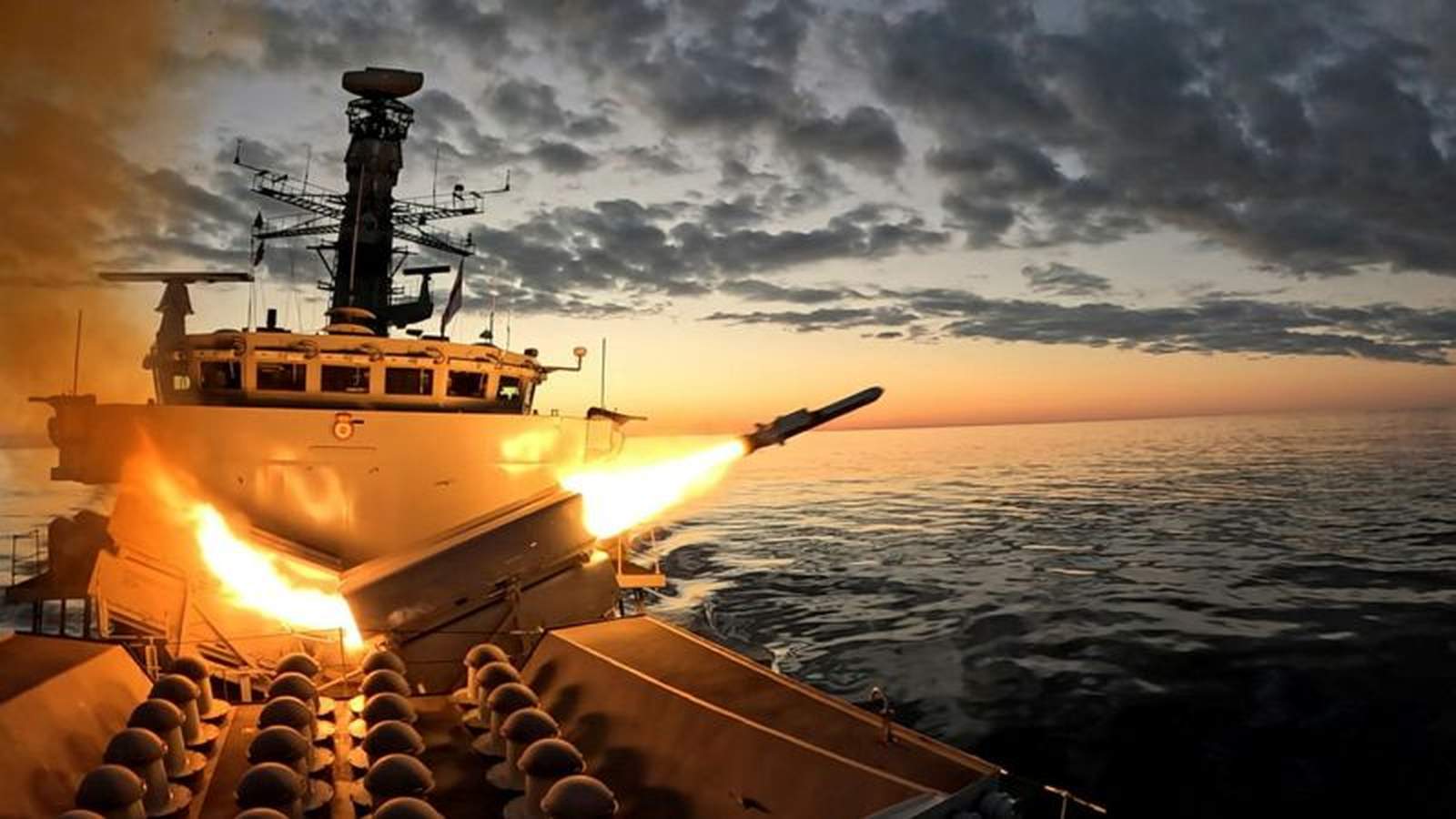
The simultaneous military demonstrations highlight a rapid shift toward integrating heavy ordnance on smaller, flexible naval platforms. In Scottish waters, the Royal Navy’s experimental unmanned underwater vehicle (UUV), XV Excalibur, successfully launched a U.S. Navy Mark 48 heavy torpedo. The test proved that British autonomous vessels can wield the same heavy payload traditionally reserved for large, crewed submarines.
Undersea Drone Capability And Allied Interoperability
Measuring nearly 40 feet long and six feet wide, the XV Excalibur is far smaller than conventional nuclear-powered attack submarines like the U.S. Virginia-class, which exceed 300 feet. Despite its compact size, the UUV successfully fired the 650-pound warhead-equipped Mark 48 torpedo, a weapon renowned for destroying surface vessels by generating a massive underwater pressure bubble that snaps a ship’s keel.
U.S. Navy Adm. Daryl Caudle, chief of naval operations, said in a statement reported by Forbes that the successful test marks a historic first for allied undersea warfare, validating a shared vision for interchangeability between U.S. and British forces. Following this milestone, the U.S. Navy plans to evaluate Anduril’s Dive XL extra-large UUV in tactical scenarios under a program known as Project Cutlass.
Live-Fire Missile Tests In The Atlantic
Concurrently, during Exercise Atlantic Thunder off the northwest coast of Scotland, the Royal Navy tested its newest anti-ship capabilities against the decommissioned ex-U.S. Navy frigate USS Klakring, as detailed by Forces News. The Type 23 frigate HMS Portland launched a near-supersonic Naval Strike Missile (NSM), which skimmed the sea to strike the target over 100 miles away.
In addition, a Wildcat helicopter from 815 Naval Air Squadron fired Sea Venom missiles at the target ship. Lieutenant Commander Louise Kirkaldy, HMS Portland’s Principal Warfare Officer, noted that the successful firing marks a significant milestone for the Royal Navy in delivering credible, modern maritime strike power.
Strategic Outlook And Next Steps
The integration of the 400kg NSM and autonomous heavy torpedoes strengthens NATO interoperability and UK combat readiness. The Royal Navy intends to field the NSM as a complementary weapon ahead of the Future Cruise Anti-Ship Weapon deployment on next-generation Type 26 and Type 31 frigates equipped with Mk41 vertical launch systems.