


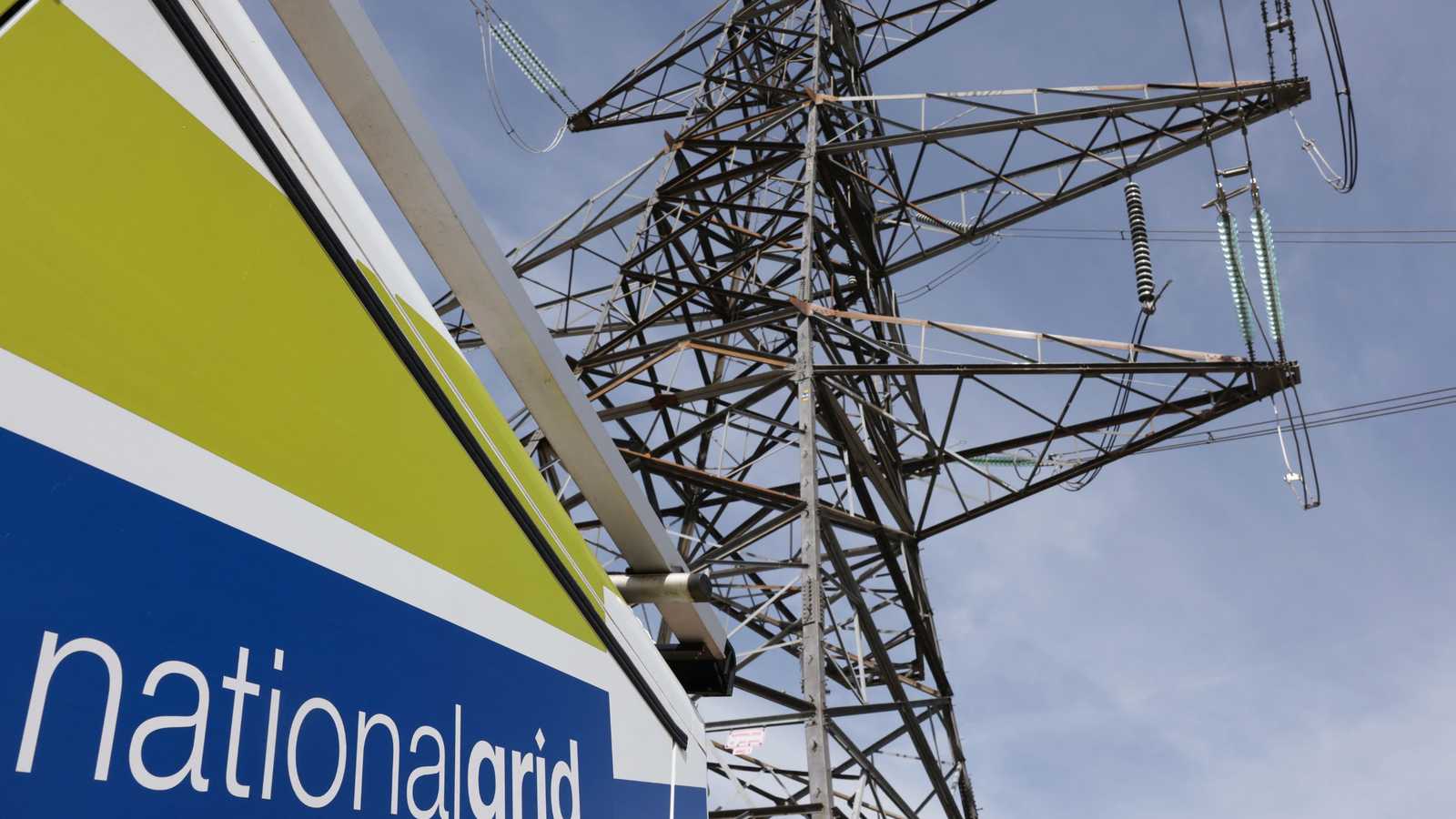
The Yorkshire Milestone: A Physical Reality Check
On July 28, 2026, National Grid confirmed the completion of a major phase in its Yorkshire GREEN project, installing 28 permanent pylons and 35 kilometers of overhead lines. This milestone, achieved 18 months after construction began, highlights the physical scale of the company’s £70 billion (approx. $93.1 billion) five-year investment program. However, as the steel rises in Yorkshire, the company faces mounting financial pressure from a net debt load that reached £44.2 billion (approx. $58.8 billion) as of March 2026.
While management highlights record capital investment of £11.6 billion, the underlying financial reality is tightening. Debt increased by nearly £3 billion in the last fiscal year, even after accounting for £2.8 billion in asset sales. With plans to increase capital spending to £13 billion in the 2026/27 period, the company expects net debt to grow by another £6 billion, placing significant focus on the regulatory mechanisms designed to protect investor returns.
The RIIO-T3 Regulatory Framework
National Grid’s financial strategy relies heavily on the RIIO-T3 (Revenues = Incentives + Innovation + Outputs) framework, which dictates the allowed revenue the company can collect through 2031. Under this mechanism, the company’s Regulatory Asset Value (RAV) grows as it invests, theoretically driving an 8–10% compound annual growth rate in earnings per share. However, this model assumes that costs remain within Ofgem’s baseline projections.
The risk is that Ofgem’s assumptions were formed before the recent surge in global equipment costs. Transformer prices have risen more than 70% since 2019, and lead times for critical 400 kV equipment now stretch to four years. Recent Ofgem reports on similar projects by SSE in Scotland revealed average cost overruns of 283.5%, with some projects exceeding initial estimates by nearly 467%. If National Grid faces similar inflationary pressures, it must seek approval for additional funding; if Ofgem rejects these requests, the company must absorb the losses, directly impacting its credit metrics.
Engineering the Future: The HVDC Shift
The investment case is heavily tied to High Voltage Direct Current (HVDC) technology, which is essential for transporting offshore wind energy from Scotland to load centers in England. Projects like the Eastern Green Link 2 (EGL2) represent the structural backbone of the UK’s 2030 clean power targets. While these projects are technically necessary, they are also highly complex. Any delay in the HVDC corridor construction could undermine both the regulatory asset growth that supports the dividend and the broader national energy policy.
Market Outlook and Dividend Sustainability
Investors currently receive a dividend yield of approximately 3.74%, funded during a period of zero free cash flow after capital expenditure. While management maintains a progressive dividend policy, sustainability depends on maintaining credit metrics above a 10% funds-from-operations-to-net-debt threshold. With the current buffer at 300 basis points and expected to narrow, the market remains divided. Analysts’ ratings are mixed, with Deutsche Bank downgrading to ‘Hold’ in June 2026, citing stretched valuations, while others maintain ‘Buy’ positions based on the long-term necessity of the infrastructure.